Education
Cologne, explained
The questions that come before a purchase — what the concentration labels mean, how to apply a scent so it lasts, and the differences worth understanding — answered directly.
Before “which cologne” comes a pile of small confusions that the industry is weirdly happy to leave unresolved: what “eau de toilette” actually means, why one bottle vanishes by lunch while another is still going at midnight, and how many sprays is too many. This hub clears them up in plain English, and every guide leads with a direct answer in the first two sentences — the definition or the yes/no you came for — before it explains the reasoning, because burying the answer under history is exactly the competitor habit we exist to fix. The single most useful thing to understand is concentration. “Cologne,” “eau de toilette,” “eau de parfum” and “parfum” are not different products so much as different strengths of the same idea: the higher the concentration of fragrance oil, the stronger and longer-lasting the scent, and the more you generally pay per bottle. Knowing that one fact tells you why the EDP version of a scent outlasts its EDT sibling, why a splash-on “cologne” is the lightest and most fleeting of the family, and why “which lasts longer” almost always comes down to concentration first and the specific notes second. The other guides here handle the mechanics: where to spray so a scent projects without fading in an hour, what actually makes a fragrance last (skin type and moisturizing matter more than people think), and how the terms you see on a box map to what you will smell. These pages are also the connective tissue of the whole site — each one links out to the roundups and reviews it supports, so understanding a concept and finding the right bottle are never more than a click apart. Read whichever one answers your question; if you are starting from zero, the concentrations guide is the foundation everything else builds on.
We earn a commission when you buy through our Amazon links, at no extra cost to you. It never changes a verdict, and we say so when the cheaper product is the better buy. How this works.
Everything in this hub
All guides
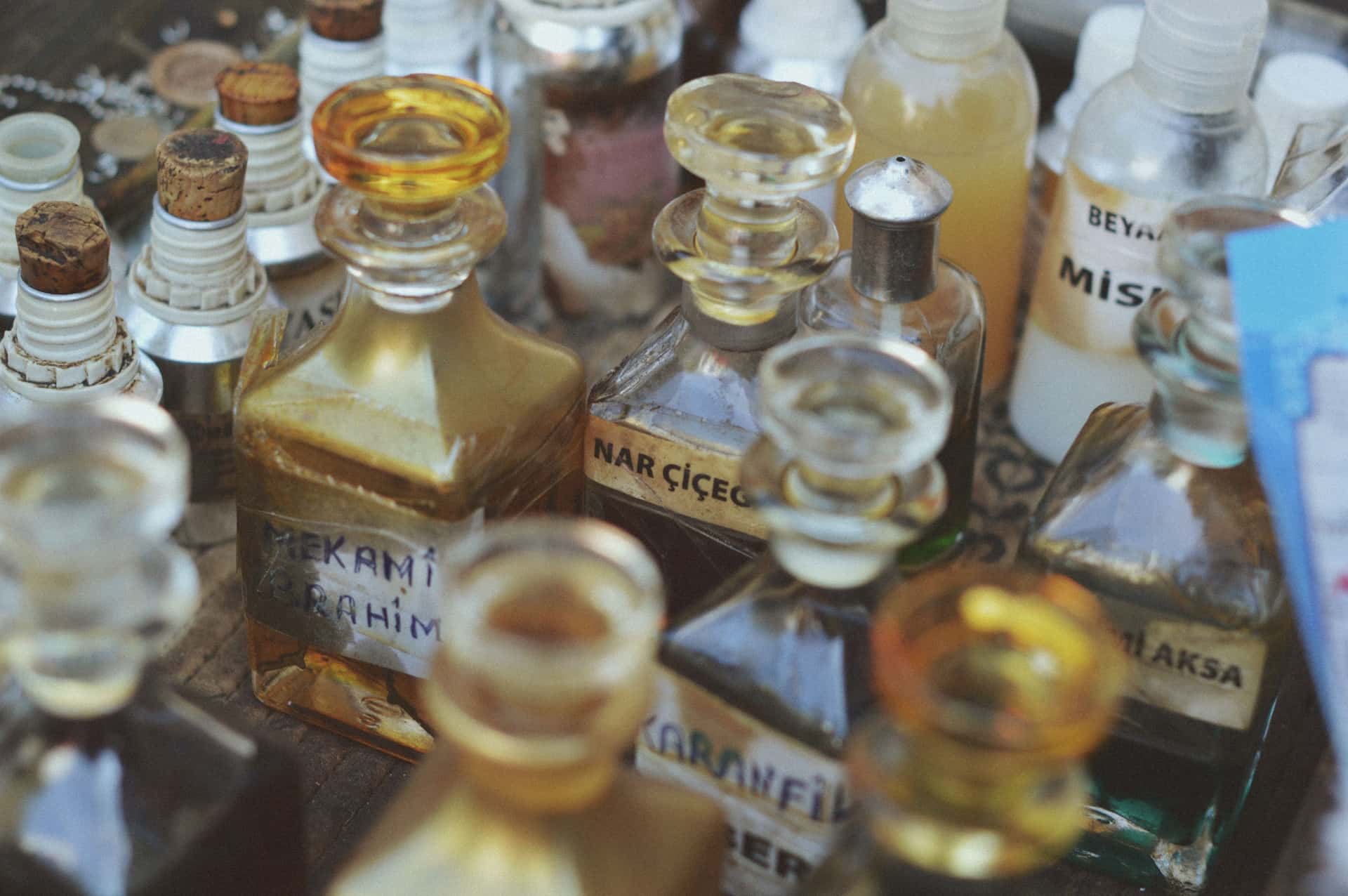
Buyer's guide
Parfum vs EDP vs EDT vs cologne: fragrance concentrations explained
Parfum vs EDP vs EDT vs cologne, explained with a clear concentration table. Learn what the labels mean and which strength to buy.
Read the guide →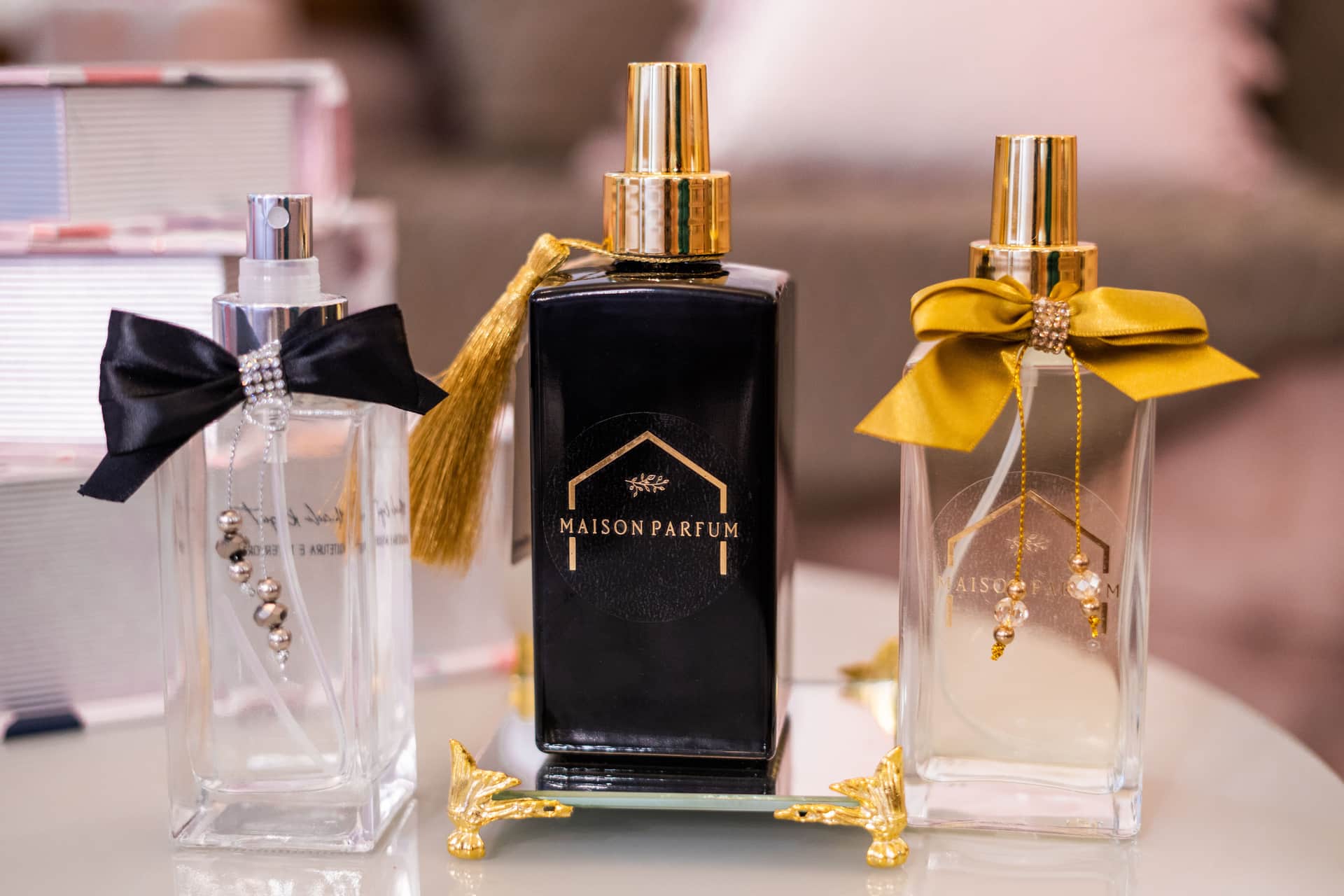
Explainer
Cologne vs perfume: what's the actual difference?
Cologne and perfume are the same category at different strengths — plus a marketing convention. Here's the real difference and whether one is stronger.
Read the guide →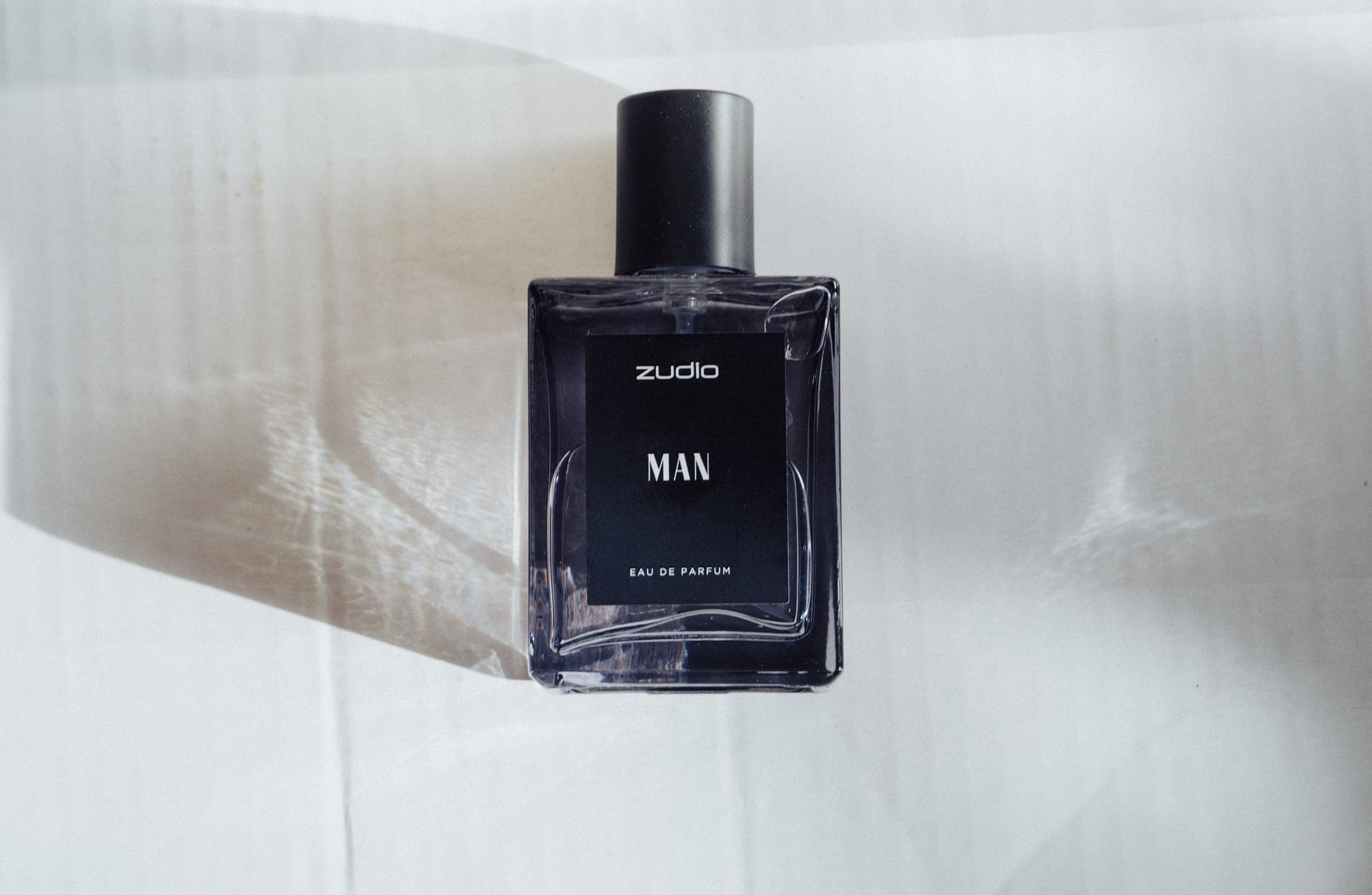
Buyer's guide
How to apply cologne (the right way)
Two to four sprays, pulse points, no rubbing. The right way to apply cologne, how many sprays for EDT vs EDP, and the mistakes to skip.
Read the guide →
Buyer's guide
How to make cologne last longer
Moisturize, target pulse points, layer, and choose the right concentration. Simple steps to make any cologne last longer.
Read the guide →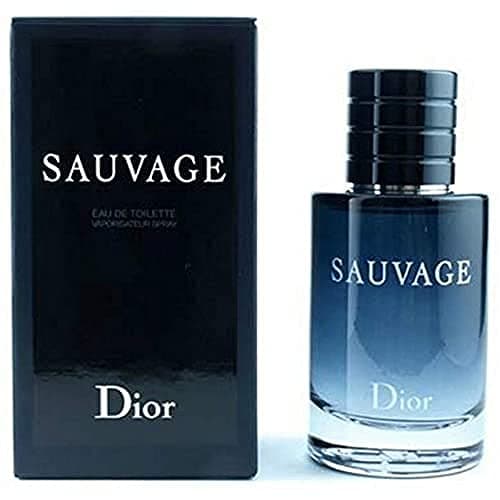
Buyer's guide
Fragrance notes explained: top, heart and base
Top, heart and base notes explained plainly - what each layer does, why a scent changes through the day, and how to read a note pyramid before you buy.
3 picks compared
See all picks →Top pick: Dior Sauvage
Buyer's guide
Fragrance families explained
Fresh, floral, oriental, woody and fougere - what each fragrance family actually smells like, who it suits, and one bottle that demonstrates each.
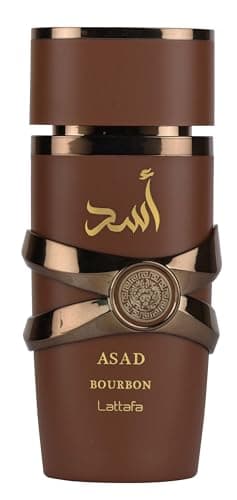
4 picks compared
See all picks →Top pick: Lattafa Asad
Explainer
Cologne vs eau de toilette
Eau de cologne is the lightest concentration; eau de toilette is roughly twice as strong and lasts hours longer. What that means when you buy.
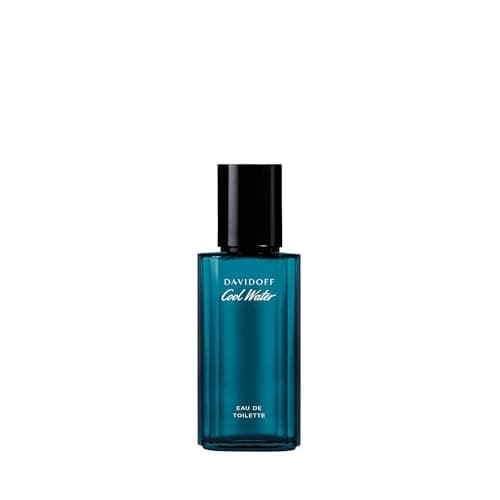
3 picks compared
See all picks →Top pick: Davidoff Cool Water
Explainer
Cologne vs eau de parfum
Eau de parfum is roughly 15-20% fragrance oil against cologne's 2-4%. What that means for longevity, projection, price and when to buy which.
3 picks compared
See all picks →Top pick: Lattafa Asad
Explainer
Cologne vs body spray
Why a real eau de toilette lasts hours longer than an aerosol body spray, what the upgrade actually costs, and the three bottles to start with.
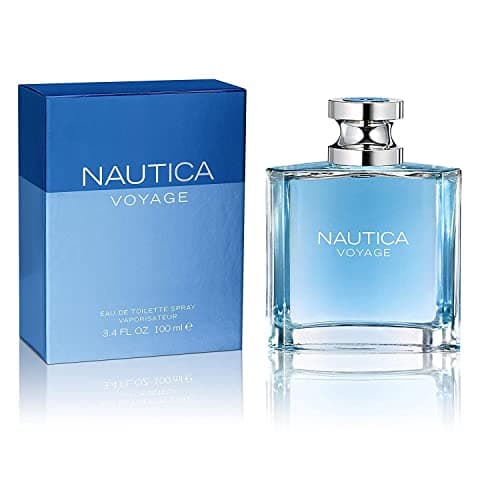
3 picks compared
See all picks →Top pick: Nautica Voyage
Explainer
Cologne vs aftershave
Aftershave is a post-shave skincare product with a little fragrance in it; cologne is a fragrance. What each is for, and whether to wear both.
3 picks compared
See all picks →Top pick: Nautica Voyage
Buyer's guide
Where to buy cologne
The five places to buy fragrance compared on price, authenticity risk and returns - plus the simple rules that keep you away from counterfeit bottles.
3 picks compared
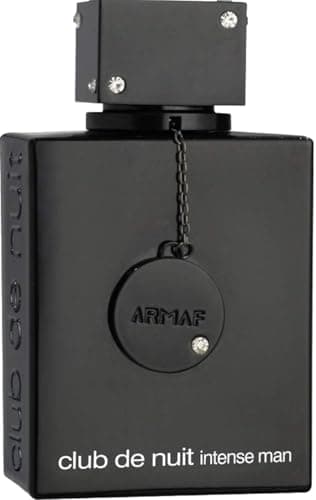
See all picks →Top pick: Armaf Club de Nuit Intense Man
- Buyer's guide
Buyer's guide
Does cologne expire?
How long cologne actually lasts, what ruins it fastest, and the three signs a bottle has turned. Storage matters more than age.
Read the guide → - Buyer's guide
Buyer's guide
How to spot fake cologne
Eight practical checks - batch code, cellophane, bottle, sprayer, smell - to tell a genuine bottle from a counterfeit before and after you buy.
Read the guide → Buyer's guide
Sillage and projection explained
Projection, sillage and longevity are three separate things. What each measures, how to control them, and why your own nose lies to you.
3 picks compared
See all picks →Top pick: Armaf Club de Nuit Intense Man
Buyer's guide
How to layer fragrances
The two rules of fragrance layering, the combinations that actually work, and an honest case for skipping it entirely.
3 picks compared
See all picks →Top pick: Nautica Voyage
- Explainer
Explainer
Cologne vs deodorant
Deodorant controls odor, antiperspirant reduces sweat, cologne adds scent. Three different products, and cologne cannot do the other two jobs.
Read the guide → 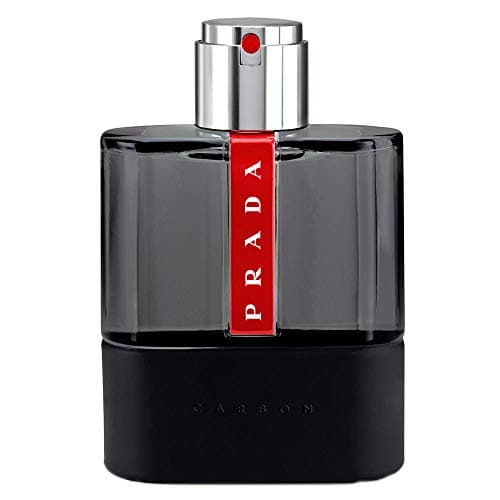
Explainer
Niche vs designer fragrance: what the money actually buys
What separates a $60 designer bottle from a $300 niche one - materials, distribution and risk appetite - and when the upgrade is actually worth paying for.
3 picks compared
See all picks →Top pick: Prada Luna Rossa Carbon
Explainer
Perfume oil vs cologne: which should you buy?
Oil-based attars vs alcohol-based cologne: the real differences in longevity, projection, cost and application - and which suits which situation.
3 picks compared
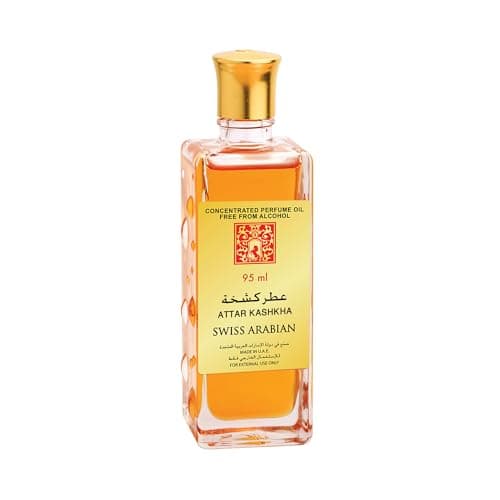
See all picks →Top pick: Swiss Arabian Attar Kashkha
Buyer's guide
How to save money on cologne
Why the sticker price on designer fragrance is meaningless, how the discounter market works, and seven concrete ways to spend less for the same scent.
3 picks compared
See all picks →Top pick: Nautica Voyage
- Buyer's guide
Buyer's guide
Why can't I smell my own cologne?
Olfactory fatigue, skin chemistry and the over-application trap - why your fragrance disappears on you but not on anyone else.
Read the guide → - Buyer's guide
Buyer's guide
Cologne allergies and sensitivities
Why fragrance causes headaches, rashes and sneezing, the difference between an allergy and an irritation, and how to shop if you react.
Read the guide → 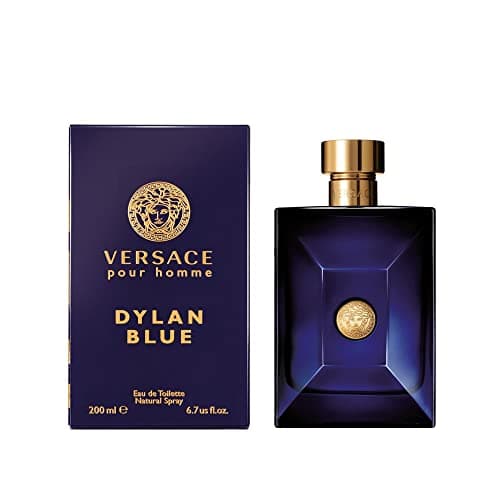
Buyer's guide
How to smell good all day: the full routine for men
Smelling good at five o'clock starts in the shower, not the bottle. The hygiene base, clean clothes, a cologne with real stamina and a small mid-day kit.
3 picks compared
See all picks →Top pick: Versace Dylan Blue
Buyer's guide
Day vs night cologne: what actually makes the difference
What really separates a day cologne from a night one, a two-question test you can run on any bottle, and two picks for each side.
4 picks compared
See all picks →Top pick: Prada Luna Rossa Carbon
Buyer's guide
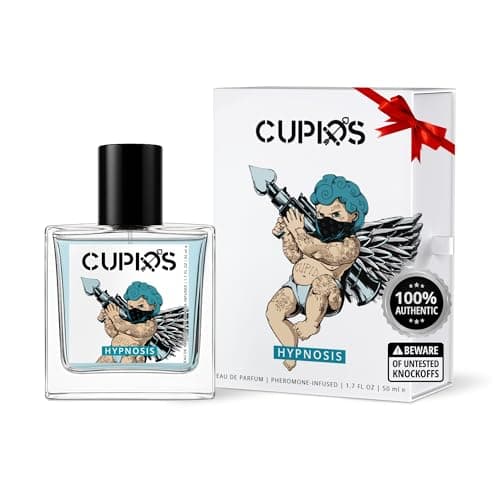
Do pheromone colognes work?
No human pheromone has been identified, so nothing can be formulated around one. What the research says, why the products still get good reviews, and what to buy instead.
3 picks compared
See all picks →Top pick: Cupid's Original Hypnosis 2.0
Buyer's guide
How much should you spend on cologne?
What $20, $35 and $130 actually buy in a bottle of cologne, the cost-per-wear math that reframes the decision, and the point where more money stops making a difference.
3 picks compared
See all picks →Top pick: Armaf Club de Nuit Intense Man
Buyer's guide
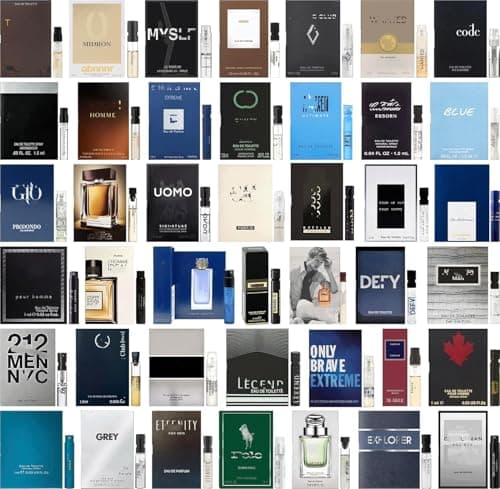
Why does cologne smell different on your skin?
Skin oil, temperature and what you washed with change how a fragrance reads - which is why the paper strip lies. How to test properly before you buy a full bottle.
2 picks compared
See all picks →Top pick: Men's Cologne Sampler Set (11 designer samples)
Buyer's guide
How long does a bottle of cologne last?
A 100 ml bottle holds around 1,000 sprays - about 16 months of daily wear. The spray math by bottle size, and which size to buy for which kind of fragrance.
3 picks compared
See all picks →Top pick: Davidoff Cool Water
Buyer's guide
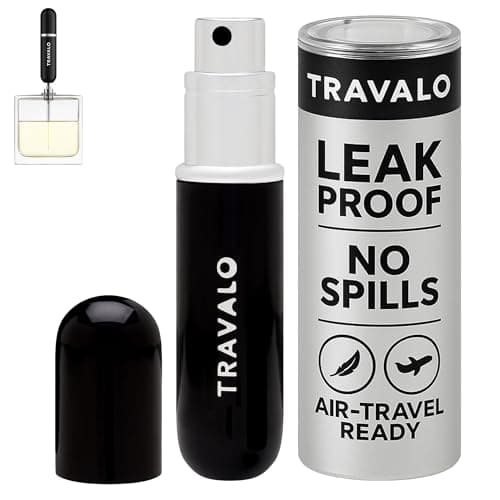
How to store cologne
What heat, light, air and humidity actually do to a bottle of cologne, why a parked car is the worst storage in your life, and the one purchase that fixes most of it.
2 picks compared
See all picks →Top pick: Travalo Classic HD Perfume Atomizer
Buyer's guide
What is ambroxan?
The ambergris molecule behind Dior Sauvage and most of what followed it: what it is made from, what it smells like, why it lasts, and three bottles that let you learn it.
3 picks compared
See all picks →Top pick: Dior Sauvage
Buyer's guide
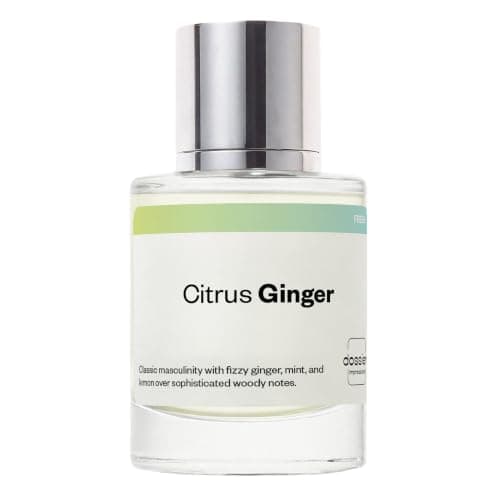
What does vetiver smell like?
The grass root behind most of Western perfumery's fixative work: what it smells like, why Haiti and Reunion oil differs from Java, and three bottles that show it.
3 picks compared
See all picks →Top pick: Dossier Citrus Ginger
Buyer's guide
Is Lattafa a good brand?
A real UAE house, not a counterfeiter - genuinely good value with three predictable risks: flanker confusion, batch variation and seasonal narrowness. Three bottles that show it at its best.
3 picks compared
See all picks →Top pick: Lattafa Asad
Buyer's guide
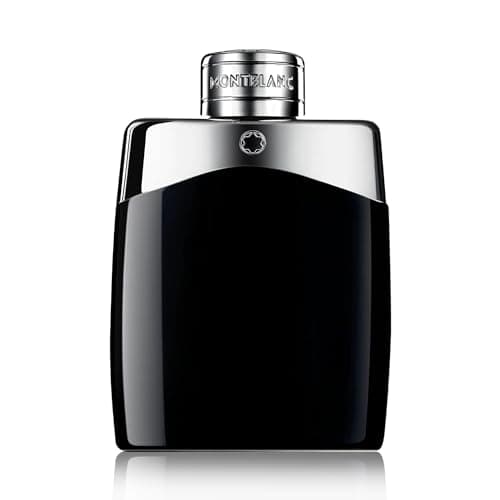
Should you wear cologne to an interview?
One spray, chest, ninety minutes before you arrive. Scored on detection radius rather than performance, with the survey evidence on workplace fragrance and four bottles that pass.
4 picks compared
See all picks →Top pick: Montblanc Legend
Buyer's guide
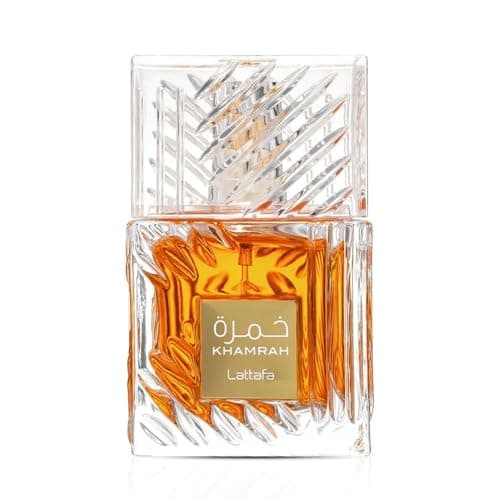
Eau de parfum vs eau de toilette
EDP carries roughly 15-20% fragrance oil against EDT's 5-15%, so it is stronger and lasts longer. Buy the EDP by default - and the three cases where the EDT is genuinely the better purchase.
3 picks compared
See all picks →Top pick: Lattafa Khamrah
Buyer's guide
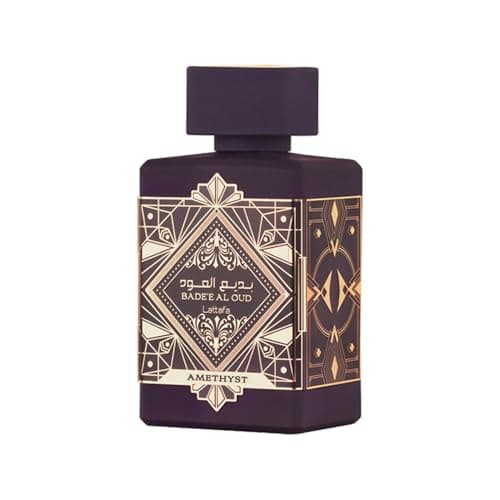
What does oud smell like?
Agarwood is resin a sick tree makes to defend itself, and only about 7 in 100 wild trees have it. What the real material smells like, why your bottle does not contain it, and four picks that show the accord.
4 picks compared
See all picks →Top pick: Lattafa Bade'e Al Oud Amethyst
Buyer's guide
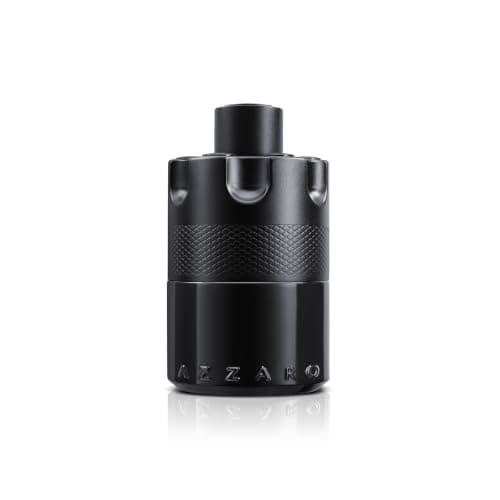
What does amber smell like?
Amber is an accord, not an ingredient: labdanum resin plus vanilla, benzoin and musk. Why the fossil and the whale have nothing to do with it, and three bottles that show the range.
3 picks compared
See all picks →Top pick: Azzaro The Most Wanted
Buyer's guide
What does ambergris smell like?
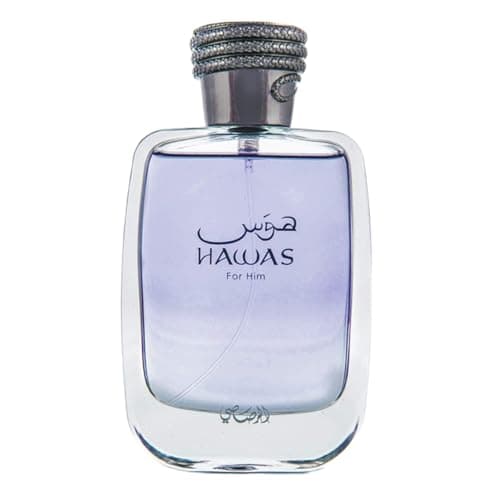
A sperm-whale digestive secretion that floats for years before washing ashore. What it smells like, why US law means your bottle holds synthetic ambroxide instead, and three fragrances built on the accord.
3 picks compared
See all picks →Top pick: Rasasi Hawas for Men
Buyer's guide
Is Armaf a good brand?
Armaf is a real brand from a Dubai manufacturer founded in 1998, and Club de Nuit Intense Man is one of the best-value fragrances made. The honest caveats: batch variation, loudness and no published provenance.
4 picks compared
See all picks →Top pick: Armaf Club de Nuit Intense Man