A sampler set is the smartest first purchase in fragrance, full stop. Instead of gambling on a full bottle you have only sniffed on a paper strip, you get a handful of vials to wear on your own skin, on your own schedule — and that is the only test that actually tells you whether a scent is you.
Here is what nobody at the department-store counter will tell you: a ten-second sniff off a blotter is close to useless. Fragrance changes on skin over hours, reacting with your body chemistry and shifting from the bright opening notes into a completely different dry-down. A scent that grabs you in the first minute can turn sour by lunch, and a quiet one you almost skipped can become the thing people keep asking you about. You only learn that by wearing it for a full day.
That is what a sampler set buys you: a low-stakes way to live with several scents before you commit real money to any of them. Spend a little, wear a different vial each day for a week or two, and you will know your lane far better than any online reviewer can tell you. Then you buy the full bottle of the one you actually reach for — not the one the internet told you to like.
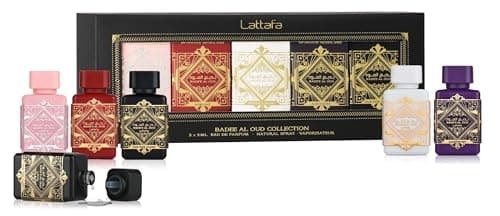
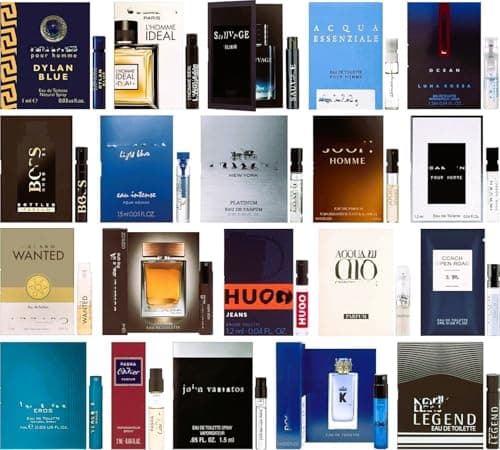
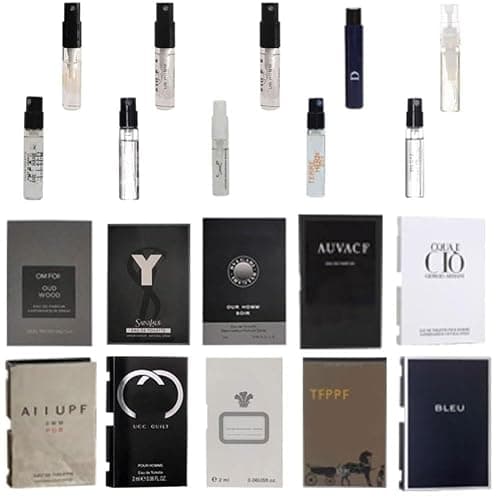
Two honest caveats before you shop. First, these are small: a vial or a decant is a spray or two, not a season of wear. They are for deciding, not for daily driving. Second, the assorted-designer boxes often rotate their contents, so the exact lineup you receive may not match every scent in the listing photo. Treat the pictured scents as a guide, not a guarantee. If you want a fixed, known set, a single-house discovery box (like the Lattafa one below) tells you exactly what is inside.
Below are four sets worth your money, from the widest variety pack to a focused oud-and-amber box. If you are brand new, pair one with our beginner cologne picks and read how to try cologne before you buy so you test them the right way. If you are starting from owning nothing at all, our first fragrance buying guide puts the discovery kit in its place as step two of five, and tells you what to do with it once it arrives.
How we chose these sampler sets
We are not scoring these the way we score a full bottle, because a sampler is a format, not a fragrance. The job of a discovery set is to let you make a good decision cheaply, so that is what we judged: how many scents you get, how coherent the lineup is, and whether each vial holds enough juice for at least one honest full-day wear. Our read leans on the published set contents and what buyers consistently report about pour sizes and lineups — not a lab, because we do not have one. See how we review for the full method.
A few rules of thumb. More vials is not automatically better — eight scents you will actually wear beat twelve you will not. Single-house boxes give you a fixed, known lineup and larger pours, which is great when you already know you like a style. Mixed assorted-designer boxes give you range, which is what you want when you have no idea where to start; just accept that the exact contents can rotate.
Whatever you pick, use it properly: one scent a day, on skin, and give it until the dry-down before you judge. If you are still deciding between concentrations, our guide to fragrance concentrations explains why an Eau de Parfum vial will outlast an Eau de Toilette one. And if the oud-and-amber set above catches your eye, our Lattafa Asad review is a good next read.
Sampler set or discovery kit — is there a difference?
In practice, no. "Discovery set," "discovery kit," "sampler set" and "variety pack" all describe the same product: a box of small vials or decants meant to let you try several scents before committing to one full bottle. The words are marketing, not categories — brands tend to say "discovery set" for their own range and sellers tend to say "sampler set" for a mixed box, and that is about the whole distinction.
The difference that does matter is what is inside, and there are three real shapes. Pick by the question you are trying to answer, not by the word on the box.
| Format | What you get | The right question for it | The catch |
|---|
| Mixed-designer kit | 8–11 small vials spanning fresh, sweet, woody and spicy | "Which direction am I even in?" | Contents rotate; a spray or two per vial |
| Single-house discovery set | Around five larger decants from one brand's range | "I like this style — which one of these is best on me?" | One flavor throughout; no range to compare against |
| Individual decants | A 2–10ml bottle of one specific scent | "Should I buy this exact bottle?" | You have to already know what you are testing |
If you own nothing, buy a mixed kit. If you already know you love gourmands or ouds, a single-house set gets you far more juice per dollar. If you are one decision away from a specific full bottle, skip both and buy that one decant — our travel-size and decant guide covers that route.
How to run a discovery kit properly
A kit only pays for itself if you use it as an experiment rather than a box of novelties. Two weeks, one scent a day, and a single line written down each evening will teach you more about your own taste than a year of reading. The method:
- One vial per day, on skin. Two at once and you cannot attribute anything you notice. Chest and neck, two sprays.
- Judge at hour four. The opening is not what you wear; the dry-down is. A vial that dazzles at minute one and annoys you by lunch has told you something useful.
- Note the reaction, not just the smell. You go nose-blind within half an hour. What other people say is the signal you cannot generate yourself.
- Keep the losers until the end. A scent you rank fourth in week one is sometimes the one you reach for in week two. Only rank when the whole kit has had a turn.
- Then buy one bottle. The one you actually reached for, not the one that scored best on paper.
The economics are the reason to bother. A kit costs a fraction of a full bottle and removes almost all of the risk from the purchase that follows — and a $100 bottle that lives in a drawer costs more per wear than any kit ever will.