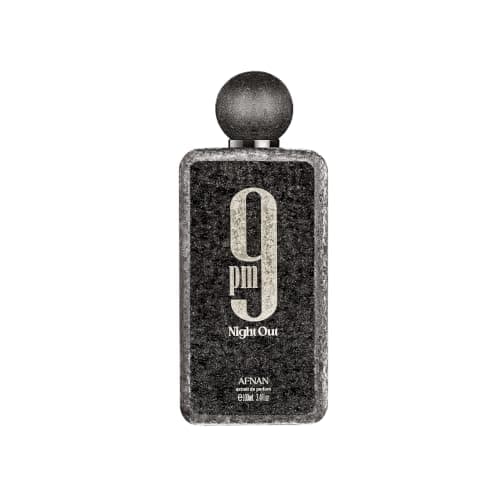
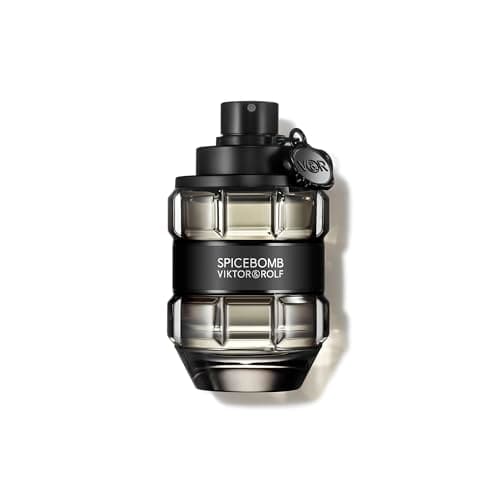
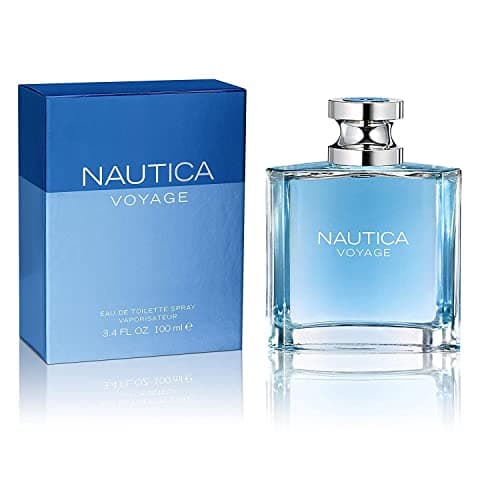
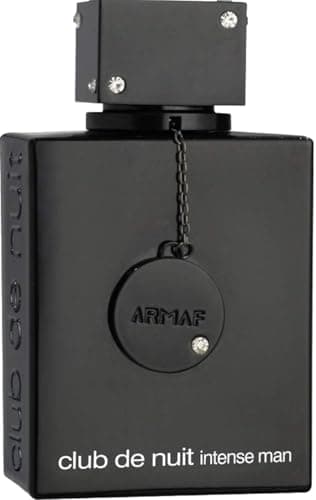
If wear time is the only thing you care about, buy Armaf Club de Nuit Intense Man and stop reading. It lasts longer than anything else here, it costs less than most of the designers on this page, and the community consensus on that is about as unanimous as fragrance opinions ever get.
For this page we inverted the usual rubric. Longevity and projection are scored first and weighted hardest; scent, versatility and value come after. That produces a ranking that looks nothing like our general best-cologne roundup — three of the top five are clone-house or Arabian-house bottles that cost a fraction of the designers, and the budget bottle we recommend more than any other on the site finishes dead last.
A necessary honesty note before the list. We have not lab-timed any of these, and anyone who tells you a fragrance lasts "12.4 hours" is inventing precision. What we can do is compile the stated concentration, read the published note pyramid for the heavy base materials that actually create longevity, and weigh what large numbers of wearers consistently report. Where the reports are split, we say so. Your own skin will change the answer by hours in either direction — dry skin holds fragrance markedly worse than moisturized skin, which is the single biggest variable nobody accounts for.
The pattern worth noticing is that the winners are not the most expensive bottles; they are the ones built on heavy base materials. Ambroxan, ambergris accords, oud, resins, tonka and vanilla are substantive molecules that evaporate slowly. Citrus and marine notes are not. That is why a $25 amber bomb outlasts a $130 aquatic, and why the right question is not "how much did it cost" but "what is in the base."
How we ranked for longevity
Longevity and projection are scored first here and everything else follows. As always, the scores are judgments from documented research — published concentrations, official note pyramids, and aggregated wearer reports — not measurements we took, because we do not run a lab. The full method is on how we review.
What actually makes a cologne last
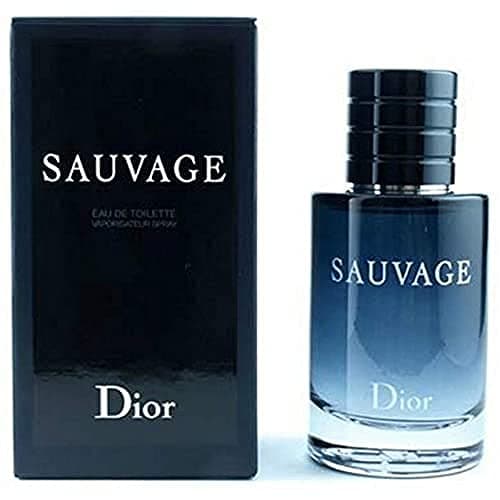
Three factors, roughly in order of importance. First, the base notes: heavy, low-volatility materials — amber and ambroxan, oud, resins, patchouli, vanilla, tonka, musk — are what is still on your skin at hour eight. A fragrance whose personality lives in its citrus top notes cannot last, no matter what it costs. Second, concentration: an EDP carries more fragrance oil than an EDT and generally lasts longer, though as Dior Sauvage proves, a well-built EDT can beat a weak EDP. The concentrations guide explains the labels properly. Third, your skin: oily, moisturized skin holds scent far longer than dry skin, which is why the same bottle can last six hours on one person and two on another.
Get more out of what you already own
Before you buy a beast, try the free fixes. Apply to moisturized skin straight out of a shower, spray onto clothing as well as skin (fabric holds fragrance far longer than skin does), and do not rub your wrists together — it crushes the top notes. Our full guide on making cologne last longer walks through the rest, and it will get more hours out of a modest bottle than upgrading to an expensive one usually does.
The trade-off nobody mentions
Long-lasting and appropriate are frequently opposites. Every bottle in our top five is too strong for an open-plan office, and most are too heavy for summer. If you want something that lasts a work day without annoying anyone, that is a different list — start with the office roundup, where restraint is weighted hardest. And if you like the sound of the clone-house performers here, the dupes hub is where the value picks live.
How we picked
We did not lab-test this gear
Everyone in this category says they tested twenty products. We have not lab-tested any of these, and we say so. What we did instead: compiled the published specifications, decoded the ingredient (INCI) lists active by active, ran the math where there was math to run, and scored each product against a published rubric. The scores are judgments from documented research — not measurements we took, because we do not have a lab and we will not pretend we do. Where a number came from someone else's work, we name them in Sources.