Almost every men's fragrance ever made belongs to one of five broad families: fresh, fougere, woody, oriental (also called amber) and floral. Learning which family you like is the single most efficient thing you can do as a buyer, because it turns thousands of bottles into a shortlist of a few dozen.
Families are groupings by character, not by ingredient. Two fragrances in the same family will not smell identical, but they will feel related in the way two rock albums feel related - same broad shape, different execution. That is exactly what you want when you are trying to find your next bottle from a scent you already like.
Fresh
Citrus, aquatic, green and marine scents. Think lemon, bergamot, grapefruit, sea air, cut grass and cucumber. This is the most popular and most universally acceptable family, and it dominates modern men's fragrance almost completely - most of the blue and silver bottles you see are here.
Suits: summer, daytime, offices, anyone buying their first bottle, anyone who wants to smell clean rather than noticeable. Trade-off: fresh materials are light and volatile, so this family is the shortest-lived. Where to start: our summer roundup is almost entirely fresh fragrances.
Fougere
Pronounced foo-ZHAIR, French for "fern." The classic masculine structure: lavender at the top, coumarin (a sweet, hay-like material, usually from tonka bean) at the base, often with oakmoss and geranium in between. If a fragrance smells like a traditional barbershop, it is almost certainly a fougere.
Suits: work, formal settings, anyone who wants to smell groomed rather than fashionable. Trade-off: it is the most conservative family and can read old-fashioned in its purest form. Where to start: the office roundup, which is fougere-heavy for exactly this reason.
Woody
Cedar, sandalwood, vetiver, patchouli and oud, often with spice. Dry, warm and grounded rather than sweet or fresh. This family splits into a clean, dry side (cedar and vetiver) and a rich, dark side (oud and resins) that behave quite differently.
Suits: fall and winter, evenings, anyone who finds fresh fragrances boring. Trade-off: the darker end is genuinely challenging and not remotely universal. Where to start: the winter roundup, or our beginner oud guide if the dark end interests you.
Oriental (amber)
Sweet, warm and resinous: vanilla, tonka, amber, benzoin, incense, spices and dried fruits. The word "oriental" is the traditional industry term and is increasingly replaced by "amber" - the two mean the same thing. This is where nearly all the modern crowd-pleasers and almost every clone-house bottle lives.
Suits: winter, evenings, dates, anyone chasing compliments. Trade-off: heavy and sweet, so it is usually wrong for heat and for the office. Where to start: the Lattafa roundup is almost entirely this family, cheaply.
Floral
In men's fragrance, floral notes are usually supporting players rather than the headline - lavender, geranium, orange blossom and rose appear constantly in the heart of masculine compositions without the fragrance being called floral. Rose-forward masculine scents are common in Arabian perfumery and much rarer in Western designer releases.
Suits: anyone who has found the other four families uninteresting. Trade-off: the strongest cultural associations to fight through, entirely unnecessarily. Where to start: a rose-and-oud bottle from our beginner oud guide.
How to find your family
Work backwards from something you already like. If you enjoy the smell of fresh laundry, cut citrus or the sea, you are fresh. If you like barbershops, shaving soap and clean lavender, you are fougere. If you gravitate to woodsmoke, cedar and dry spice, you are woody. If bakery smells, vanilla and warm spice appeal, you are oriental. Most people turn out to belong to two families and use one for summer and one for winter, which is the practical logic behind our fragrance wardrobe guide.
Families overlap, and that is fine
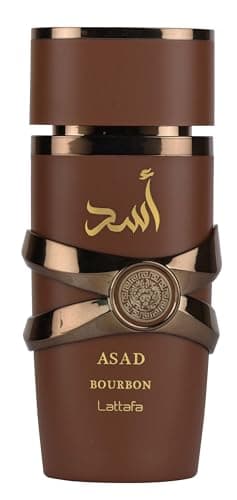
Most modern fragrances are hybrids - fresh-spicy, woody-aromatic, amber-fougere. Dior Sauvage is usually classed as fresh but its ambroxan base gives it an amber character; Lattafa Asad is oriental with a fruity top. Do not treat the categories as boxes. Treat them as directions, and use them to explain to yourself why you liked something.
How to use this when you shop
Once you know your family, three things get easier. You can read a note pyramid and predict whether a bottle is for you - our notes guide covers that. You can buy dupes and clones intelligently, because you are shopping a style rather than a specific bottle - see the dupes hub. And you can buy sample sets strategically, picking several bottles from one family rather than a scattergun of everything; the sampler set roundup is the cheap way to run that experiment.
The four bottles above
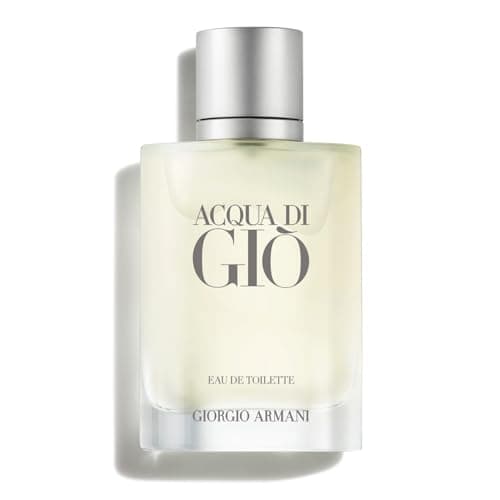
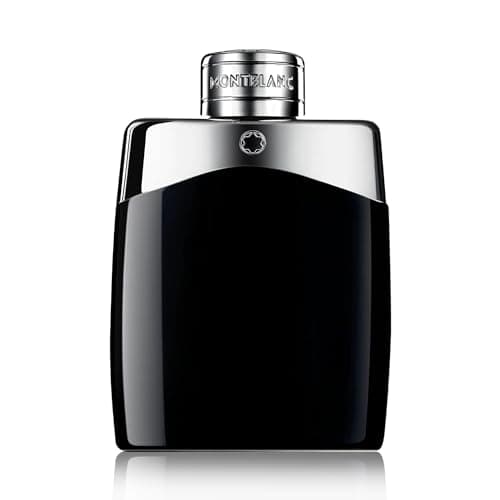
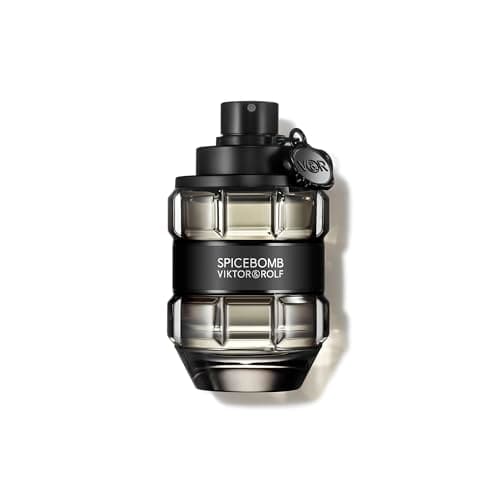
Each is chosen to demonstrate a family rather than to win a ranking: Acqua di Gio for fresh, Montblanc Legend for fougere, Spicebomb for woody-spicy and Lattafa Asad for oriental. Wearing those four for a day each would teach you more about your own taste than any amount of reading, and three of them cost very little.