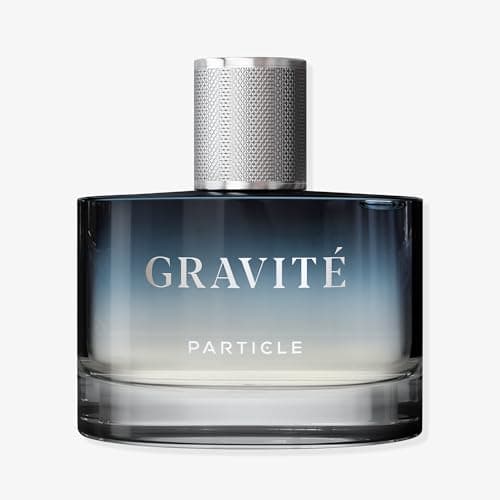
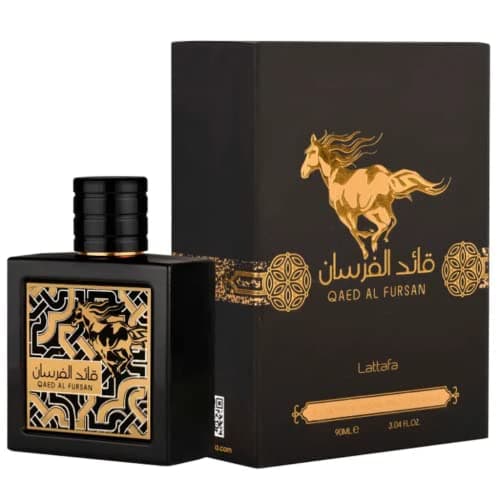
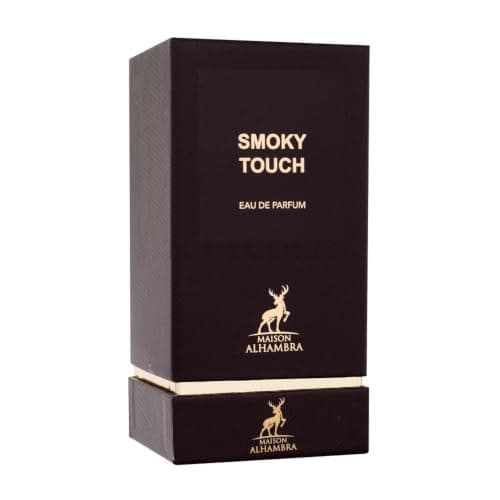
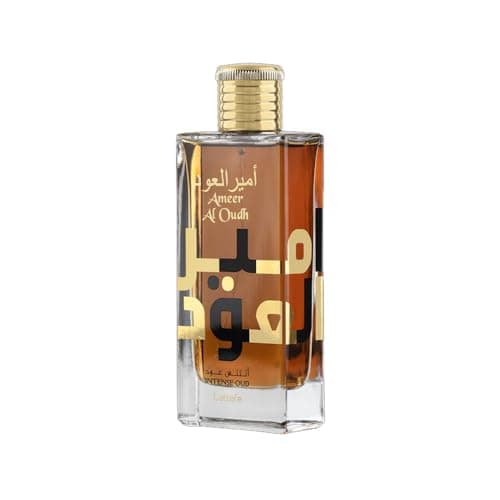
Woody is the family men are pushed toward hardest and understand least. It is presented as the grown-up choice — the thing you graduate to after the sweet stuff — which is not quite right, and it lumps together materials that smell nothing like one another. Cedar and agarwood are both woods and they have almost nothing in common.
This page splits the family into its actual parts, ranks the best example of each on this site, and is direct about which ones a newcomer should approach carefully. If you have been told to buy something woody and had no idea what that meant, start here.
The woods, and what they actually smell like
- Cedar.Dry, clean, faintly pencil-shavings. The most common wood in modern men's fragrance and the easiest to wear. It does not smell rich; it smells crisp.
- Sandalwood.Creamy, soft, milky, slightly sweet. Genuine Mysore sandalwood is now rare and expensive, so most sandalwood you smell is a reconstruction — often very good ones, but that is what they are.
- Vetiver.Not a wood at all — it is a grass root — but it lives in this family. Earthy, smoky, slightly bitter and green. The most sophisticated-smelling material here and the most polarizing.
- Agarwood / oud.Dense, resinous, medicinal, animalic. The most expensive natural material in perfumery and the hardest to wear. Almost all affordable oud is a synthetic reconstruction, and that is not a scandal — it is the only way it can exist at these prices.
- Patchouli and amberwood. The connective tissue. Neither is strictly a wood, both are in almost every woody composition, and both are what give the family its warmth and length.
Almost no fragrance is one wood. What varies is which one leads, and that is the thing to identify when you are shopping. Our fragrance notes guide covers how these read in a pyramid, and fragrance families explained places the woody family against the others.
Why woody scents last
This is the family's structural advantage and the reason it is worth understanding. Woody materials are heavy molecules that evaporate slowly, which means they sit in the base of a composition and keep working for hours after a citrus top has gone. Every one of the longest wearing fragrances on this site has a woody or resinous base.
The practical consequence is that woody scents need a lighter hand than fresh ones. Two sprays of a cedar-and-oud eau de parfum will still be present tomorrow morning on the shirt you wore. That is a feature until it is a problem — see sillage and projection explained for the difference between lasting and looming.
How we ranked them
- Depthreplaces our usual projection column — how much complexity the composition actually has once the top notes burn off, which is the whole reason to buy woody.
- Scent, wearability, longevity and value follow our published rubric.
- Wearability is scored strictly here. Two of these are genuinely difficult fragrances and the ranking says so.
How we picked these
Published note pyramids, published concentrations, aggregated community reports on performance, live Amazon prices, and our published rubric with depth replacing projection. The list is spread deliberately across cedar, vetiver, tobacco and agarwood rather than being five variations on one wood.
The oud honesty note
Almost all affordable oud is not agarwood. Genuine oud oil is among the most expensive materials in perfumery, and a fragrance selling for twenty dollars cannot contain a meaningful quantity of it. What you are smelling is a synthetic reconstruction — typically built from materials that mimic the resinous, leathery facets of the real thing.
That is not a scam and it is not a criticism. Good synthetic oud smells good, and the alternative is a category that only exists at four-figure prices. But any budget bottle marketing itself on "real agarwood" is overstating its case, and it is worth knowing that before you buy on the strength of the word.
Sandalwood, and why you rarely smell it
The same story with a different cause. Mysore sandalwood was over-harvested to the point of protection, and Indian export of it is heavily restricted. Most sandalwood in modern fragrance is Australian sandalwood or a synthetic reconstruction, both of which are lighter and less creamy than the material the classics were built on. If you have read that a vintage fragrance smelled richer, this is frequently the reason.
How to wear woody without overdoing it
The rule is simply fewer sprays than you would use of something fresh. Woody bases build over hours rather than fading, so the dose that feels right at 8am is often too much by lunch. One to two sprays for anything on this page; two absolute maximum for the oud.
The other trap is your own nose. Heavy base notes are exactly the ones you stop perceiving fastest, so you will reach for a third spray at the moment everyone else is being knocked over. Our piece on why you cannot smell your own cologne explains the mechanism, and how to apply cologne covers placement.
Where to go next
If the smoky end appeals, the Aventus clones roundup is the natural next page. If you want warmth rather than smoke, the vanilla roundup covers the sweeter neighbor of this family. And if the whole category feels too heavy, our best fresh cologneslist is the opposite direction. And if what you like here is the dry, slightly bitter side of wood rather than the sweetness, the next family along is leather — we separate its four genuinely different styles in best leather colognes.