"Fresh" is the most requested and least useful word in men's fragrance. Walk into a shop, say you want something fresh, and you will be handed four bottles that smell nothing like each other. They are all correct. Fresh is not a fragrance family — it is a description of an effect that at least four different families produce by completely different means.
This page separates them, ranks the best example of each, and is honest about the one structural weakness the whole category shares: fresh fragrances are, on average, the shortest-lived things you can buy. Understanding why is most of what you need to shop well here.
The four kinds of fresh
- Citrus / hesperidic.Bergamot, lemon, grapefruit, mandarin. The brightest and the most short-lived — citrus molecules are small and volatile and they evaporate fast. Classic eau de cologne is almost entirely this, and we rank the lane on its own terms — by how long the citrus itself survives — in best citrus colognes.
- Aquatic / marine.Calone and related synthetics that read as sea air, melon rind and wet stone. Invented commercially in the late 1980s and dominant ever since. This is what most people picture when they say "blue fragrance." Cheaper routes to the bottle that defined it are in Acqua di Gio dupes.
- Green.Crushed leaves, cut grass, violet leaf, fig leaf, galbanum. Sharper and more bitter than aquatic, and much less common in mainstream men's releases.
- Clean / soapy-musky.White musks, aldehydes, laundry accords. Not really fresh in the botanical sense at all, but it is what a lot of people mean by the word — smelling recently showered.
Most modern bottles blend two or three of these. The useful move when shopping is to work out which one you are actually after, because if you want green and keep being handed aquatic you will be disappointed five times in a row. Our fragrance families guide places all four on the wider map.
Why fresh fragrances fade fastest
This is chemistry, not cost-cutting. The materials that read as fresh — citrus oils, marine synthetics, green notes — are lightweight and evaporate quickly. The materials that last for hours — resins, woods, musks, amber — are heavy and mostly read as warm rather than fresh. A fragrance that is genuinely fresh all day is a contradiction; what you get instead is a fresh opening over a base that carries the length.
That is exactly what separates our top picks from the rest of the category. Every bottle below has a real base doing structural work underneath the bright top. If you want the general mechanics, our longevity guide covers what you can and cannot change about it.
How we ranked them
- Freshnessreplaces our usual projection column — specifically, how convincingly the bottle delivers the effect it promises, and for how long into the wear.
- Scent, wearability, longevity and value follow our published rubric.
- Every pick is scored on published concentration and aggregated wearer reports. We do not run a lab and we do not pretend to.
The short answer
Quick picks
#ad · Live prices from the Amazon Product API, as of October 19, 2026. Where we have no verified live price, we show none — a gap beats a number that has rotted.
In detail
The picks, in full
Best all-round fresh
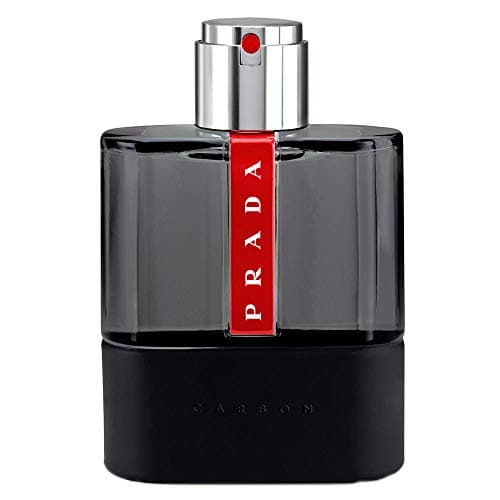
Prada Luna Rossa Carbon
EDT3.4 ozClean / mineralDesigner
Clean-fresh with a mineral spine, and the only bottle here that is still recognizably fresh six hours in.
- Freshness
- 9
- Scent
- 8
- Wearability
- 10
- Longevity
- 8
- Value
- 8
Pros
- +Stays fresh far longer than the category norm
- +The coal-and-mineral accord gives it an identity most clean scents lack
- +Works in any season and any setting
- +Never loud enough to cause a problem
Cons
- −Deliberately restrained - low projection
- −Cool and slightly synthetic on some skin
- −The most expensive bottle on this page
Don't buy this if…
…you want a bright citrus hit, or you buy fragrance for reactions
Carbon wins here on the strength of its base. Lavender and mineral notes over ambroxan is not a formula that should still read as fresh at hour six, and it does — which is the single hardest thing to achieve in this category. It is the clean-and-cool type rather than the citrus type, so calibrate expectations. Our Luna Rossa Carbon review has the full breakdown.
Best marine / aquatic
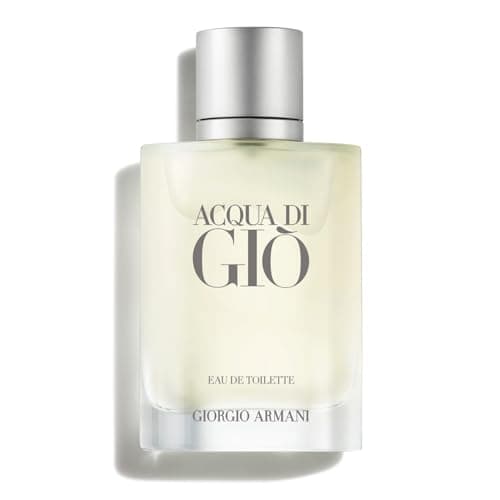
Giorgio Armani Acqua di Gio
EDT1.6 ozMarine citrusDesigner
The marine reference point. Nothing has bettered it at the thing it does, and plenty have tried.
- Freshness
- 10
- Scent
- 9
- Wearability
- 9
- Longevity
- 6
- Value
- 8
Pros
- +The definitive sea-air-and-citrus accord, still beautifully executed
- +Almost universally liked across ages and settings
- +Perfect in genuine heat, where heavier scents collapse
- +The benchmark the rest of this page is measured against
Cons
- −Fades faster than everything else on this page
- −Reformulation over the years is widely reported by long-term wearers
- −Familiar to the point of invisibility
- −No longer the bargain it was: the large bottle is frequently unavailable and the 1.6 oz is not cheap
Don't buy this if…
…you need all-day wear, or you want something nobody recognizes
If you want the aquatic type specifically, this is still the answer. Marine notes over jasmine and rosemary, into cedar and patchouli — the structure everyone else copied. It is scored down on longevity because that is genuinely its weakness, not because of any fault in the composition. Spray more, and keep an atomizer in your bag. Full detail in our Acqua di Gio review.
Best fresh with depth
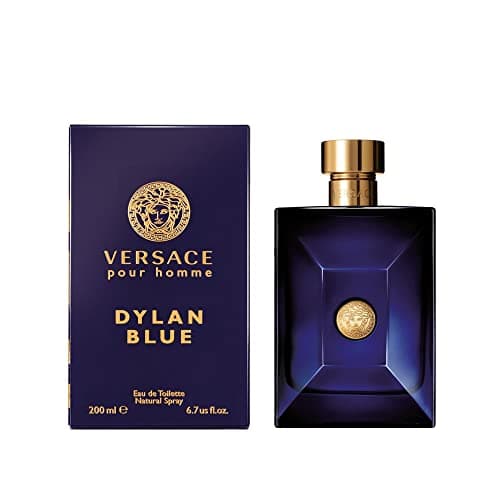
Versace Dylan Blue
EDT6.7 ozGreen / aquaticDesigner
Fresh on top and genuinely dark underneath - the best fresh scent here for anyone who finds fresh boring.
- Freshness
- 7
- Scent
- 8
- Wearability
- 9
- Longevity
- 8
- Value
- 10
Pros
- +Fig leaf and violet leaf give it a green bitterness most aquatics lack
- +The woody-ambroxan base carries it for hours
- +Strong projection - noticed without being announced
- +Consistently discounted
Cons
- −Extremely widely worn
- −Too much in a small warm room
- −The base is not fresh at all, which surprises some buyers
Don't buy this if…
…you want a scent that stays bright, or ambroxan reads scratchy to you
This is the green-and-aquatic hybrid, and it is the pick for people who like the idea of fresh but find most fresh scents thin. Worth knowing before you buy: the opening is fresh and the drydown is not. An hour in, this is a dry woody amber. That is the appeal if you know it is coming and a disappointment if you do not. See our Dylan Blue review.
Best sporty fresh
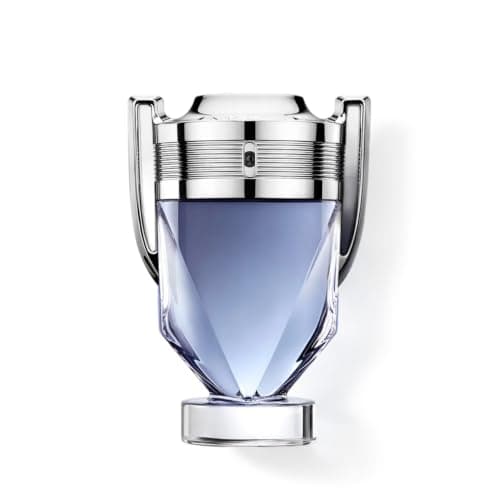
Rabanne Invictus
EDT3.4 ozMarine / cleanDesigner
The sporty, salty end of the category - clean in the shower-gel sense, which is either the point or the problem.
- Freshness
- 8
- Scent
- 7
- Wearability
- 7
- Longevity
- 7
- Value
- 7
Pros
- +Bright grapefruit-and-salt opening that reads instantly clean
- +Strong projection for a fresh scent
- +Ideal post-gym and in real heat
- +Cloned widely, so cheap alternatives exist
Cons
- −The marine-ambergris accord reads soapy to a lot of people
- −Very common, especially with younger wearers
- −Almost no development after the first half hour
Don't buy this if…
…soapy-clean is not a compliment in your vocabulary
Invictus is the clean-and-soapy type taken to its logical end. Whether that is refreshing or generic is a genuine split in how people perceive marine and ambergris materials, and no amount of wearing it will move you between camps — sample first. It is scored honestly rather than harshly: it does its job, the job is just narrower than the others here. Our Invictus review covers the split, and the Invictus dupes page covers the cheap routes to the same shape.
Best budget fresh
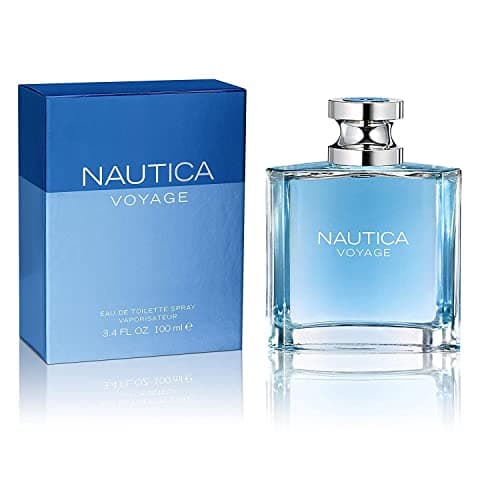
Nautica Voyage
EDT3.4 ozGreen apple aquaticBudget
The cheapest genuinely good fresh scent there is - and the shortest-lived thing on this page.
- Freshness
- 9
- Scent
- 8
- Wearability
- 8
- Longevity
- 5
- Value
- 10
Pros
- +Green apple over sea air is a distinctive, likeable opening
- +Costs less than a takeaway
- +Genuinely excellent in spring and summer heat
- +The easiest low-risk entry point into fresh fragrance
Cons
- −Modest longevity - midday reapplication is normal
- −Simple, with very little development
- −So popular that it reads as familiar rather than distinctive
Don't buy this if…
…you want performance, or sweet aquatics are not for you
Voyage is here because value matters and because it is a properly good fragrance, not a cheap one that we are being kind about. The green apple is what makes it — it is the one budget aquatic with an identifiable idea in it. It is ranked last purely on longevity, which is its only real fault and an entirely forgivable one at this price. Our Nautica Voyage review has more, and best colognes under $50 covers the rest of the budget field.
How we picked these
Published note pyramids, published concentrations, aggregated wearer reports on how long each stays recognizably fresh, live Amazon prices, and our published rubric with a freshness column replacing projection. The list is deliberately spread across the four types rather than being five variations on the same aquatic.
Fresh and office are not the same thing
A common assumption worth correcting: fresh does not automatically mean workplace-appropriate. Two of the bottles on this page project strongly enough to be a problem in a small shared room, and a loud fresh scent annoys colleagues exactly as much as a loud sweet one. What makes a fragrance office-safe is restraint, not category. Our office roundup is scored on that specifically.
Getting more hours out of a fresh scent
Three things actually work, and one thing does not.
- Apply to moisturized skin. Dry skin gives volatile top notes nothing to hold onto. This is the single biggest controllable variable.
- Spray clothing as well as skin.Fabric holds fragrance far longer than skin does. Test on an inconspicuous area first — some fragrances stain light fabrics.
- Carry a travel atomizer. Reapplying at lunchtime is not a failure; for a citrus or aquatic it is the design. Our travel-size guide covers the options.
- Rubbing your wrists does not help.It crushes the top notes and shortens the opening. This is the most persistent piece of bad advice in fragrance — more of them in our common cologne mistakes piece.
If fresh is not working for you
A reasonable number of people buy three fresh fragrances, find all of them forgettable, and conclude they do not like fragrance. Usually they just do not like this category. If everything here sounds like soap, try the warm end instead — woody colognes and vanilla colognes are where most people who dislike fresh end up, and a sampler set is the cheapest way to find out which.
One material quietly holds up almost every bottle on this page. An ambergris-type accord in the base is what stops a bright citrus or marine opening smelling thin, and it is also why a minority of people find this entire family soapy. If a fresh fragrance has ever read as shower gel to you, the explanation — and the cheap way to test it on yourself — is in what does ambergris smell like.
How we picked
We did not lab-test this gear
Everyone in this category says they tested twenty products. We have not lab-tested any of these, and we say so. What we did instead: compiled the published specifications, decoded the ingredient (INCI) lists active by active, ran the math where there was math to run, and scored each product against a published rubric. The scores are judgments from documented research — not measurements we took, because we do not have a lab and we will not pretend we do. Where a number came from someone else's work, we name them in Sources.
Questions
Frequently asked
What is the best fresh cologne for men?+
It depends which kind of fresh you mean. For clean and long-lasting, Prada Luna Rossa Carbon. For the classic marine effect, Acqua di Gio. For fresh with a dark base, Versace Dylan Blue. On a budget, Nautica Voyage.
Why do fresh colognes not last long?+
Chemistry. The materials that read as fresh - citrus oils, marine synthetics, green notes - are lightweight and evaporate quickly. The materials that last for hours are heavy, and they read as warm rather than fresh. A fresh scent with real longevity always has a woody or musky base doing the work.
Is fresh cologne good for summer?+
Yes, and it is the main reason the category exists. Heat amplifies everything, so sweet and heavy scents become cloying while citrus and marine notes stay comfortable. Our summer roundup covers the field in more detail.
What is the difference between fresh and clean in a cologne?+
Fresh usually means citrus, marine or green notes - a botanical brightness. Clean usually means white musks, aldehydes and laundry accords - the smell of having recently showered. They overlap, but if you ask for one and get the other you will notice.
Receipts
Sources
We do not run a testing lab, and we do not pretend to. Where a measured number came from someone else's work, we name them and link them. Where we could not verify something, we say so on the page rather than quietly leaving it out. Read our full method.