Projection is how far your fragrance travels from your body right now. Sillage is the trail it leaves behind you as you move through a space. Longevity is how many hours it lasts. They are three different properties, a fragrance can be strong in one and weak in another, and confusing them is why so much online fragrance advice is useless.
Every product page on this site scores projection and longevity separately for that reason. Once you can tell them apart, a lot of otherwise contradictory reviews start making sense — the person saying a scent is "weak" and the person saying it "lasts all day" are frequently both right about the same bottle.
Projection: how far it reaches
Projection is the radius around you within which someone can smell your fragrance while you are standing still. A high-projection scent is noticeable from several feet away; a low-projection one requires someone to be close.
Projection is not constant. Almost every fragrance projects most in the first one to two hours, as the volatile top and heart notes evaporate fastest, and then settles closer to the skin. So "this projects like crazy" and "this becomes a skin scent" are usually statements about the same bottle at different hours.
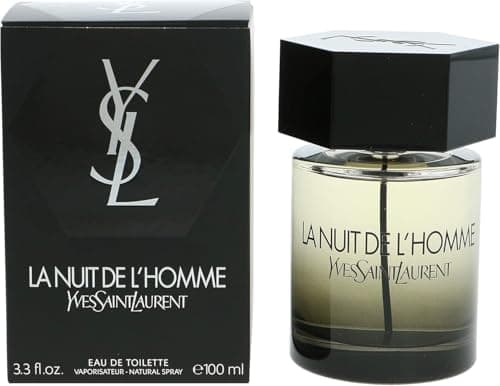
A scent that stays close to the skin for its whole life is called a skin scent. That is a description, not an insult — YSL La Nuit de L'Homme is one of the most admired designer fragrances of the last twenty years and it barely projects at all. For a wedding or a dinner, that is exactly what you want.
Sillage: the trail you leave
Sillage (French for "wake," as in the wake of a boat, and pronounced roughly see-yazh) is what someone smells after you have walked past. It is related to projection but not identical: sillage is about persistence in the air behind you rather than radius around you.
The practical difference shows up in specific situations. A scent with heavy projection but modest sillage fills the space you are in and stops when you leave. One with strong sillage leaves a trail down a corridor. Big, resinous, ambery compositions tend to have the most sillage, because the heavy base materials linger in the air rather than dissipating.
Longevity: how long it lasts
Longevity is the simplest of the three and the most variable between people. It depends heavily on concentration — an eau de parfum will generally outlast the eau de toilette version of the same scent, as our concentrations guide explains — but it also depends on your skin.
Dry skin holds fragrance poorly. Oily or moisturized skin holds it far better, which is why the single most effective longevity trick is applying to moisturized skin rather than buying a stronger bottle. Our longevity guide covers the rest.
Fabric is the other variable people forget. Fragrance lasts dramatically longer on clothing than on skin — often into the next day — which is worth knowing both as a technique and as a warning, since a scarf can carry yesterday's scent into a room where you wanted today's.
Why you cannot smell your own fragrance
This is the single most useful thing on this page. Your nose adapts to a constant smell and stops reporting it — a normal sensory process usually called olfactory fatigue or nose-blindness. Within fifteen to thirty minutes of applying a fragrance you will barely register it, while everyone around you smells it perfectly well.
That single mechanism explains the most common failure in this entire hobby: you spray, you stop smelling it, you conclude it is weak, you add two more sprays tomorrow, and you become the person people move away from. The fragrance never got weaker. You stopped being able to detect it.
The fix is to trust a count rather than your nose. Decide the number of sprays for the situation and use that number regardless of what you can smell. Two sprays for most fragrances, one for anything sweet or spiced, three or four only for genuinely quiet scents. And if you want a real reading, ask someone who does not live with you — anyone in your household has adapted to your scent too.
How to control projection deliberately
- Spray count is the main lever. Everything else is fine-tuning.
- Placement changes reach. Neck and behind the ears project most, because they are warm and exposed. Chest under a shirt releases more slowly and reaches less far. Wrists are middling and largely traditional.
- Clothing extends everything. Spraying fabric increases longevity and sillage substantially. It also risks staining, and it means the scent will still be there next time you wear the garment.
- Distance matters. Spraying from a few inches away concentrates the fragrance in one spot; from further away it disperses more evenly and reads softer.
- Never rub it in. Rubbing crushes the top notes and changes how the fragrance develops. Spray and let it dry.
Temperature is the variable you do not control. Heat increases evaporation, so the same two sprays project considerably more on a hot day than a cold one — the practical reason our summer and winter roundups recommend genuinely different bottles rather than the same ones in different quantities. It is also most of the reason fresh scents own the daytime, which our day vs night cologne guide unpacks.
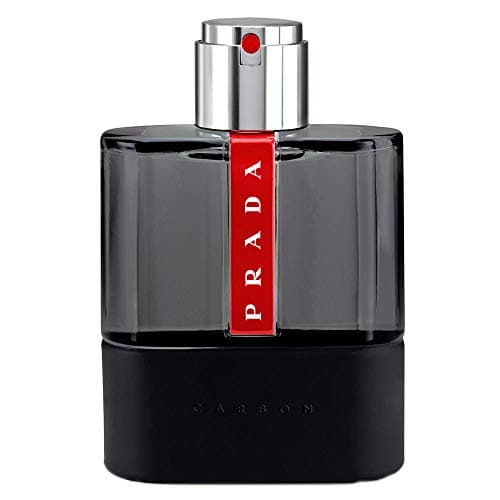
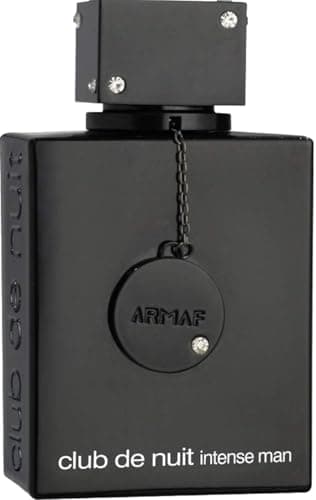
Three bottles that show the difference
The clearest way to understand these terms is to compare fragrances that sit at different points on the scale. The three below are all good, and they behave completely differently.