Spring is the only season that asks a fragrance to do two jobs in the same day. You leave the house at 45 degrees in a jacket and come home at 70 in shirtsleeves, and the bottle that smelled right at 8am can read heavy and syrupy by four in the afternoon. That is the whole problem this page solves, and it is why a spring list is not just a softer version of our summer roundup or a lighter version of the winter one.
Most "best spring cologne" lists are simply the summer list with the word swapped, which is exactly the mistake. A true summer scent is built to survive heat: bright, thin, aggressively fresh, engineered to stop it turning cloying when your skin is warm. Wear one of those on a cold April morning and it evaporates into nothing before your first meeting, because the same volatility that keeps it from suffocating you in August is what makes it disappear at 45 degrees. Fragrance lifts off skin in proportion to skin temperature, which is the single most useful physical fact in this whole category and the reason one bottle behaves like two different products across a 25-degree swing.
What actually changes in spring
Three things, and all of them push toward the same kind of bottle. First, the temperature moves within a single wear, so a scent that only works in one narrow band will fail half your day. Second, humidity climbs, and damp air carries scent further than dry winter air does, so the winter bottle that was merely present in January suddenly feels loud. Third, the setting moves outdoors — patios, walks, open windows — where scent disperses rather than pooling in a heated room, which is why a purely quiet skin scent can read as nothing at all.
Put those together and the spring brief writes itself. You want moderate projection rather than either extreme, a composition with some structure under the freshness so it does not vanish in the cold, and enough restraint that it does not turn heavy when the afternoon warms up. In practice that means an aromatic fougere, a fresh scent with a woody or lavender spine, or a light aquatic with something warm holding up the base. It rarely means a gourmand, and it almost never means a heavy oud or a cinnamon bomb.
The three-part test we used
- Range, not power. Does it still read correctly across a 25-degree swing? A scent that is perfect at one temperature and wrong at the other is a summer or winter bottle wearing the wrong label.
- Structure under the freshness. Lavender, woods, tonka or a soft amber underneath keeps a fresh top from evaporating into nothing on a cold morning.
- Manners outdoors and in. Spring means moving between a warm office and a cool street all day. Anything that becomes a cloud indoors is disqualified no matter how good it smells.
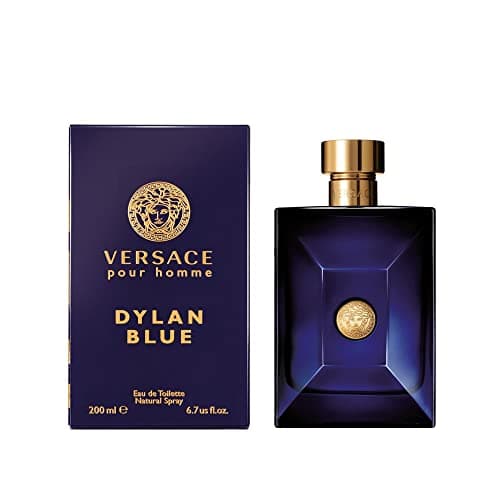
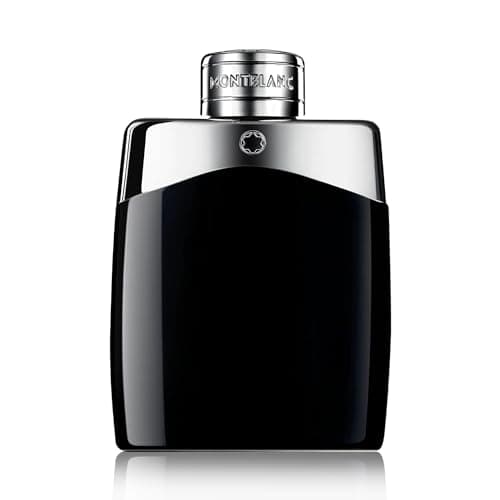
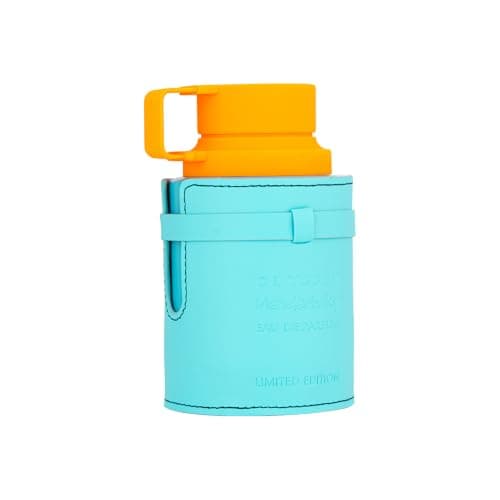
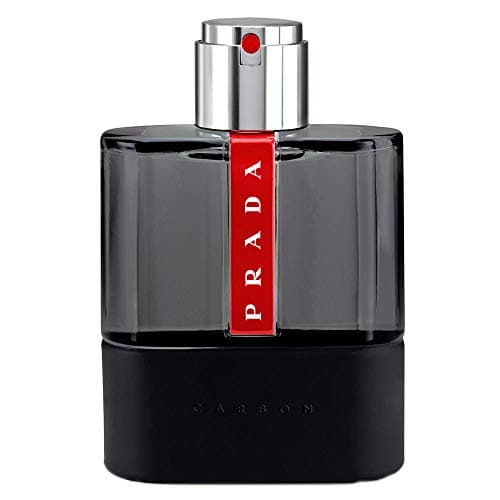
Four bottles cleared that bar. They are ranked on transitional range first and raw quality second, which is why the most adaptable scent here beats the one with the strongest projection. If you want the loudest possible bottle, that is the longest-lasting roundup, not this one. And if you are not yet sure which family suits you at all, read fragrance families explained before you spend anything.
How we picked these
We have not lab-tested any of these and we are not going to pretend otherwise. What we did was compile the published note breakdowns, read what large numbers of wearers consistently report about how each one behaves in cool versus warm air, compare live prices, and score each bottle against our published rubric with one column swapped for the season. Instead of scoring general versatility we scored transitional range: how well the scent holds its character across the 25-degree swing a spring day actually delivers. That single change is why the ranking differs from our all-season lists, where the same four bottles land in a different order.
Spring application: less in the morning, more later
The habit that makes spring work is splitting your application rather than front-loading it. Two sprays on a cold morning will project less than the same two sprays at noon, because warm skin releases the volatile top and heart notes faster. So apply lightly before you leave — one or two — and carry a decant or a travel atomizer for an afternoon top-up if you are going straight out. That gets a much better result than four sprays at 8am, which will be a cloud by lunch and gone by six.
Placement matters more in transitional weather too. Spraying onto a jacket you will take off at noon means your fragrance leaves with the jacket. Chest and neck keep it with you through the change; our guide to applying cologne covers the specifics, and how to make cologne last longer explains why moisturized skin holds a scent for hours longer than dry skin does.
The honest alternative: skip the spring bottle
Not everyone needs one. If you already own a good fresh scent and a good warm one, spring is the season where you simply use both — the warm bottle on cold mornings, the fresh one on mild afternoons — and you can spend the money on something you will wear more. A dedicated spring bottle is worth it when you want one grab-and-go option for two months and would rather not think about it. That is a legitimate reason to buy, but it is a convenience purchase, not a gap in your wardrobe. Our fragrance wardrobe guide lays out the order we would buy bottles in if we were starting again.