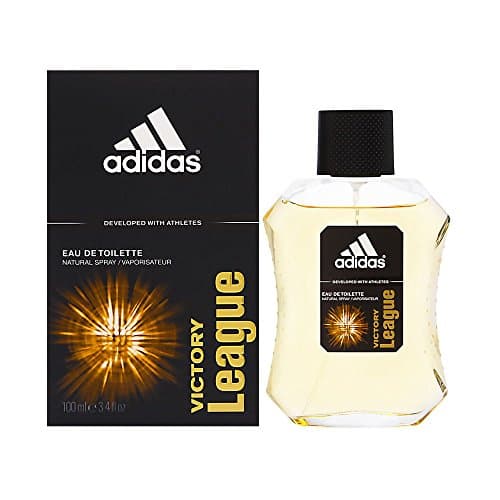
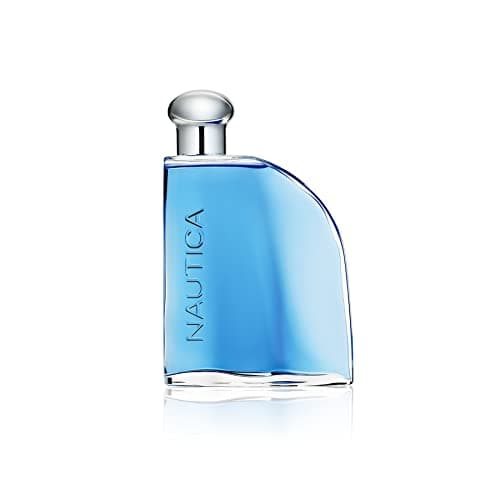
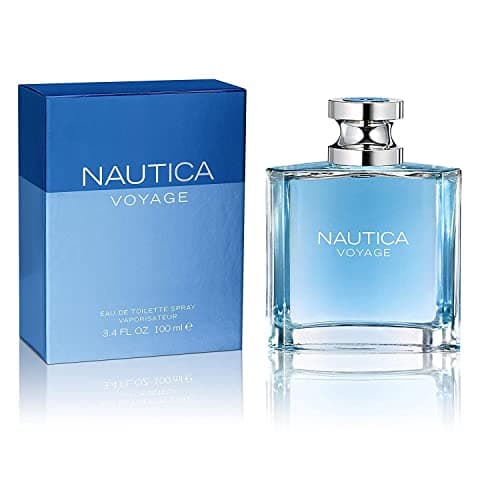
Body spray is a very dilute fragrance in an aerosol can, typically around 1 percent fragrance oil. Cologne - in the everyday sense of a real bottled fragrance, usually an eau de toilette - runs from about 5 to 15 percent. That is roughly five to fifteen times the concentration, and it is why one lasts twenty minutes and the other lasts an afternoon.
The upgrade from body spray to a real eau de toilette is the single biggest quality jump available in fragrance, and it is also one of the cheapest. A decent EDT costs about the same as two or three cans, and it will outlast all of them combined.
What actually differs
Concentration and longevity. Body spray is designed to smell strong for a short time and disappear - twenty minutes to an hour is normal, which is why people carry the can. An EDT will typically give you four to seven hours from one application.
Quality of materials. At a dollar a can, the aromatic materials are cheap synthetics chosen to be loud and immediately recognizable. A $20 eau de toilette can afford better materials and a more careful blend, which is why it smells rounder and less harsh.
Development. This is the difference people notice most once they make the switch. A body spray smells the same for its entire short life. A real fragrance moves through top, heart and base notes - it is a different thing at 9am and at 2pm. Our notes guide explains how that works.
The alcohol blast. Aerosol propellant plus a high alcohol ratio is what gives body spray its harsh, throat-catching first few seconds. A pump-spray eau de toilette has far less of it.
The cost-per-wear maths
Body spray looks cheaper and usually is not. A 4-ounce can used generously - and it has to be used generously, because it is so dilute - might last a few weeks. A 3.4-ounce bottle of eau de toilette at two or three sprays a day lasts many months. Per day of smelling good, the real fragrance is almost always the cheaper option, and it is a better one.
Does body spray have a place?
Yes, two. It is a reasonable gym-bag product - cheap, disposable, fine for a quick refresh after sport where you are not trying to smell sophisticated. And it is a sensible starting point for a young teenager who is not going to be careful with a $30 bottle.
What it is not is a substitute for fragrance. If you are old enough to be reading a page about the difference, you are old enough for the upgrade.
A note on deodorant
Body spray, deodorant and antiperspirant are three different products that often come from the same brands in similar cans. Deodorant controls odor-causing bacteria; antiperspirant reduces sweat; body spray does neither, it just adds scent. Using body spray instead of deodorant is a common mistake and it does not work. Use both, ideally in complementary scents rather than competing ones.
How to make the switch
Start cheap and fresh. The three bottles above are all real eau de toilettes in the $10-25 range, all in the clean, fresh lane that is easiest to wear and hardest to get wrong. Nautica Voyage is the default recommendation - it is one of the best budget fragrances made and it appears at or near the top of our under-$50 roundup and our beginner roundup.
Use far less than you are used to
This is the mistake everyone makes on the switch. Body spray is applied in long sweeps from a distance because it is so weak; a real fragrance is applied in two short sprays at close range. If you use an eau de toilette the way you used a can, you will be the person people can smell from the corridor. Two sprays, on the chest, and stop. Our application guide covers placement and spray count properly.
Where to go after the first bottle
Once you know you like wearing fragrance, the sensible next step is to find your direction rather than to spend more. Fragrance families explained will tell you whether you are a fresh, woody or sweet person, and a sampler set lets you test several before committing. If you are buying for a teenager, our teen roundup is built for exactly this transition.