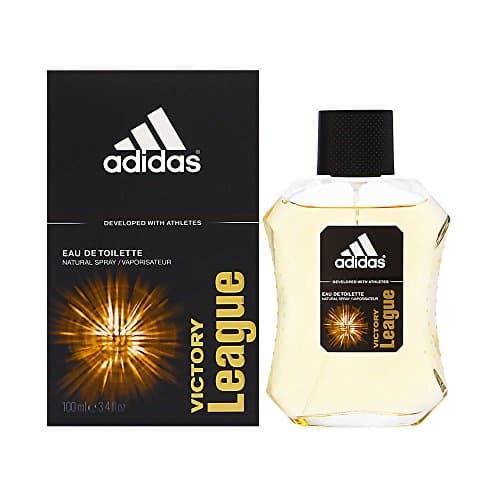
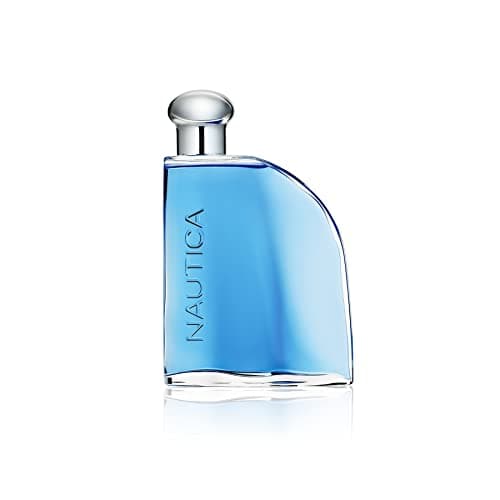
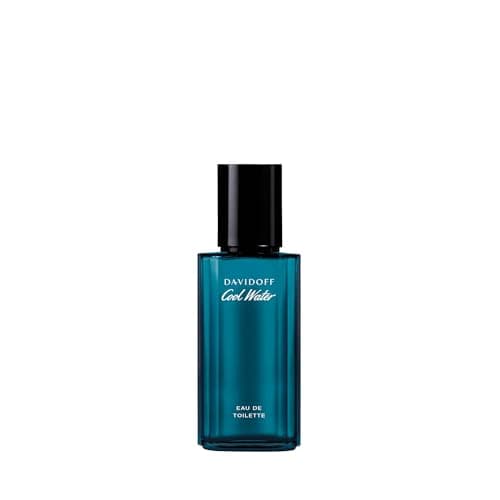
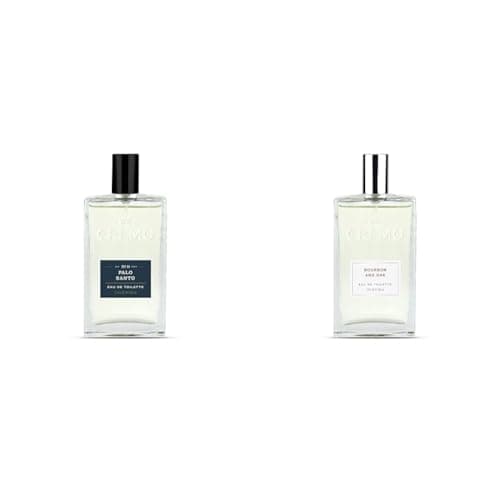
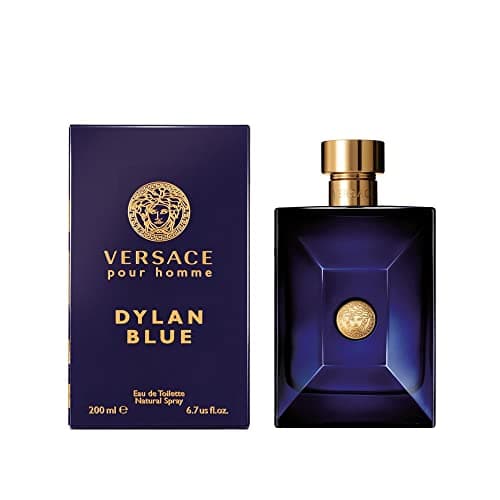
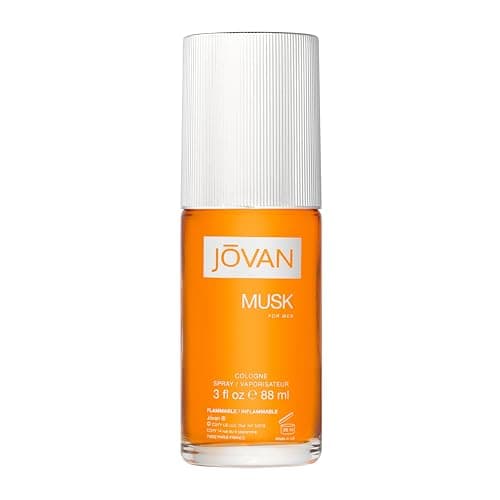
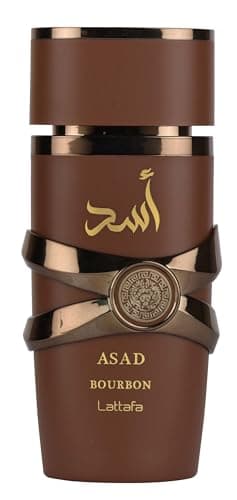
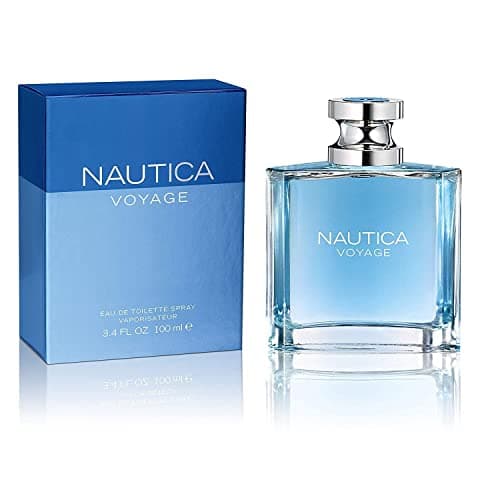
The best cologne for a teenage guy is fresh, cheap and hard to get wrong, and Nautica Voyage is the one we would hand almost anyone starting out. This list is not the "best colognes" ranked by quality — it is ranked for a very specific situation: a school or college environment, a small budget, and a wearer who has not yet learned that two sprays is the ceiling.
That last point drives the scoring. Alongside scent, value and versatility, we score two things you will not find on our other pages: age-appropriateness (does this read like a teenager or like a 45-year-old at a wedding) and forgiveness (what happens when you over-apply it, because you will). A brilliant, heavy, sweet EDP scores badly on both, which is why Lattafa Asad — a bottle we otherwise recommend constantly — finishes last.
Price is the other constraint. Everything in the top five costs less than a video game, and the top two cost less than a takeaway. That is deliberate: nobody should spend a hundred dollars on their first fragrance, because you do not yet know what you like, and the odds of picking your forever scent first time are low. If you want a wider set of cheap options, our under-$50 roundup covers the same ground for all ages.
One last thing, and it matters more than which bottle you pick: apply less. Two sprays. Chest or the base of the neck, not both plus wrists plus the air. The single most common complaint teachers and classmates make is not about a bad-smelling cologne — it is about too much of a good one. Our how to apply cologne guide takes about two minutes to read and will do more for you than any upgrade.
How we scored for teenage wearers
Our usual method — compiled note breakdowns, community performance reports, live prices, no lab testing and we say so — with two rubric changes specific to this page. Age-appropriateness asks whether the scent suits a young wearer in a school or campus setting, and forgiveness asks what happens on the fourth spray. Everything else is documented on how we review.
What a first cologne should be
Fresh, light and cheap. Fresh because clean-and-citrusy is the most universally liked direction there is; light because a young wearer is almost always in shared, enclosed spaces; cheap because your taste will change enormously over the next three years. The fragrances that get teenagers in trouble are the ones built on sweet amber, oud and tobacco — they are wonderful scents and they are simply too much for a classroom.
Cologne, body spray, and the upgrade
Most people start with an aerosol body spray, and the step up to a real eau de toilette is the single biggest quality jump you will ever make in fragrance — better materials, a proper development over time, and far less of that harsh alcohol blast. It also costs surprisingly little; two bottles on this list cost about the same as a multipack of body spray. We break the difference down properly in cologne vs body spray.
How to try before you spend
If you are choosing between three bottles, do not buy all three — buy a sampler set and wear each one for a full day. A scent smells different on your skin than on a card, and different again three hours later, which is why a ten-second sniff in a shop tells you almost nothing. It is also the cheapest possible way to avoid a bottle you never wear. If you want a slower, more structured route into the whole thing, start at our beginners hub.
Heading to college or into a first job? The brief changes, and so does the budget: our best colognes for men in their 20s is the next page up, built around the rotation problem rather than a single cheap bottle.
Several of the bottles here sit under twenty dollars, which is worth knowing if you are buying a first fragrance for someone who may well lose it. That whole price band is ranked separately, scored on whether a cheap bottle gives away what it cost, in best colognes under $20.
How we picked
We did not lab-test this gear
Everyone in this category says they tested twenty products. We have not lab-tested any of these, and we say so. What we did instead: compiled the published specifications, decoded the ingredient (INCI) lists active by active, ran the math where there was math to run, and scored each product against a published rubric. The scores are judgments from documented research — not measurements we took, because we do not have a lab and we will not pretend we do. Where a number came from someone else's work, we name them in Sources.