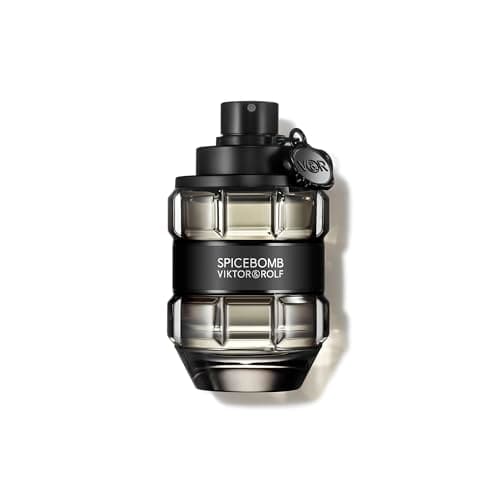
Spicebomb is one of the few designer fragrances we would call genuinely well-composed rather than merely effective. Created by Olivier Polge and released in 2012, it was pitched as the masculine counterpart to Viktor & Rolf's Flowerbomb, built on the premise that spices do for men's fragrance what florals do for women's. The result is a cinnamon-and-leather scent that has been on winter recommendation lists for well over a decade, and deservedly so.
The catch is in the word winter. This is a specialist, priced like an all-rounder, and the single most common mistake people make with it is buying it in the autumn for year-round use. We rank it fourth in our fall roundup for exactly that reason, and near the top in winter.
The notes
The published pyramid lists pink pepper, elemi, bergamot and grapefruit up top; cinnamon, saffron and paprika in the heart; and tobacco, leather and vetiver in the base. The house describes the composition as two opposed accords — a fiery one built on chili, saffron, leather, tobacco and vetiver, and a cold, bright one built on bergamot, grapefruit, elemi and pink pepper — deliberately set against each other.
On skin that reads as a bright, peppery citrus opening that lasts a surprisingly short time before the spice arrives properly: cinnamon first, then a dry saffron-and-paprika warmth that is much less sweet than people expect from the name. The dry-down is where it becomes genuinely good, with tobacco and leather giving it a dry, slightly smoky depth that almost nothing else at this price achieves. For how its cinnamon and saffron differ from cooler spices like cardamom and pink pepper, see our best spicy colognes roundup.
Performance
Compiled from published specifications and consistent wearer reports rather than our own testing: Spicebomb performs well above the average eau de toilette, with most people getting a solid working day of wear and strong projection in the first several hours. Spice materials are tenacious, and it shows.
That tenacity is why spray count matters more here than with almost anything else we cover. Two sprays in cold air is correct. Three is loud. Four in a heated room is genuinely antisocial, and because the spices sit heavily in the heart rather than the top, the intensity you smell at application is not the intensity other people will experience an hour later. If projection vocabulary is new to you, our sillage and projection guide covers it.
When it works, and when it does not
Cold, dry air is where this belongs, and in those conditions it is excellent: the cold suppresses how much lifts off your skin, so the spice reads rich and controlled instead of hot. Evening events, cold-weather dates, winter dinners out — it is on our date-night list for good reason.
Where it fails is everything else. Mild autumn afternoons make it feel excessive. Real heat makes it close to unwearable. A heated office is out of the question, and even a restaurant table in winter is a two-spray maximum situation. If you need one bottle that covers most of your life, buy something from our master roundup instead and add this later.
Is it worth it?
It depends entirely on how many bottles you own. As a second or third fragrance, sitting alongside a fresh daily scent, Spicebomb is one of the most rewarding designer purchases in this category — distinctive, well-built, and something you will genuinely look forward to wearing when the weather turns. As a first or only bottle, it is a poor decision at full price, because you will spend most of the year not reaching for it.
There is also a value question worth being straight about. The spiced-warm lane is exactly where budget houses compete hardest, and bottles like Lattafa Khamrah deliver comparable cold-weather warmth and longevity for a fraction of the money. What Spicebomb has over them is refinement: the dry, smoky tobacco-leather base is more polished than anything the budget shelf currently offers in this style. Whether that polish is worth the difference is a genuine judgment call, and we would not argue with anyone who said no.