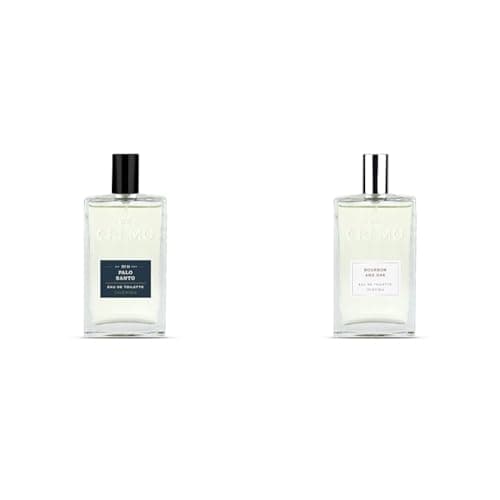
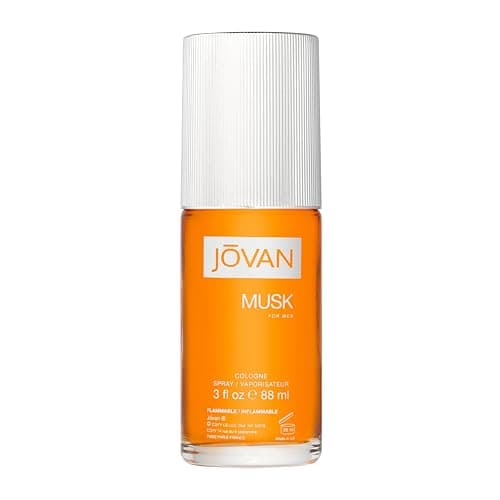
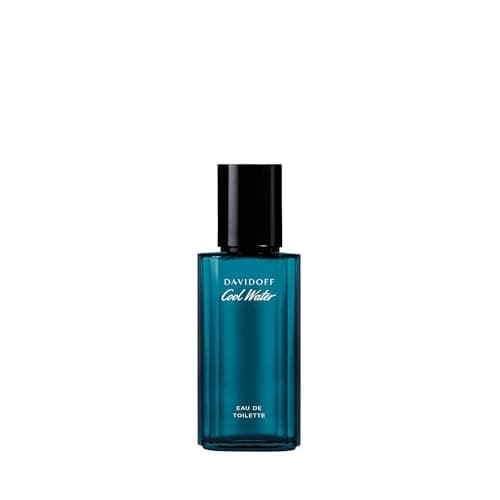
Eau de cologne contains roughly 2 to 4 percent fragrance oil; eau de toilette contains roughly 5 to 15 percent. That is the entire difference. An EDT is around two to three times more concentrated, which is why it smells stronger, lasts several hours longer, and generally costs more per ounce.
The confusing part is that in everyday American English, "cologne" is also used loosely to mean any men's fragrance. When someone says "what cologne do you wear," they are not asking about concentration. But on a label, "eau de cologne" or just "cologne" is a specific technical term for the lightest concentration in the family - and that is the sense this page is about. Our cologne vs perfume guide untangles the everyday usage.
What the concentrations actually mean
Every fragrance is perfume oil dissolved in alcohol and a little water. The percentage of oil is the concentration, and it determines almost everything else about how a bottle behaves.
Eau de cologne (EDC), roughly 2-4% oil. The lightest of the mainstream strengths. Expect a bright, immediate impression that sits close to the skin and fades within about two to three hours. Traditionally splashed on liberally rather than sprayed sparingly.
Eau de toilette (EDT), roughly 5-15% oil.The most common strength in men's fragrance by a wide margin. Expect four to seven hours of wear, real projection in the first hour or two, and a proper development through top, heart and base. Most of the bottles we recommend across the site are EDTs.
Those ranges are industry conventions rather than regulations, which is the honest caveat. No law requires a bottle labeled EDT to hit a specific percentage, and houses vary. That is why a well-built EDT like Dior Sauvage can outlast a weakly built eau de parfum, and why the label is a strong hint rather than a guarantee.
How much longer does EDT last?
Roughly double, in practice. A cologne-strength product typically gives you two to three hours of clear wear; an EDT typically gives you four to seven. Both figures move a lot with the specific fragrance and with your skin - dry skin holds fragrance markedly worse than moisturized skin, which is the variable people most often ignore.
The other difference is character. Because a cologne evaporates faster, you experience mostly the top and early heart notes; an EDT gives you the full arc into the base. If a fragrance's appeal lives in its dry-down, the cologne version will feel like an abbreviated edit of it.
Which should you buy?
Buy an EDT if you want one bottle to cover a day, if you want the fragrance to develop, or if you want any real projection. This is the right default for nearly everyone, and it is why the vast majority of picks in our best cologne roundup are EDTs.
Buy a cologne strength if you want something very light and refreshing for hot weather, if you work somewhere scent-sensitive, if you like to reapply through the day, or if you are new to fragrance and nervous about wearing too much. Cologne strength is genuinely hard to overdo, which is a real advantage.
Price: it is not as simple as strength
Per ounce, higher concentrations usually cost more, because oil is the expensive part. But brand markup dwarfs concentration in the final price: a designer EDT routinely costs several times an equally well-made clone-house eau de parfum. If value per hour of wear is what you care about, concentration is a weaker signal than brand - our under-$50 roundup makes that point repeatedly.
How to apply each
An EDT wants two or three sprays on the chest and neck; more than four is usually too many indoors. A cologne-strength product can take more - it is designed to be used generously and traditionally was splashed rather than sprayed - but the trade is that you will be reapplying at lunchtime. Neither should be rubbed in; rubbing crushes the top notes and shortens the whole thing. Our application guide covers this properly, and making a scent last longer matters more with lighter concentrations.
The wider scale
Cologne and EDT are the bottom two rungs of a four-step ladder that continues through eau de parfum (roughly 15-20% oil) and parfum or extrait (20% and above). Our full concentrations guide has the complete table, and cologne vs eau de parfum covers the biggest jump on the scale.
Same name, different strengths
Many popular fragrances exist in several concentrations under the same name - an EDT, an EDP and sometimes a parfum - and they are not simply louder versions of each other. Houses usually reformulate as they concentrate, adding warmth and sweetness to the stronger versions. If you loved the EDT, do not assume you will love the EDP; sample it first. Our try-before-you-buy guide explains how.
If the comparison you actually need is one step up the scale — eau de toilette against eau de parfum, which is the choice most buyers face in a shop — that is covered in eau de parfum vs eau de toilette.