Skip to content
Vetiver & Vale

Education · Guides

Eau de parfum vs eau de toilette

Same name on the box, different amount of fragrance in the bottle. The rule is simple, and the exception to it is the part that saves you money.

By Stephen V.Updated How we review
#ad

We earn a commission when you buy through our Amazon links, at no extra cost to you. It never changes a verdict, and we say so when the cheaper product is the better buy. How this works.

Eau de parfum is stronger and lasts longer than eau de toilette, because it contains more fragrance oil— roughly 15–20% against 5–15%. If a fragrance comes in both and you can afford either, buy the eau de parfum: you will use fewer sprays per wear, so the gap in real cost is smaller than the gap in price. The three situations where the eau de toilette is the better buy are heat, shared rooms and a bottle you have never smelled — and we will explain each one below.

This is the single most common point of confusion in the whole category, and almost all of it comes from one thing: these are not different products. An eau de parfum and an eau de toilette of the same fragrance are the same perfume oil at two different strengths in alcohol, which is why they smell related but not identical. We cover the whole scale, including parfum and eau de cologne, in fragrance concentrations explained; this page is just the two rungs people actually have to choose between.

The difference, in one table

Eau de parfum (EDP)Eau de toilette (EDT)
Fragrance oil~15–20%~5–15%
Typical wearMost of a dayHalf a day, often less in heat
Sprays per wearTwo is a doseThree or four is normal
ProjectionStronger and lasts longer into the wearOften loud early, then close to the skin
OpeningHeavier; the base notes arrive soonerBrighter and crisper on top
Price for the same bottle sizeHigherLower
Best forCold weather, evenings, long daysHeat, offices, cars, trying something new

Two things in that table surprise people. The first is that an EDT is often louder in the first ten minutesthan the EDP of the same scent. More alcohol means faster evaporation, which throws the top notes off your skin harder and then leaves less behind. Strength over a day and strength in the first minute are not the same measurement. The second is that the EDP of a fragrance can smell noticeably different rather than simply bigger — houses often reformulate between concentrations rather than just adding oil, so the EDP version may lean warmer or sweeter than the EDT you liked.

Why the EDP is usually the better buy anyway

The arithmetic that nobody does: you do not buy fragrance by the bottle, you buy it by the wear. An EDP that needs two sprays and an EDT that needs four get through a 3.4 oz bottle at very different rates, so an EDP priced 30–40% higher can easily work out level or cheaper per day. Add that an EDP is less likely to leave you unscented by 3pm — which is the actual complaint people have about fragrance — and the default recommendation is straightforward.

There is a second, less obvious reason. Concentration is the one specification on a fragrance box that is both standardised enough to be useful and impossible to fake. Brand prestige tells you nothing about how long something lasts; the letters EDP tell you a great deal. This matters most at the budget end, where a value-house EDP will routinely outlast a designer EDT costing four times as much — which is the whole reason our under $20 roundup is won by an eau de parfum.

The three times to buy the EDT instead

Heat.Warm skin accelerates evaporation and amplifies sweetness and density. A fragrance that is beautifully judged at 45°F can be overwhelming at 85°F, and the lighter concentration is the fix. In real summer the EDT of a scent is often not a compromise but the better-behaved version of it. The seasonal rankings are on best summer colognes.

Shared air.Offices, cars, lifts, meetings. The thing that makes an EDP good value — it keeps projecting for hours — is precisely what makes it a liability in a room other people cannot leave. An EDT at three sprays gives you a scent you can smell and your colleagues mostly cannot, which is the correct outcome. See best colognes for the office.

A bottle you have never smelled.If you are buying blind, buy the weaker concentration. A fragrance you turn out to dislike is a smaller mistake in EDT, and a scent you are unsure about is easier to learn at lower volume. Better still, do not buy a full bottle at all until you have worn it for a day — the cheap ways to do that are in how to try cologne before buying.

What to look for on the box

The concentration is printed on every bottle and every legitimate listing, usually in small type near the volume. Read it before you read anything else. A few traps worth knowing:

  • "Parfum" on a designer bottle usually means extrait de parfum, the rung above EDP at roughly 20–40% oil. It is stronger again and should be dosed at one spray.
  • "Intense," "Elixir," "Absolu" and "Extreme" are marketing words, not concentrations. They often are stronger, but the only reliable signal is the EDP/EDT line, and some flankers carrying those names are different fragrances entirely rather than stronger versions of one.
  • "Cologne" is ambiguous in American English.On a label it means eau de cologne, the lightest rung at roughly 2–5% oil. In conversation it just means men's fragrance. We untangle that in cologne vs eau de parfum and cologne vs eau de toilette.
  • A big bottle at a low price is usually a low concentration. That is not a scam; it is the honest trade. Just know which one you are buying.

The three bottles below are one of each rung — an EDP, an EDT and an eau de cologne — chosen so you can hear the difference the scale makes rather than just read about it. They are not three versions of one scent, because nothing on our registry comes in all three; they are three fragrances that are each a clear example of what their concentration does.

The short answer

Quick picks

#ProductBest forScorePrice
01
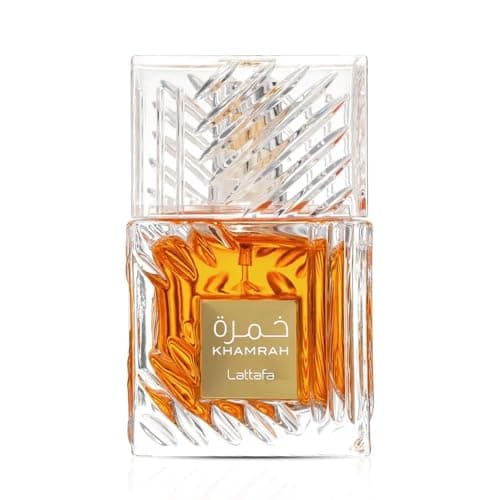
Lattafa Lattafa Khamrah
Lattafa Khamrah

What eau de parfum concentration buys you, at a budget price: boozy cinnamon, dates and vanilla that is still there at the end of the day on two sprays.

The EDP example
8.0
$33.99Amazon
02
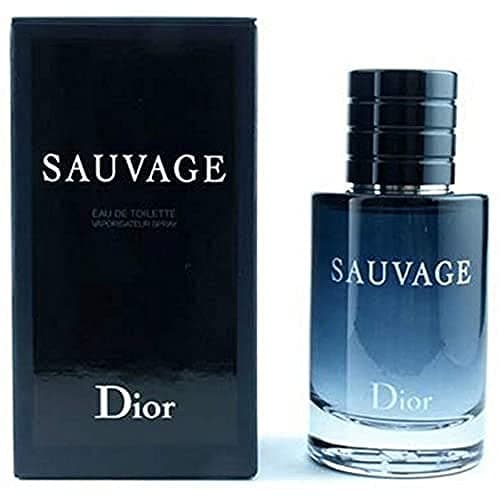
Dior Dior Sauvage
Dior Sauvage

What eau de toilette does well: bright, crisp and strong on top, versatile across rooms and seasons, and in need of three or four sprays rather than two.

The EDT example
7.8
$134.50Amazon
03
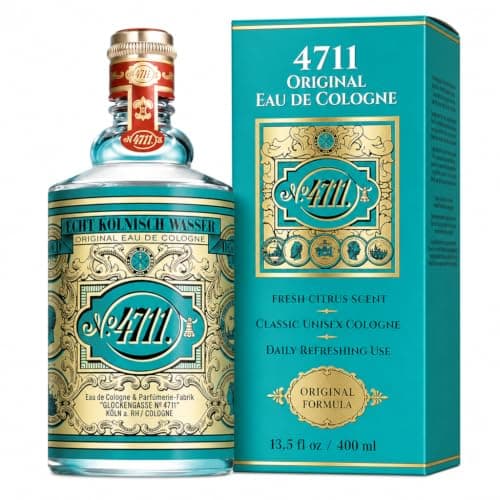
4711 4711 Original Eau de Cologne
4711 Original Eau de Cologne

The bottom of the scale, included so the top makes sense: real eau de cologne at roughly 2-5% oil. Bright, almost silent, and gone in an hour or two by design.

The eau de cologne example
6.4
$26.66Amazon

#ad · Live prices from the Amazon Product API, as of October 18, 2026. Where we have no verified live price, we show none — a gap beats a number that has rotted.

In detail

The picks, in full

01
Lattafa Lattafa Khamrah

The EDP example

Lattafa Khamrah

EDP3.4 oz~15-20% oilSpiced date / vanilla
8.0/10

What eau de parfum concentration buys you, at a budget price: boozy cinnamon, dates and vanilla that is still there at the end of the day on two sprays.

Scent
8
Longevity
9
Projection
9
Versatility
5
Value
9

Pros

  • A textbook demonstration of what the EDP rung does - long wear and strong projection from a two-spray dose
  • A genuinely distinctive spiced-boozy profile rather than a generic sweet designer shape
  • Priced like a budget bottle and performs like a designer one, which is the concentration-over-brand point of this page
  • Full 3.4 oz bottle, so the cost per wear is very low given how little you need per application

Cons

  • Very sweet; two sprays is already a commitment and this is the bottle that teaches you why EDP dose discipline matters
  • Cold weather only - it becomes heavy and cloying in heat, which is the first of the three EDT exceptions above
  • Not office-appropriate in a heated shared room, which is the second
  • Popular enough now that it is no longer a secret

Don't buy this if…

…you want one versatile bottle for all seasons, or you dislike sweet spiced fragrances

If you want to understand the EDP rung in one purchase, this is it. Khamrah is the bottle that turned Lattafa from a bargain-bin curiosity into a house people take seriously, and the reason is almost entirely concentration: it performs like something four or five times the price because there is simply more fragrance in each spray. It also demonstrates the cost of that honestly — it is one of the least versatile fragrances we cover, and the versatility score above says so. Full detail in the Lattafa Khamrah review.

$33.99View on Amazon

Price as of October 18, 2026. Prices change — Amazon's at checkout is the one that counts.

#ad · we may earn a commission from this link to Lattafa Khamrah

02
Dior Dior Sauvage

The EDT example

Dior Sauvage

EDT3.4 oz~5-15% oilFresh spicy
7.8/10

What eau de toilette does well: bright, crisp and strong on top, versatile across rooms and seasons, and in need of three or four sprays rather than two.

Scent
8
Longevity
8
Projection
9
Versatility
8
Value
6

Pros

  • A genuine crowd-pleaser that reads clean and modern, and the clearest mainstream example of what the EDT rung is for
  • Strong projection and solid longevity for the concentration
  • Works for the office, dates and casual days alike - the versatility that the lighter concentration buys
  • Sold alongside EDP and Parfum versions, so it is also the easiest fragrance in the world to compare rungs with in a shop

Cons

  • Needs more sprays per wear than an EDP, so a bottle goes faster than the price difference suggests
  • Extremely widely worn - it is the default fresh designer scent and has been for a decade
  • Designer-priced, which is why it scores worst of the three on value
  • The EDP and Parfum versions are not simply stronger - they lean different, which is the reformulation point made above

Don't buy this if…

…you want all-day wear from two sprays, or you want a fragrance nobody around you is wearing

Sauvage is on this page partly because it is good and mostly because it is the most useful teaching example available: it is sold as an eau de toilette, an eau de parfum and a parfum, so it is the one fragrance where a reader can walk into a shop and smell all three rungs of this page's scale side by side on the same base. Do that if you get the chance — it is worth more than any amount of reading, and it is where most people discover that the EDP is not simply the EDT turned up. Our full assessment is in the Dior Sauvage review, and the honest question of whether it is worth the money is in is Dior Sauvage worth it.

$134.50View on Amazon

Price as of October 18, 2026. Prices change — Amazon's at checkout is the one that counts.

#ad · we may earn a commission from this link to Dior Sauvage

03
4711 4711 Original Eau de Cologne

The eau de cologne example

4711 Original Eau de Cologne

Eau de Cologne13.5 oz splash~2-5% oil1792
6.4/10

The bottom of the scale, included so the top makes sense: real eau de cologne at roughly 2-5% oil. Bright, almost silent, and gone in an hour or two by design.

Scent
8
Longevity
3
Projection
3
Versatility
8
Value
10

Pros

  • A true eau de cologne rather than a marketing use of the word, which makes it the clearest demonstration of the bottom rung
  • Bitter citrus, rosemary and lavender that read as pure relief on hot skin
  • Almost no projection - genuinely usable in the situations where an EDP would be a problem
  • Meant to be used generously, and the price per ounce allows it: the cheapest of the three per millilitre by a very wide margin
  • Unisex and close to impossible to offend anyone with

Cons

  • Gone in an hour or two, which is the honest cost of the concentration and the whole reason the EDP rung exists
  • A 13.5 oz splash bottle with no atomizer - not something you travel with
  • A refresher rather than a signature scent, and buying it as the latter is a mistake
  • Scores lowest here on longevity and projection by design, not by failure

Don't buy this if…

…you want a fragrance that lasts, or you want one bottle to be your signature

Included as the control. It is hard to appreciate what 15–20% oil does until you have smelled 2–5%, and 4711 has been the reference for the bottom of this scale since 1792. Its low score here is not a criticism: a fragrance that is bright for an hour and then silent is the correct product after a workout or on a hot afternoon, and the two columns it fails are exactly the two it is not trying to win. Full history in the 4711 cologne review.

$26.66View on Amazon

$27.995% off

Price as of October 18, 2026. Prices change — Amazon's at checkout is the one that counts.

#ad · we may earn a commission from this link to 4711 Original Eau de Cologne

If a fragrance you like comes in both

Smell both before you decide, and smell them an hour in rather than off the sprayer. The EDT will usually be brighter and sharper at the start, which makes it more appealing in a shop, and the EDP will usually be the one still working after lunch, which makes it more appealing in life. Shops reward the first thing; your day rewards the second. If you cannot smell both, buy the EDP for autumn and winter and the EDT for spring and summer, and you will be right most of the time.

One real caveat: because houses frequently reformulate between concentrations rather than just diluting, the EDP of a scent you love can be a scent you do not. Sweeter, heavier and more amber-leaning is the usual direction. This is the single most common way people waste money on an "upgrade," and the only defence is to try it.

Dose by concentration, not by habit

The number of sprays that is correct for you is not a personal setting; it is a function of what is in the bottle. A workable rule:

  1. Extrait / parfum: one spray, on the chest.
  2. Eau de parfum: two sprays. Three if it is a quiet one and the weather is cold.
  3. Eau de toilette: three or four sprays.
  4. Eau de cologne:as much as you like — that is what the big bottle is for.

The most common fragrance mistake is carrying an EDT habit over to an EDP bottle, which is how someone who has been perfectly pleasant for years suddenly becomes the person you can smell from the corridor. Where to spray and why is in how to apply cologne, and if your problem is the opposite — nothing lasts — start with how to make cologne last longer.

Does the EDP always cost more per wear?

No, and this is the part worth doing on a calculator before you decide. Take the live price of each version, divide by the bottle size in millilitres, then multiply by the number of sprays you actually need. An EDP at a 35% premium that you use at half the rate is cheaper per day. An EDP at double the price that you use at two-thirds the rate is not. The reason we publish live date-stamped prices on every card is so that sum uses today's numbers rather than a list price nobody pays. The broader version of this thinking is in how much should you spend on cologne.
How we picked

We did not lab-test this gear

Everyone in this category says they tested twenty products. We have not lab-tested any of these, and we say so. What we did instead: compiled the published specifications, decoded the ingredient (INCI) lists active by active, ran the math where there was math to run, and scored each product against a published rubric. The scores are judgments from documented research — not measurements we took, because we do not have a lab and we will not pretend we do. Where a number came from someone else's work, we name them in Sources.

Questions

Frequently asked

What is the difference between eau de parfum and eau de toilette?
The amount of fragrance oil. Eau de parfum carries roughly 15–20% oil and eau de toilette roughly 5–15%, so the EDP is stronger and lasts longer from fewer sprays. They are the same perfume at two strengths, not two different products — though houses often adjust the formula between them, so the EDP can smell warmer rather than simply bigger.
Is eau de parfum worth the extra money?
Usually yes, because you use fewer sprays per wear, so the real cost per day is closer than the shelf prices suggest and you are less likely to be unscented by mid-afternoon. The exceptions are hot weather, shared offices and blind buys, where the lighter concentration is genuinely the better product.
Which lasts longer, EDP or EDT?
EDP, by a few hours in most cases. An EDT can be louder in the first ten minutes, because more alcohol throws the top notes off your skin faster, but it leaves less behind. Strength in the first minute and strength over a day are two different things.
How many sprays of EDP vs EDT should I use?
Two sprays of an eau de parfum, three or four of an eau de toilette. One spray of an extrait or parfum. Carrying an EDT habit over to an EDP bottle is the most common way people over-apply without realising it.
Does EDP smell the same as EDT?
Related, but often not identical. Because houses frequently reformulate between concentrations rather than just adding oil, the EDP version tends to lean warmer, sweeter and more amber-ish, and the base notes arrive sooner. If you love the EDT, try the EDP before you upgrade rather than assuming it is the same scent turned up.
Is eau de parfum too strong for the office?
It can be, and that is the main case for buying the EDT. The thing that makes an EDP good value — hours of continued projection — is a liability in a room nobody can leave. Two sprays of a quiet EDP is usually fine; our office ranking is built for exactly this constraint.

Keep reading

Receipts

Sources

We do not run a testing lab, and we do not pretend to. Where a measured number came from someone else's work, we name them and link them. Where we could not verify something, we say so on the page rather than quietly leaving it out. Read our full method.