For most people the right answer is $25 to $40. That band buys a full-size eau de parfum with designer-grade performance from a value house, and it is where the price-to-quality curve is steepest. Below about $20 you are usually paying for volume rather than quality; above about $100 you are paying for refinement, brand and the object, all of which are legitimate and none of which make a fragrance smell better from four feet away.
The reason this question is hard is that fragrance prices do not behave like most product prices. A bottle at four times the money is not four times better, and sometimes it is not better at all — while the difference between a $9 bottle and a $25 one is enormous. The curve is steep at the bottom and almost flat at the top.
The cost-per-wear math nobody does
Sticker price is the wrong number. What you actually spend is price divided by wears, and the arithmetic is simple enough to do in your head.
A standard fragrance atomiser delivers roughly 0.1 ml per spray. That is an approximation, not a measurement we have taken, but it is the figure the industry works to and it is close enough for a buying decision. So a 100 ml bottle holds on the order of 1,000 sprays. At two sprays per wear, that is around 500 wears per bottle.
Run that against real prices and the picture changes. A $130 designer bottle at 500 wears costs about 26 cents a wear. A $25 value-house bottle costs about 5 cents. Both numbers are trivially small next to almost anything else you spend money on daily — which is the honest reason the "is it worth it" question is less about the money than it feels. The real cost of a bad purchase is not the dollars; it is owning 100 ml of something you do not enjoy wearing.
Two things break the math. Small bottles: a 50 ml bottle at two-thirds the price of a 100 ml is a worse deal, and the pheromone-marketed and direct-to-consumer end of the market leans heavily on 50 ml. And heavy application: if you spray six times, you have just tripled your cost per wear and probably made the fragrance worse.
What each tier actually buys
| Tier | What you get | What you give up |
|---|
| Under $20 | Clean, simple, inoffensive drugstore fragrance; often EDT or cologne strength | Depth, development and wear time |
| $20-$40 | Full-size value-house EDP; designer-grade projection and longevity | A rougher opening and a flatter drydown |
| $40-$100 | Discounted designers and the best of the value houses; better blending | Little - this is the versatility sweet spot |
| $100-$200 | Current designer releases: refinement, development, presentation | Nothing measurable in performance terms |
| $200+ | Niche houses: unusual materials, originality, exclusivity | Value, in any ordinary sense of the word |
How to decide what to spend
- Count the bottles you will own, not the one you are buying. Two bottles at $35 covers more of your life than one at $130, because no single fragrance is right for both a meeting and a date.
- Spend more on the one you wear daily. If a bottle gets 200 wears a year, refinement is worth paying for. A once-a-month winter statement is not where the money belongs.
- Never spend a lot unsmelled. Above about $60, sample first. A $10 sample set that prevents one bad $130 purchase has paid for itself ten times.
- Ignore the per-ounce trap. Bigger bottles are cheaper per millilitre and worthless if you do not like the scent in them.
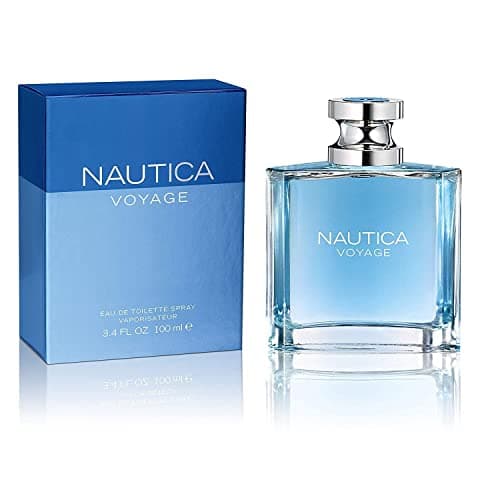
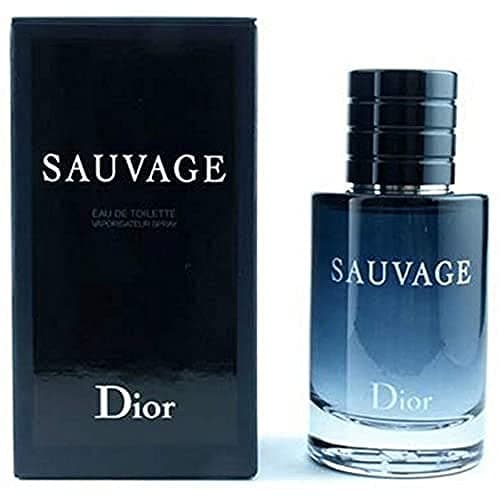
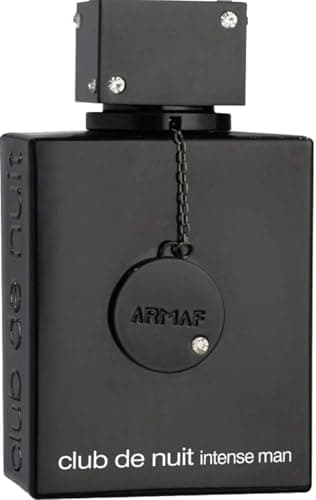
One pick per tier below — the bottle we would actually buy at $20, at $35 and at designer money.
Where the curve flattens, and why
Up to about $40 you are buying performance: more perfume oil, a full-size bottle, notes that last. That is a real, audible difference and it is why the bottom of the curve is so steep.
From roughly $40 to $150 you are buying finish. Better-blended openings, drydowns that develop rather than flatten, materials that smell rounder. Real, but a smaller difference than the price gap implies, and largely inaudible to people standing near you.
Above that you are buying originality, materials with genuine rarity and the object itself. All legitimate, none of them performance. Our niche versus designer guide is the long version of this argument.
The spending plan we would actually recommend
Buy a sampler set first. Then buy one versatile bottle in the $25-$40 band and wear it for a season. Only then consider a designer purchase, and make it the fragrance you will wear most days rather than the most impressive one you can afford. That order costs less and ends with a better wardrobe than the usual sequence, which is buying the expensive bottle first and discovering it is wrong for your actual life. Our fragrance wardrobe guide sets out the full sequence.
How to pay less for the same bottle
Nothing in this guide argues for paying retail. Discounters, decants and sales routinely take 30 to 50 percent off a designer price, and the cost-per-wear math above gets considerably more flattering when you do. Our how to save money on cologne guide covers the tactics, and where to buy cologne covers which sellers are safe. If you are shopping a specific budget, our under $50 and under $100 roundups are built around exactly these bands.
How we picked
We did not lab-test this gear
Everyone in this category says they tested twenty products. We have not lab-tested any of these, and we say so. What we did instead: compiled the published specifications, decoded the ingredient (INCI) lists active by active, ran the math where there was math to run, and scored each product against a published rubric. The scores are judgments from documented research — not measurements we took, because we do not have a lab and we will not pretend we do. Where a number came from someone else's work, we name them in Sources.