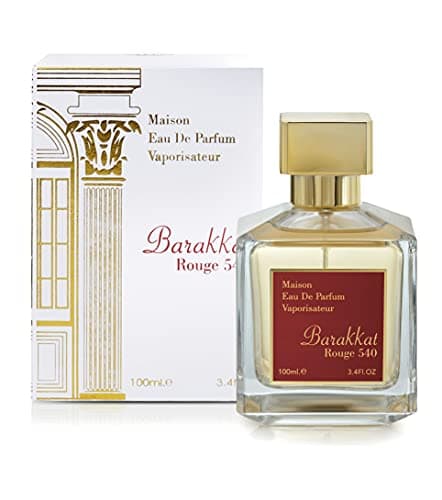
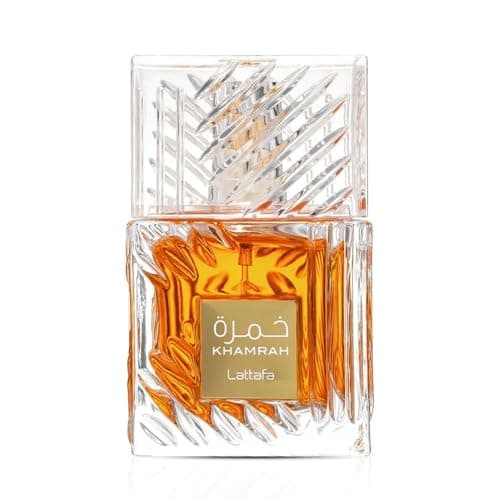
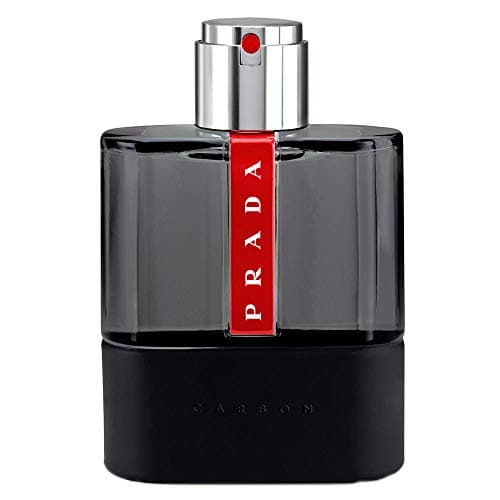
The short answer: designer fragrance is made by a fashion or beauty house and built to sell in volume to a broad audience. Niche fragrance is made by a specialist perfume house, distributed narrowly, and built to appeal strongly to a small audience rather than mildly to a large one. The price gap is real, the quality gap is smaller than the price gap, and neither is automatically better.
That is the whole thing. What follows is the detail that decides whether the upgrade is worth your money, because the honest answer is "sometimes."
The actual differences
| Designer | Niche |
|---|
| Made by | Fashion or beauty house, usually via a licensee | Specialist perfume house, often independent |
| Sold in | Department stores, pharmacies, online, everywhere | Selected boutiques and the house's own channel |
| Audience brief | Liked by as many people as possible | Loved by a specific person, ignored by the rest |
| Typical price | Discounted heavily; street price well below list | Rarely discounted; the list price is the price |
| Material budget | Constrained by volume economics | Higher per bottle, especially on naturals |
| Risk appetite | Low - a strange fragrance is a commercial failure | High - strangeness is often the selling point |
What the extra money is really paying for
Four things, in descending order of how much they matter to a normal buyer.
- Distribution economics. This is the biggest single factor and almost nobody mentions it. A designer bottle passes through a licensee, a distributor and a retailer, all of whom take a margin, and it is discounted aggressively at the end. A niche house often sells direct at full price. Two bottles with identical ingredient costs can differ enormously in price for reasons that have nothing to do with what is inside.
- Material quality and quantity.Real, and most audible in the top notes and in naturals — genuine sandalwood, good iris, real oud. A niche house building a fragrance around an expensive natural can afford to; a designer house shipping millions of units generally cannot.
- Willingness to be difficult. Niche houses release fragrances that smell of leather, petrol, incense, blood orange peel and wet stone. Designer houses do not, because those bottles do not sell in a department store. If you want something genuinely unusual, this is the real reason to shop niche.
- Exclusivity. Nobody else in the room will be wearing it. Whether that is worth two hundred dollars is a question about you, not about perfumery.
What the extra money does NOT buy
Be clear about this, because it is where most of the disappointment comes from.
- Longevity. Plenty of expensive niche fragrances are eau de toilette strength and fade in four hours. Several sub-$30 clone house bottles on this site will outlast almost anything. Performance correlates with concentration and base materials, not with price.
- Compliments. Frequently the opposite. Complex, unusual fragrances are admired by people who know fragrance and ignored by everyone else. Our best smelling colognes list is almost entirely designer and budget bottles, for exactly this reason.
- Wearability. The average niche bottle is harder to wear to work than the average designer one, by design.
The third category nobody names
There is a whole tier between the two that the niche-vs-designer framing ignores: the Middle Eastern houses. Lattafa, Armaf, Rasasi, Al Haramain and Maison Alhambra operate on niche-style economics — direct distribution, heavy concentrations, willingness to be strange — at budget prices, because their production costs are lower and they do not carry a fashion license. Our best Arabic colognes roundup ranks the strongest bottle from each of those houses.
The result is that a lot of what people think they want from niche — density, longevity, unusual accords, something nobody else is wearing — is available for twenty five dollars. It will be less refined in the transitions and less consistent between batches. Whether that gap is worth ten times the money is the honest question, and our are cologne clones worth it piece works through it.
When niche is worth it
Three situations, genuinely:
- You have worn fragrance for years, you know your taste precisely, and nothing in the mainstream does the specific thing you want.
- You want a fragrance built around a natural material — real sandalwood, iris, agarwood — that volume economics simply cannot support.
- Exclusivity matters to you and you have priced it honestly.
If none of those describes you, the designer tier is where the value is, and our best colognes under $100 roundup covers the sweet spot.
How to try niche without wasting money
Never buy a niche bottle blind. The prices are high, the fragrances are polarizing and returns are often restricted. Decants and samples exist precisely for this category — our try-before-you-buy guide covers how, and subscription services are another cheap route into bottles you would not otherwise smell.
Below are three bottles that illustrate the argument — a designer benchmark, a niche-clone at budget price, and a Middle Eastern release that behaves like niche without the price. None of them is niche fragrance itself; they are the honest, buyable versions of what people are usually reaching for.
If the question behind this one is really a budget question, our how much should you spend on cologne guide does the cost-per-wear arithmetic and names what each price band actually buys.