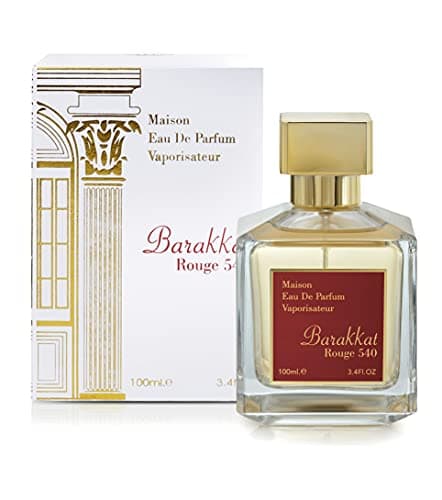
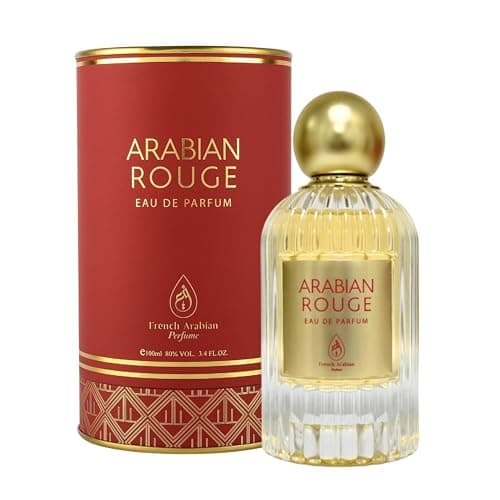
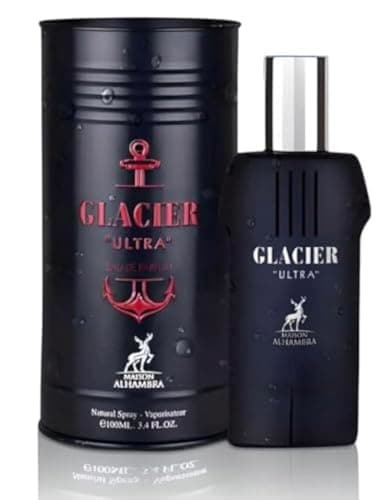
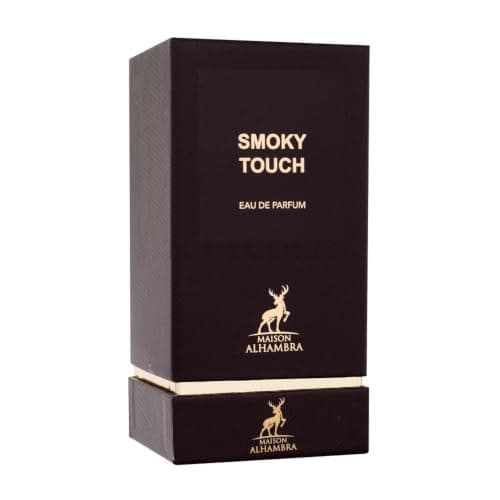
Maison Alhambra is the third clone house that matters on this site, and the one people are least clear about. It is not an independent competitor to Lattafa — it is part of the same operation, founded around 2020, and it has shipped an enormous catalog in a very short time. Over two hundred fragrances by 2025, by the house's own count.
That volume is the thing to understand before you buy. A house releasing fragrances at that rate is not building each one carefully; it is covering the map. Some of the results are genuinely excellent, several are unremarkable, and the difference is not signaled by the packaging. This page picks the four we would actually spend money on.
Our house roundups for Lattafa and Armaf cover the other two major players. Between the three pages, that is most of the clone market worth knowing.
What Maison Alhambra is good at
A clear pattern emerges once you have smelled enough of them. The house is strongest on dense, sweet, warm compositions— tobacco, vanilla, amber, saffron. Those are materials that are cheap to make convincing and that reward the heavy-handed approach the house takes. Its versions of famous gourmand and amber scents are frequently very close.
It is weakest on clean and fresh. Marine accords, crisp citrus and dry woods all cost money to do well, and the house economizes exactly where you would expect. If a Maison Alhambra bottle is chasing something bright, expect a sweeter, heavier approximation. Maitre de Blue, its budget take on Bleu de Chanel, is the textbook case — close in shape, thin on performance — and we rank it against the other clones in our Bleu de Chanel dupes roundup. The flip side of the same pattern is that its strongest recent work sits at the saffron-suede end of that warm palette, which is why Opulence Leather tops our best leather colognes ranking.
Clone, not counterfeit
Restating the distinction because it matters. These are original fragrances, sold under the house's own name, deliberately built to evoke famous designer and niche accords. Scent formulas are not protected the way logos and trademarks are, so this is a legal product category. It is not the same as a fake bottle claiming to be a Tom Ford or a Maison Francis Kurkdjian product — that is counterfeiting, which we never link, and which our guide to spotting fakes helps you avoid.
How we ranked them
- Similarity to the named target, judged from aggregated community comparisons rather than any lab work of ours.
- Scent, longevity, projection and value follow our published rubric.
- A bottle that is a mediocre clone but a good fragrance scores well on scent and poorly on similarity. Both numbers are worth reading.
How we picked these
Published note pyramids, aggregated community comparison reports, live Amazon prices, and our published rubric with a similarity column. Every pick has a verified live Amazon listing and a named target. Nothing here is scored from memory and nothing is included because the house makes it.
The catalog problem
Maison Alhambra's output is the single biggest risk in buying from it. When a house ships hundreds of fragrances in a few years, most of them are competent filler and a handful are genuinely good. There is no reliable way to tell from the bottle, the name or the marketing copy which is which — the packaging quality is consistent across the whole range.
The practical advice: buy the ones with a large, established body of community discussion behind them, and treat an unfamiliar release with no reviews as an unknown quantity rather than a discovery. That applies across the clone market, and it is one of the reasons we always name the target on these pages.
The clearest example of the house at its best sits outside this roundup: Maison Alhambra Yeah! publishes a note list identical to YSL Y Eau de Parfum's, which is why it leads our YSL Y dupes roundup. It is a single-target clone rather than a flagship for the range, so it is ranked there rather than here.
Maison Alhambra vs Lattafa vs Armaf
A rough guide, since the three houses overlap heavily:
- Lattafa is the most consistent, with the deepest catalog of genuinely original releases alongside its clones. See our Lattafa roundup.
- Armafis the projection specialist — its best bottles out-perform their designer targets outright. See the Armaf roundup.
- Maison Alhambra is the closest on sweet and dense accords specifically, and the least reliable outside them.
Batch variation
As with every clone house, quality control is less consistent than at designer level and wearers regularly report the same fragrance smelling different between batches. Buy from a seller with a returns policy, and sample where you can — our try-before-you-buy guide covers the cheap routes, and are cologne clones worth it weighs the whole trade honestly.