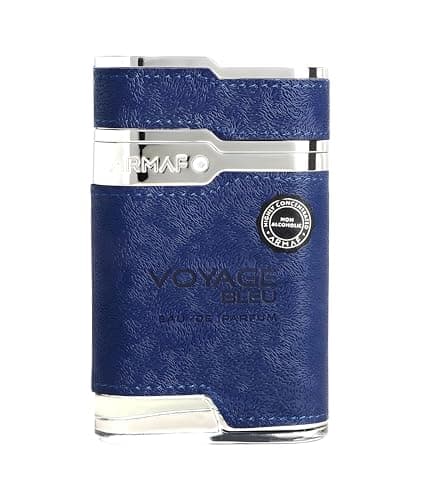
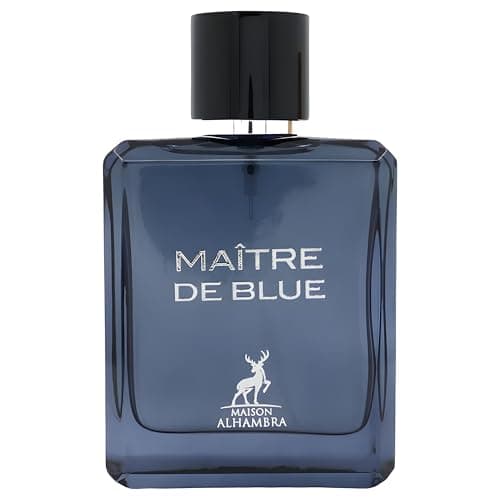
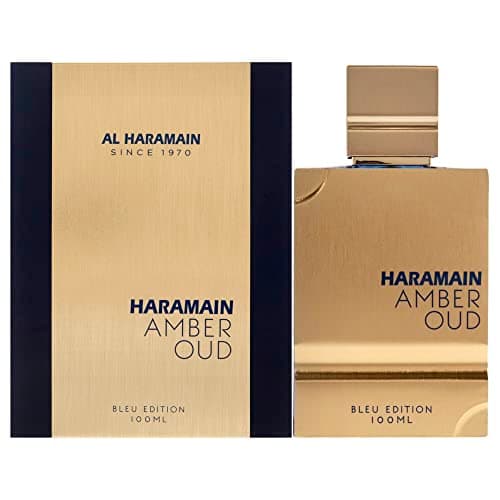
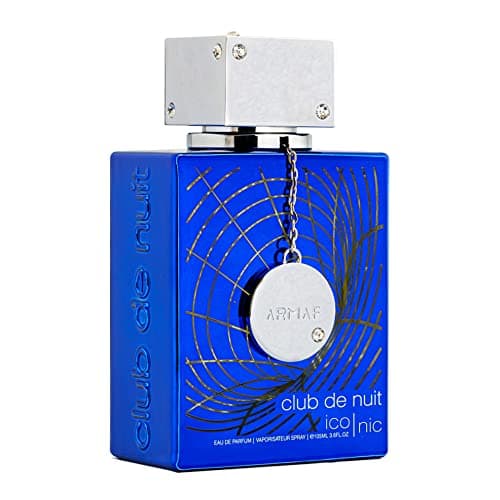
The best Bleu de Chanel dupe is Armaf Club de Nuit Blue Iconic: it is aimed at the Eau de Parfum specifically, it gets the grapefruit-ginger-incense shape recognizably right, and by most owner reports it outlasts the bottle it copies. The cheapest way into the family is Maison Alhambra Maitre de Blue, which costs about what a sandwich does and behaves accordingly on longevity. And the one we would think twice about is the priciest bottle on the page, Al Haramain Amber Oud Bleu Edition, which is less a clone than an Amber Oud that happens to be wearing blue.
That is the short version. The long version starts with a fact most dupe lists skip entirely: Bleu de Chanel is not one fragrance. It is three, released over eight years by two different perfumers, and they do not smell the same. A clone that nails the 2010 Eau de Toilette is a poor match for the 2018 Parfum, and vice versa. So every pick below names its target, because "smells like Bleu de Chanel" is only a useful sentence once you know which Bleu.
Which Bleu de Chanel are you actually after?
Chanel launched Bleu de Chanel in September 2010, composed by Jacques Polge. It was an immediate commercial success — Bloomingdale's biggest men's fragrance launch to that point, the second best-selling men's fragrance of 2011 and 2012 by the figures Wikipedia cites, and still the second most popular fragrance in Britain as recently as 2021. The three core versions:
- Eau de Toilette (2010). The original. Lemon, mint, pink pepper and grapefruit up top, ginger, nutmeg and jasmine over an Iso E Super heart, then a base of labdanum, sandalwood, patchouli, vetiver, incense, cedar and white musk. The brightest and most citrus-and-incense-led of the three, and the lightest on skin.
- Eau de Parfum (2014). Also Jacques Polge. Same skeleton, but wearers consistently describe it as rounder and warmer, with the sandalwood and amber materials moved forward and the sharp citrus edge sanded off. Longer-lasting than the EDT. This is the version most clone houses target, because a warmer, woodier composition is easier to approximate with cheap materials than a crisp citrus one.
- Parfum (2018).Composed by Olivier Polge, Jacques's son. The deepest reading: the citrus is quieter still, the sandalwood and cedar dominate, and the drydown is the richest of the family. If someone told you Bleu de Chanel "smells like expensive wood," they were wearing this one.
A newer L'Exclusif edition also exists; none of the clones on this page target it and we do not cover it here. If someone recommended "Bleu de Chanel" without qualifying it, they most likely meant the EDP, which is both the best-seller and the version the clone market has converged on. Our concentrations guide explains why the same name on three strengths produces three different scents in the first place.
The honest finding
Bleu de Chanel is one of the most-cloned fragrances in existence, and also one of the hardest to clone well. The reason is where the money is. The middle of the composition leans on Iso E Super, a workhorse aromachemical used across the industry at every price tier, which is why the heart and drydown of a decent clone can land surprisingly close. The opening is a different story: the polish of that lemon-grapefruit-mint top is expensive to reproduce, and budget houses substitute sharper, thinner citrus materials that smell harsher for the first ten or fifteen minutes and then vanish. Almost every clone below shares that fault. Judge them from the twenty-minute mark, not the first spray.
The second finding is that two of the most-recommended "Bleu de Chanel clones" on the internet are not Bleu de Chanel clones at all. Lattafa Fakhar Black is aimed at YSL Y Eau de Parfum — a cousin in the same blue-fresh lane, not the same fragrance — and the Fragrantica community thread on it says so in the title. And Armaf's newer "Club de Nuit Iconic" extrait de parfum is a different bottle from the 2022 "Club de Nuit Blue Iconic" ranked first here; the names get used interchangeably online and they should not be. We have left Fakhar Black off the list for that reason, and named the exact Armaf bottle we mean. The same discipline runs through our master dupes roundup.
Clone, not counterfeit
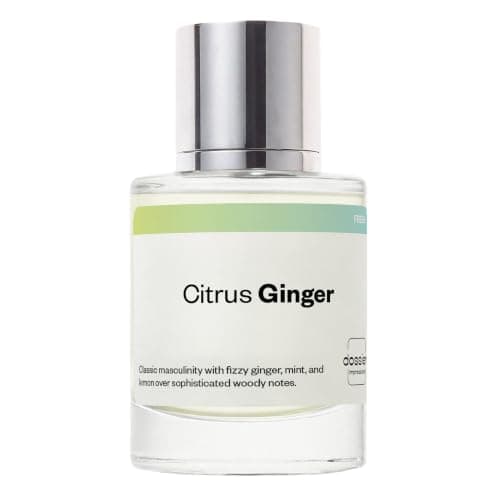
Every bottle here is an original fragrance from a legitimate house, sold under its own name, built to evoke a famous accord. Scent formulas are not protected the way logos and trademarks are, so this is a legal product category — Dossier even puts "inspired by Bleu de Chanel" in the listing title. It is entirely different from a fake bottle claiming to be a Chanel product, which we never link and which is a real risk with any best-seller, so our guide to spotting fakes is worth ten minutes before you buy the original from anyone but Chanel or a department store.
How we ranked them
- Similarity is a judgment from aggregated community comparison reports and published note pyramids, scored against the specific Bleu de Chanel each clone targets. It is not a lab match. Nobody has run a gas chromatograph on these bottles, ourselves included.
- Scent, longevity, projection and value follow our published rubric, with longevity and projection compiled from what wearers consistently report rather than anything we measured.
- Value is scored against the live price on the day, and against the bottle size — one pick here ships at half the volume of the others, and that counts.
How we picked these
Published note pyramids from Fragrantica and the houses themselves, aggregated community comparison reports, live Amazon prices on the day, and our published rubricwith a similarity column scored against each clone's actual target. Every bottle on this page was checked as in stock, from the listing we link, before it was written up. We have not run side-by-side blind tests and we do not have a lab. Where the community consensus is split — and for two of these it genuinely is — we say so rather than picking a side to make the ranking look cleaner.
Why Bleu de Chanel is hard to clone
A fair question, given how many houses try. The composition has two halves that behave very differently under a budget. The heart and base are built around Iso E Super, a woody-ambery aromachemical that is inexpensive and used across the industry, plus sandalwood, cedar and incense accords that clone houses reproduce all the time. That half is reachable, and it is why the twenty-minute-on drydown of a good clone can genuinely sit near the original.
The opening is the other half. The lemon, grapefruit and mint of the Chanel are smooth and rounded in a way that depends on the quality and quantity of the citrus materials, and citrus is where budget houses economize first, because it is both expensive and volatile — it evaporates in minutes, so spending on it feels wasteful. The substitute materials are sharper and thinner, which is why almost every clone here shares the same complaint: a harsh, slightly synthetic first ten minutes before it settles. The practical advice writes itself. Test a clone at the twenty-minute mark and again at the two-hour mark, and ignore the first spray entirely. Our guide to fragrance notes covers why top notes are the least reliable part of any scent to judge from.
Why most clones target the EDP
Look at the target column in the picks and a pattern falls out: the clone market has converged on the Eau de Parfum. Part of that is demand — the EDP is the best-selling version. Part of it is cost. A warmer, woodier, ambery composition is easier to build convincingly from cheap materials than a crisp, cool, citrus-forward one, so a house aiming at the EDP gets closer for the same money. If the version you love is the original EDT, your options are thinner: Voyage Bleu is the honest pick, and even that dries down warmer than the Chanel. If the Parfum is your bottle, none of these is a clean match; the two Armaf picks are the nearest in spirit, and the gap is real.
When to just buy the original
If the specific thing you love about Bleu de Chanel is the opening — that polished, cool, expensive-smelling citrus — buy the Chanel. None of these reproduces it, and a harsher approximation of the part you like most will annoy you every time you wear it. Chanel does not sell through Amazon itself; when we checked the catalog for this page, the only Bleu de Chanel listings there were sample vials and third-party resellers. Buy it from Chanel or an authorized department store, and read our where to buy guide before paying a reseller price that is somehow below retail, because best-sellers are exactly what counterfeiters copy.
If what you like is the general shape — bright citrus, ginger and spice, a smoky-woody base — then the clones are genuine value, and Blue Iconic will do the job for a fraction of the money with better performance. Whether that trade is worth it for you is the whole subject of our are cologne clones worth it piece.
The near-misses, and the names to get right
Three bottles get recommended as Bleu de Chanel clones often enough that leaving them out needs a reason. Lattafa Fakhar Black is aimed at YSL Y Eau de Parfum; it shares the blue-fresh lane and the apple-ginger-sage shape, and it is a good bottle, but the community thread comparing it is literally titled as a Y clone question. Armaf Club de Nuit Iconic, the newer extrait de parfum Fragrantica lists as a 2026 release, is a separate fragrance from Club de Nuit Blue Iconic (the 2022 EDP, ranked first here); we have not assessed it and will once its availability and community record settle. And Maison Alhambra Blue de Chance, the house's other Bleu-clone, was not available from a listing we could verify on the day, so it is not featured; Maitre de Blue is the one you can actually buy.
The wider lesson: in this family the names are close enough to trip you. Blue Iconic is not Iconic, Blue de Chance is not Maitre de Blue, and Amber Oud Bleu Edition is one of a dozen Amber Oud editions in near-identical boxes. Check the exact name on the listing before you pay, every time.
Batch variation, honestly
Clone-house production is less consistent than designer production, and Bleu-clones seem to suffer from it more than most, presumably because the citrus opening is fragile. The wide spread in longevity reports for Maitre de Blue and Dossier is the visible symptom. It is not a reason to avoid the category; it is a reason to buy from a seller with a returns policy, to give a new bottle a few weeks before judging it, and to sample where you can — our try-before-you-buy guide covers how. If you want the same blue-fresh idea without the clone question at all, the designer field in our fresh cologne roundup and the Sauvage-lane options in Sauvage alternatives are the two neighboring shelves.