Almost nobody pays list price for designer fragrance, and the people who do are the ones who did not know they had a choice. The category runs on a permanent discount cycle, and once you understand how that works you can reliably pay half of what a department store asks for exactly the same bottle.
This guide covers the mechanics, then seven specific tactics, then the one saving that is not a saving — because the fastest way to lose money on fragrance is to buy a counterfeit while trying to be clever.
Why the sticker price is meaningless
A designer fragrance is usually not made by the fashion house whose name is on it. The house licenses its name to a fragrance group, which develops, produces and distributes the product. That bottle then passes through distributors and retailers, each taking a margin, before it reaches a counter.
The list price is set for that full-margin retail channel. But the same bottle also reaches gray-market distributors, online discounters and marketplace sellers who operate on far thinner margins, and it is sold there for a fraction of the counter price. Neither price is a trick. The discount price is simply what the product costs when you remove several layers of retail.
Practical consequence: a "60% off" banner on a fragrance site tells you almost nothing, because the reference price it is discounting from is not a price anyone pays. Compare the actual number against other actual numbers, not against a list price.
Seven ways to pay less
1. Buy the larger bottle, then check the maths
Fragrance is usually cheaper per ounce in larger bottles — but not always, because brands discount sizes unevenly. A 3.4 oz bottle on promotion frequently costs less per ounce than a 6.8 oz at full price. Work in price per ounce every time. It takes ten seconds and it is the single most reliable saving on this list.
2. Buy the older flanker, not the new one
When a house releases a new version of a popular scent, the previous one drops in price immediately, even though nothing about it changed. If you like the shape of a fragrance and do not need the newest interpretation of it, the two-year-old flanker is frequently half the price. Just be clear that flankers are separate fragrances rather than versions of one — a distinction we cover in cologne vs eau de parfum.
3. Buy out of season
Fresh, aquatic scents are cheapest in autumn and winter. Heavy ambers and gourmands are cheapest in late spring and summer. If you plan a purchase six months ahead of when you will actually wear it, you will consistently pay less. Our summer and winter roundups are the obvious shopping lists to work from.
4. Buy the clone-house version
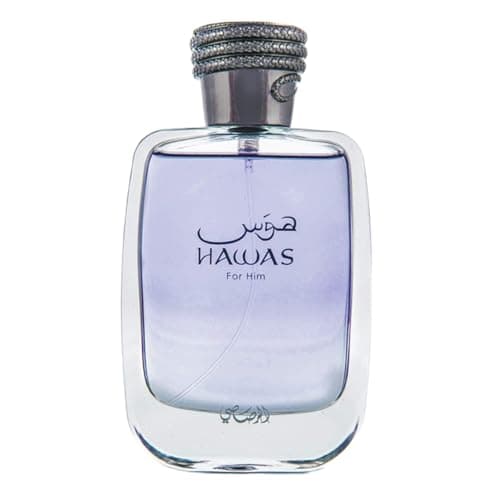
The biggest single saving available, and the one with the clearest trade-off. Lattafa, Armaf, Rasasi and Maison Alhambra build fragrances that deliberately evoke famous designer accords, sell them under their own names, and charge a fraction of the price. This is legal — scent formulas are not protected the way trademarks are — and the best of them are genuinely good.
What you give up is refinement in the transitions and consistency between batches. Our master dupes roundup covers the field, and are cologne clones worth it weighs the trade honestly.
5. Buy a sampler set before a full bottle
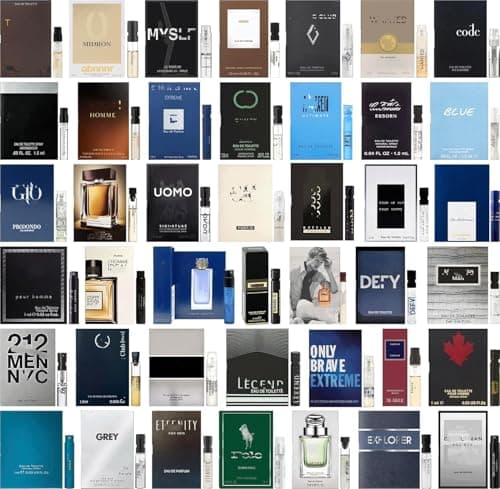
Counterintuitive, but this is where most fragrance money is actually wasted. An unworn 100ml bottle you bought blind and disliked is a bigger loss than any price difference on this page. Spending a small amount to find out what you like first is the highest-return move in the category. Our sampler sets roundup and try-before-you-buy guide cover the routes.
6. Use less
Genuinely. Most people over-apply, particularly with strong eau de parfums, because they stop smelling their own fragrance within minutes and reach for another spray. Two sprays instead of five triples the life of the bottle and improves how the fragrance actually reads to other people. Our piece on why you cannot smell your own cologne explains the mechanism.
7. Skip the discounter loyalty and compare every time
The online discounters — the ones whose names dominate the search results for "fragrance discounters" — do not have consistent pricing relative to each other or to marketplace sellers. The cheapest source moves constantly. Check more than one place for the specific bottle you want, every time, rather than defaulting to whichever site you used last. Our where to buy guide covers which channels are safe.
The saving that is not a saving
If a price is dramatically below every other price for the same bottle, the most likely explanations are that it is counterfeit, that it is a tester or unboxed unit being sold as retail, or that it is an old, poorly-stored batch. Fragrance has a real production cost and nobody gives it away.
Counterfeit fragrance is not just a waste of money — unregulated production means unknown materials against your skin. Our guide to spotting fake cologne covers the checks worth running before you buy from an unfamiliar seller.
Where the money actually goes
One last piece of perspective. If you are trying to reduce what you spend on fragrance, the biggest lever is not the price of any individual bottle — it is how many bottles you buy that you do not wear. A two-bottle rotation you use daily costs far less over a year than six bottles bought on impulse and worn twice. Our fragrance wardrobe guide is built around that idea.
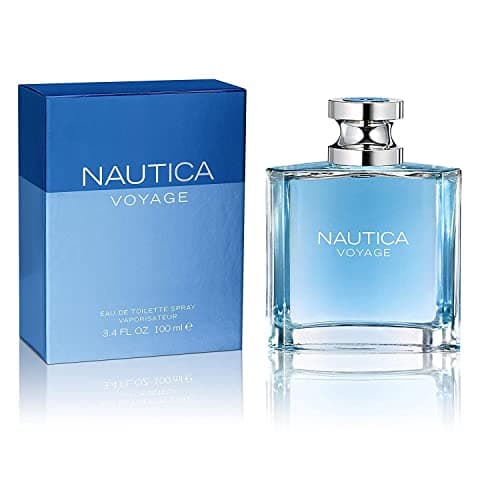
The three picks below are the ones we would actually point someone at if the brief were simply "smell good, spend as little as possible."
If you would rather start from a budget than from a tactic, our best colognes under $30 and how much should you spend on cologne pages approach the same problem from the other end - what each price band actually buys.