Layering means wearing two fragrances at once so they combine into something neither one is alone. Done deliberately it is genuinely useful: it fixes a scent that fades too fast, tones down one that is too sweet, or gives you something nobody else is wearing. Done randomly it is a fast way to waste two good bottles and smell like a duty-free hall.
The difference is entirely down to two rules, and everything else on this page follows from them.
Rule one: one scent leads, one supports
The most common failure is layering two loud, complex fragrances and expecting a third loud, complex fragrance. What you actually get is noise, because both are competing for the same attention across the same frequencies.
A working combination has a hierarchy. One fragrance is the main event, applied normally. The second is there to do a specific job — add warmth underneath, add freshness on top, extend the longevity — and it goes on at roughly half the quantity. If you cannot say in one sentence what the second scent is for, do not add it.
Rule two: share a note, or share a family
Combinations work when the two fragrances have something in common to hold them together. Two vanilla-based scents will blend. A woody scent and an amber scent will blend. A sharp aquatic and a spiced gourmand will not blend — they will simply take turns being noticeable, which is the olfactory equivalent of two people talking over each other.
If you are not sure what your fragrances have in common, our fragrance families guide maps the categories, and fragrance notes explained covers how to read a pyramid so you can spot shared materials.
The mechanics
- Heavier first, lighter second. Apply the denser, more base-heavy fragrance first and give it a minute, then the lighter one over the top. The heavy one anchors; the light one gives you the opening.
- Different placements work better than the same spot. The supporting scent on the chest and the lead on the neck gives a cleaner result than both in one place, where the mix can turn muddy.
- Total spray count does not go up.If you normally wear three sprays, layering is two of one and one of the other — not three of each. This is the mistake that makes layering antisocial.
- Test it before you commit to a day out. Combinations can smell fine for ten minutes and turn strange in the dry-down. Try it on a Saturday at home first.
- Do not layer over a scented body wash and lotion too. Three scented products is already layering whether you meant it or not, which is where most accidental clashes come from.
Three combinations that work
These are shapes rather than specific bottles, and they generalize to whatever you own.
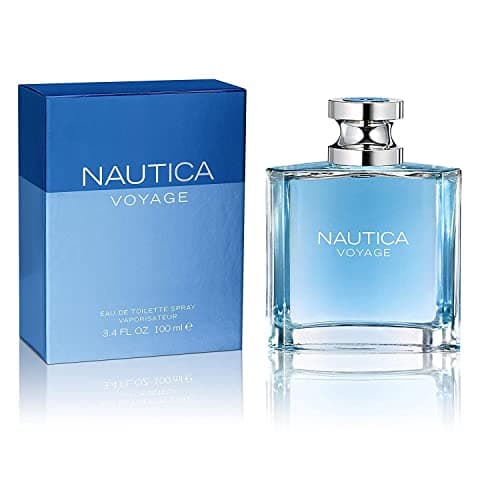
Fresh over warm. A warm amber or woody base with a clean, citrusy fresh scent on top. The base gives you longevity and depth, the fresh scent gives you a bright opening and keeps the whole thing from feeling heavy. This is the most forgiving combination and the best place to start.
Sweet plus dry.A sweet gourmand with something dry and woody or spicy underneath. The dry element cuts the sugar and stops the combination reading like dessert, which is the same trick a well-built gourmand does internally — see the lavender in a lavender-vanilla, as our vanilla roundup explains.
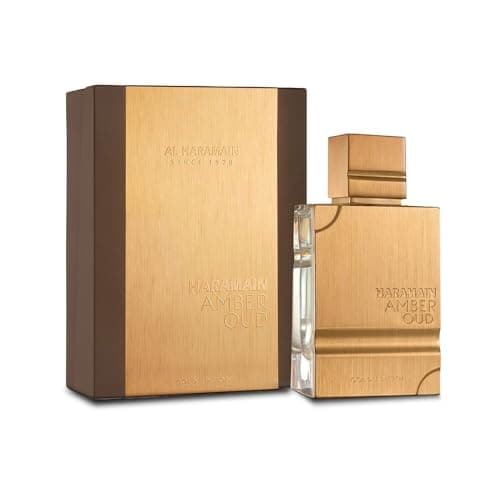
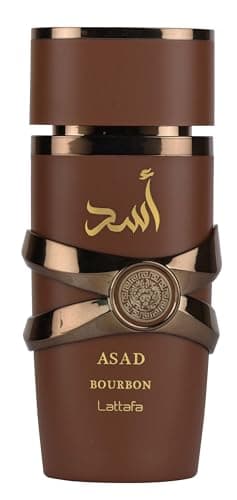
Booster underneath. Using a cheap, long-lasting, heavy-base fragrance purely as an anchor under a designer scent you love but that fades too fast. This is the most practical reason to layer at all, and it is why the bottles below are chosen the way they are.
The honest case against layering
Most people should not bother, and we would rather say so than sell you a technique. A well-composed fragrance is already a carefully balanced structure that a perfumer spent a long time getting right, and adding a second one on top is as likely to unbalance it as improve it. The fragrances most worth wearing are the ones least likely to be improved by this.
There are also cheaper fixes for the problems layering solves. If your scent fades too fast, moisturized skin and a higher concentration will do more than a second bottle — see how to make cologne last longer. If a fragrance is too sweet, use one spray instead of three. If you want something nobody else is wearing, buy something nobody else is wearing; our dupes hub is full of inexpensive bottles that are not on every shelf.
Layer because you enjoy experimenting, which is a perfectly good reason. Do not layer because you think you are supposed to.
Three bottles that layer well
Each of these does one clear job in a combination, which is the entire requirement.