Almost every fragrance sold in the West is a solution of aromatic materials in alcohol. Perfume oils — attars, concentrated oils, roll-ons — skip the alcohol and suspend the same kind of materials in a carrier oil instead. That one change produces a chain of consequences, and understanding them tells you which format you want.
The headline: oils last considerably longer on skin and project considerably less. If you want to be smelled across a room, buy a spray. If you want something still detectable at close range twelve hours later, buy an oil.
Side by side
| Perfume oil / attar | Alcohol-based cologne |
|---|
| Base | Carrier oil, no alcohol | Denatured alcohol plus water |
| Longevity on skin | Very high - often 8-12+ hours | Depends on concentration; 3-8 hours typical |
| Projection | Low - mostly a close, personal scent | Moderate to high |
| Opening | Muted; top notes barely register | Bright; the alcohol flashes the top notes off |
| Application | Dab or roll-on, a small amount | Spray, several |
| Cost per wear | Low - a tiny bottle lasts months | Higher - you use far more per wear |
| Travel | Easy; small, non-flammable | Restricted by liquid limits, flammable |
Why the difference exists
Alcohol is a solvent that evaporates fast, and that is its entire job. When you spray a cologne, the alcohol flashes off within seconds, throwing the volatile top notes into the air with it. That burst is what creates the bright opening and the scent trail, and it is why the first ten minutes of a good fragrance is often its most impressive phase.
An oil has nothing doing that work. The aromatic materials sit on your skin in a slow-evaporating carrier and release gradually. You get very little opening, very little projection, and a scent that stays put for a long time. Our sillage and projection guide explains the physics in more detail, and fragrance concentrations covers where oils sit relative to parfum, EDP and EDT.
Where attars come from
Oil-based perfumery is the older tradition. Attars have been made and worn across the Middle East and South Asia for centuries, and they remain the default format in much of that region. That heritage is why most of the perfume oils you can buy today come from Middle Eastern houses, and why the note profiles skew toward oud, amber, rose, sandalwood and musk rather than the aquatics and fresh fougeres that dominate Western spray fragrance.
It also means the format carries a specific aesthetic. If you want an oil version of a bright citrus scent, you will struggle — not because it is impossible, but because it is not what the category makes.
The alcohol-sensitivity question
One genuinely practical advantage: perfume oils contain no alcohol, so they do not sting freshly shaved or broken skin and do not dry the skin the way a heavy spray can. For anyone with sensitive skin, or who wants to apply fragrance immediately after shaving, an oil is a reasonable answer.
That is not the same as being hypoallergenic. The aromatic materials themselves are what most fragrance reactions respond to, not the alcohol, so an oil is not a solution to a fragrance allergy — our guide to cologne allergies and sensitivities goes through what actually causes reactions.
Which should you buy?
- Buy an oil if you want maximum wear time, work somewhere that frowns on strong scent, want a personal scent that only people close to you notice, travel frequently, or have skin that reacts badly to alcohol sprays.
- Buy a spray if you want to be noticed, like a bright opening, want the enormous variety of the mainstream market, or want a fragrance that fills a room.
- Buy both if the honest answer is that you want different things on different days. They are cheap enough that this is not an extravagant position.
Two oils and one spray worth knowing
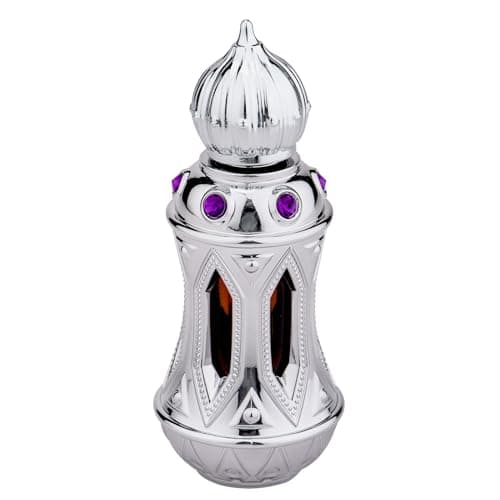
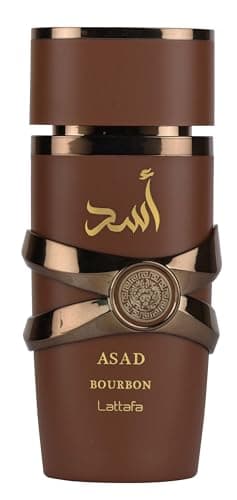
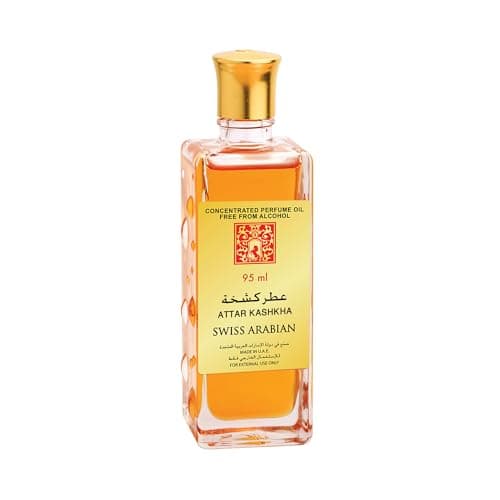
If you want to test the format without spending much, the traditional attar houses are the sensible entry point. The picks below are two alcohol-free oils in the classic style and one alcohol-based Middle Eastern EDP for comparison, so you can hear the difference the format makes across similar material families.