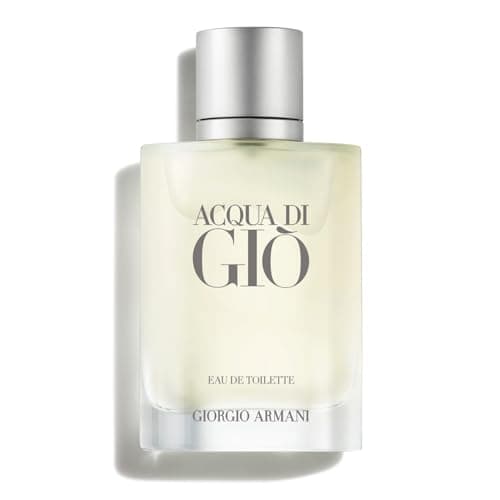
The best cologne of all time is Giorgio Armani Acqua di Gio, and the reason is not that it smells better than everything else - it is that nearly everything else smells a little bit like it. This page ranks influence alongside quality, which is the only honest way to answer an "all-time" question.
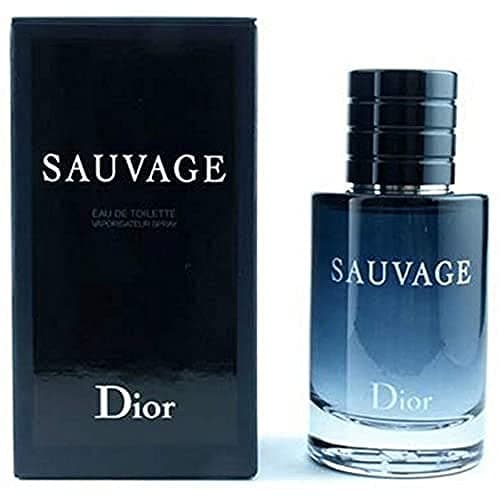
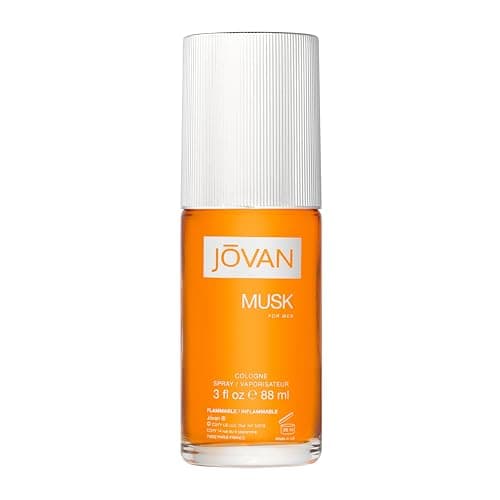
The rubric here replaces our usual projection column with influence: how much did this bottle change what came after it. Scent, longevity, versatility and value are still scored, so a historically important fragrance that is unpleasant to wear today cannot coast on its reputation. That balance is why Jovan Musk makes the list and finishes last, and why Dior Sauvage - barely a decade old - finishes fourth.
One hard constraint shaped this page: every fragrance here is still in production and still buyable. There are discontinued masterpieces we would happily argue for, and vintage formulations that collectors rightly prefer to what is on shelves now, but a list you cannot act on is a museum catalog. Where a fragrance has been reformulated - and most of these have - we say so in the entry rather than pretending the bottle you buy today is the bottle from 1988.
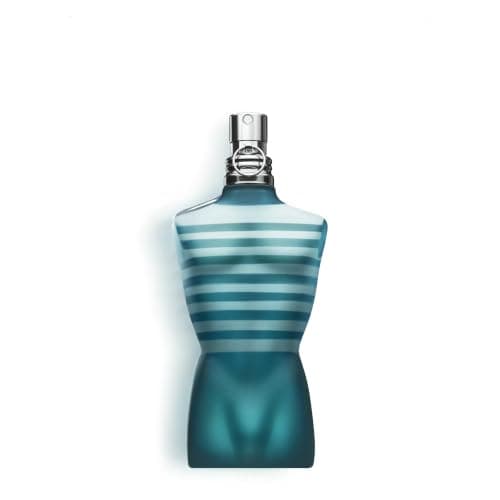
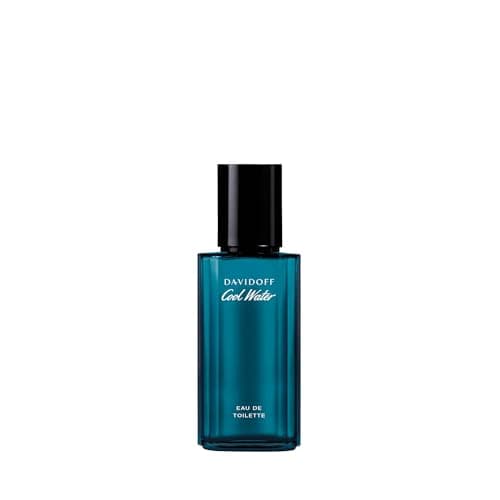
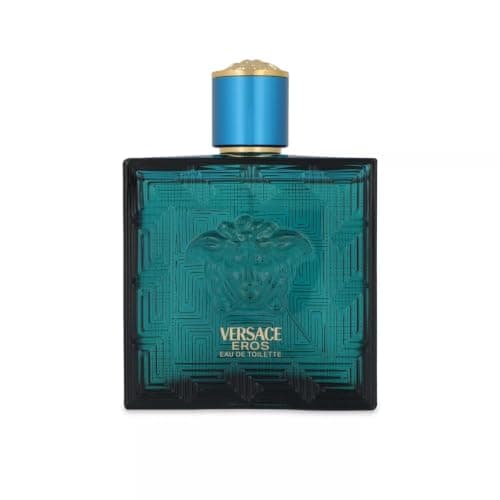
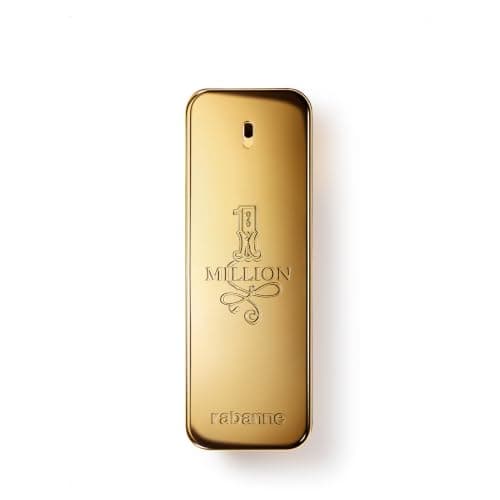
Read this as a map of how men's fragrance actually got here: Cool Water opens the fresh era in 1988, Le Male makes sweetness permissible in 1995, Acqua di Gio perfects the aquatic in 1996, 1 Million turns the volume up in 2008, Eros sweetens it again in 2012, and Sauvage resets the whole template in 2015. If you want the current answer rather than the historical one, our best-cologne-for-men roundup is scored on today's terms.
How we ranked the all-time list
Influence is scored on how visibly a fragrance changed the releases that followed it - a judgment from documented fragrance history and published note breakdowns, not a metric we invented a number for. The other four columns are our standard ones. As always we have not lab-tested anything; the method is on how we review.
Reformulation: the caveat that applies to everything here
Almost every fragrance older than about fifteen years has been reformulated, usually more than once, because ingredient regulations change and materials get restricted or become uneconomic. Oakmoss restrictions alone reshaped a generation of classics. The practical effect is that the Cool Water or Acqua di Gio you buy today is quieter and cleaner than the one someone wore in 1996 - which is why long-time wearers so often say a classic "is not what it was." They are usually right. It does not make the current version bad, but it does mean nostalgia is a poor buying guide.
Are the classics still worth buying?
Four of these eight are outstanding buys today: Acqua di Gio for versatility, Cool Water for value, Le Male for warmth, and Sauvage for raw performance. Polo Blue and Eros are strong, safe, unremarkable choices. 1 Million and Jovan Musk are for people who specifically want what they do, and we would not hand either to someone buying their first bottle. If that is you, start at best cologne for beginners instead.
Being on an all-time list and being the right purchase today are two different things, and the gap between them is mostly price. Our best colognes of 2026 list is the same field judged the other way round: what each bottle is worth at what it currently costs, rather than what it meant to the category.
The cheap way to explore history
Buying eight full bottles of anything is a bad idea; buying eight samples is a great one. Several of these classics turn up in multi-brand sampler sets, and decants let you wear a landmark for a day before deciding whether you want it on your shelf. Our try-before-you-buy guide walks through the options.
Several of these bottles are classics in the literal sense that they have been on shelves for forty years, which makes them a different proposition depending on who is wearing them. The age-specific rankings start at men in their 20s and run through to men over 60, where the classics on this page land very differently.
How we picked
We did not lab-test this gear
Everyone in this category says they tested twenty products. We have not lab-tested any of these, and we say so. What we did instead: compiled the published specifications, decoded the ingredient (INCI) lists active by active, ran the math where there was math to run, and scored each product against a published rubric. The scores are judgments from documented research — not measurements we took, because we do not have a lab and we will not pretend we do. Where a number came from someone else's work, we name them in Sources.