No. There is no accepted scientific evidence that pheromone colognes work, for a reason that is more fundamental than "the studies are mixed": no human pheromone has ever been identified. You cannot formulate a product around a molecule nobody has demonstrated exists. If what you actually want is for people to react to how you smell, that is a real and achievable goal — it is just a fragrance problem, not a biochemistry one, and the three picks further down this page solve it.
What a pheromone is, and why that matters
A pheromone is a chemical signal released by one member of a species that produces a specific, reproducible response in another member of the same species. The definition is strict on purpose. Pheromones are well-established in moths, mice and pigs; the pig one, androstenone, is sold commercially to farmers and works reliably. The bar is a demonstrated, repeatable behavioural response under controlled conditions.
Human pheromone products are typically built around four steroid molecules: androstenone, androstenol, androstadienone and estratetraenol. Those names appear on the marketing copy of most of these sprays. In a 2015 review in Proceedings of the Royal Society B, Tristram Wyatt examined the literature on all four and found no convincing bioassay-led evidence that any of them functions as a human pheromone. His conclusion was not that humans definitely have no pheromones — it was that nobody has done the systematic work needed to identify one, and that the four molecules the industry uses were never properly established in the first place.
That is the whole case. A product can contain androstadienone and say so truthfully, and the statement still tells you nothing about what it will do, because the molecule has not been shown to do anything.
So why are the reviews good?
Because these products are fragrances, and fragrances work. Three ordinary things explain almost every positive review of a pheromone spray:
- It smells good. Most of these are competent sweet, fresh eaux de parfum. People compliment nice-smelling people. The compliment is real; the attribution is wrong.
- You behave differently. If you believe you are wearing something that gives you an edge, you stand differently and start more conversations. That effect is real, well-documented in the broader confidence literature, and has nothing to do with the contents of the bottle.
- Nobody runs a control. You cannot tell from your own evening whether the reaction came from the spray, the haircut or the room. That is exactly why controlled studies exist, and why their absence here matters.
What to look for instead
If reaction is the goal, buy for the properties that actually produce one. Three of them matter, and they are all observable before you buy.
- A likeable accord.Sweet gourmands and warm fruity scents are the most frequently complimented category there is. That is a pattern in what people report, not a law of nature — but it is a far better basis for a purchase than an unidentified molecule.
- Projection you can control. You want to be noticed at conversational distance, not across a car park. Our sillage and projection guide explains the difference and how to dose for it.
- Price honesty. Pheromone-marketed sprays are typically priced well above fragrances of comparable quality, because the claim is what you are paying for. Remove the claim and the same money buys something considerably better.
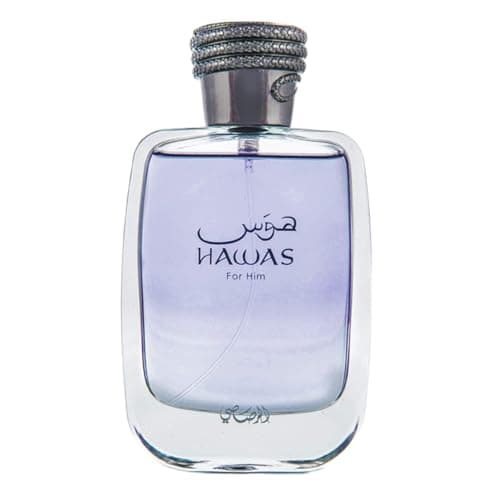
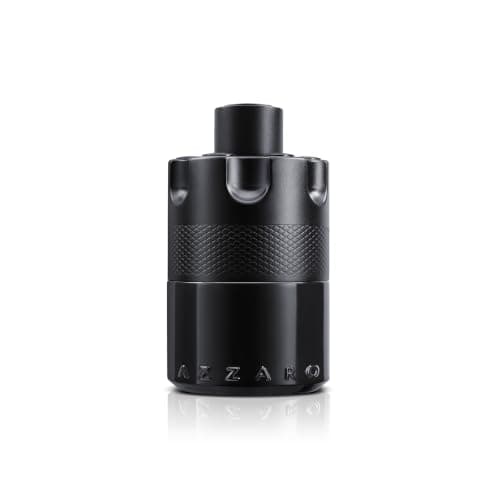
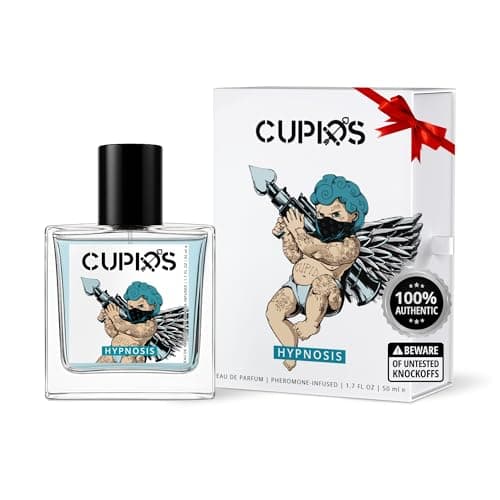
Below: the pheromone-marketed bottle we have actually assessed, then the two fragrances we would buy instead at the same money or less.
What about the studies pheromone brands cite?
Most of the citations you will see point at small studies on androstadienone, usually measuring mood or attention rather than attraction, often with few participants and rarely replicated. Wyatt's 2015 review is specifically a response to that body of work: his argument is that the field skipped the step where you first demonstrate a behavioural response and then isolate the molecule responsible, and instead started with four molecules borrowed from pig research and looked for effects afterwards. That is the methodological problem, and it has not been resolved since.
It is also worth noting what a correct claim would look like. A product that said "contains androstadienone, a molecule under investigation, with no demonstrated effect in humans" would be accurate — and nobody would buy it. The gap between that sentence and the advertising is the product.
The two things that genuinely change how people react
Smelling clean first.Fragrance sits on top of whatever is already there. Shower, use an unscented or complementary deodorant, and apply to moisturized skin — our cologne versus deodorant guide covers how the two interact, and how to smell good all day covers the rest of the routine.
Dosing correctly.Two sprays at the neck or chest. The most common reason a good fragrance gets a bad reaction is volume, and the reason people over-apply is that you stop smelling your own scent within about fifteen minutes — explained in why can't I smell my cologne. Count sprays rather than trusting your nose.
If you still want to try one
Nothing here is a safety warning — these are ordinary fragrances with a marketing story attached, and wearing one will not hurt you. Buy it as a fragrance: smell it first if you can, judge the price against what else that money buys, and set your expectations at "this is a sweet freshie" rather than at the advertising. Our how to spot fake cologne guide is the right companion for the heavily-marketed end of Amazon generally, and our YCZ cologne review assesses another product from the same corner of the market.
How we picked
We did not lab-test this gear
Everyone in this category says they tested twenty products. We have not lab-tested any of these, and we say so. What we did instead: compiled the published specifications, decoded the ingredient (INCI) lists active by active, ran the math where there was math to run, and scored each product against a published rubric. The scores are judgments from documented research — not measurements we took, because we do not have a lab and we will not pretend we do. Where a number came from someone else's work, we name them in Sources.