To smell good all day, build from the skin out: shower, use antiperspirant or deodorant on clean, dry skin, put on clean clothes, then apply a cologne with real staying power to moisturized skin and carry a small top-up for the afternoon. Cologne is the last layer of that system, and it cannot fix any of the layers underneath it.
Most advice on this treats smelling good as a fragrance problem. It is mostly a hygiene and laundry problem with a fragrance decision sitting on top, which is why a man who showered, wore a clean shirt and used two sprays of something modest usually smells better at five o'clock than a man who used six sprays of something expensive. This guide is the whole-day routine. Where a step already has its own detailed guide on this site, we link to it rather than repeat it.
Where the smell actually comes from
Body odor is not sweat. The Cleveland Clinic describes it as what you smell when sweat comes into contact with the bacteria on your skin, and the glands that matter most are the apocrine glands in the armpits and groin. They open into hair follicles and do not start working until puberty, which is why young children do not have body odor. The International Hyperhidrosis Society adds the useful detail: the eccrine glands that cool you produce large volumes of watery, usually odorless sweat, while odor comes from skin bacteria breaking down the thicker apocrine sweat — a cycle it puts at roughly an hour.
Two practical conclusions follow. First, smelling good all day is mostly about limiting bacteria and trapped sweat in a few specific places, and no amount of fragrance does either. Our cologne vs deodorant guide explains why cologne sprayed over odor makes things worse, not better. Second, stress counts: the Cleveland Clinic notes that stress can activate the apocrine glands, which is why a tense meeting can undo a good morning routine faster than a warm afternoon.
What to look for in an all-day cologne
Once the base is handled, the cologne's job is simple: still be there in the afternoon without having been too much in the morning. Four things decide whether a bottle can do that.
1. A heavier base
Fragrance evaporates from the top down. Citrus and most aquatic accords are usually gone within the first hour or two; woods, amber, vanilla, musk, tonka and resins are what is still on your skin after lunch. A scent built on a solid woody or ambery base will outlast a bright citrus every time, which is why a fresh summer cologne fading by noon is doing exactly what it was designed to do. Our guide to fragrance notes explains how the pyramid maps onto what you smell.
2. Concentration, with a caveat
Eau de parfum carries more fragrance oil than eau de toilette and generally lasts longer, but the label is not the whole story — some ambroxan-heavy eaux de toilette perform well beyond what their concentration suggests. Treat the label as a starting point and the reported wear time of the specific bottle as the real answer. Fragrance concentrations explained covers what each label means.
3. Stamina without volume
All-day is not the same as loud. For a full day around other people you want a scent that lasts rather than one that shouts, because anything that fills a room at nine in the morning is too much in a meeting at ten. The ideal all-day fragrance is noticeable at arm's length early on and settles into a close skin scent that is still there in the afternoon. Our explainer on sillage and projection covers the difference between lasting and projecting.
4. The right weight for the day you actually have
A sweet, heavy scent can carry a cold day or an evening beautifully and be unbearable on a hot commute. If your day includes heat, a crowded office or a classroom, favor something fresh with a woody base over something sweet and dense. For a full breakdown of which profiles belong in which part of the day, see day vs night cologne.
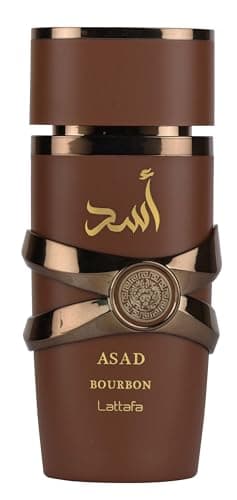
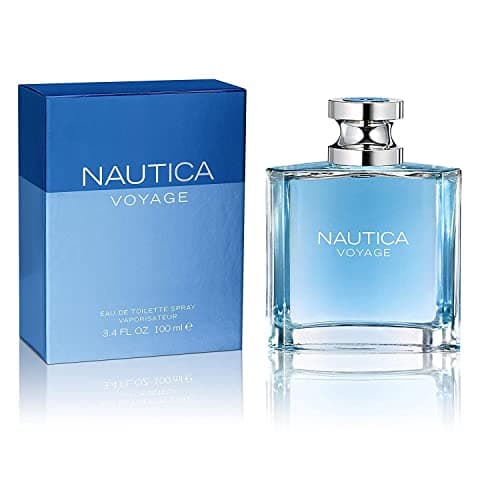
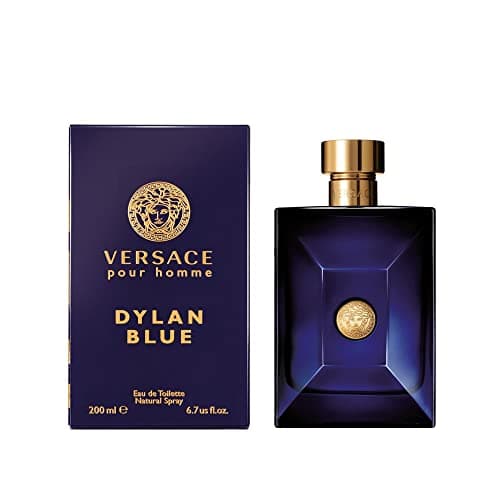
The three picks below cover the three common versions of the brief: one designer bottle that handles a whole day on its own, the most stamina available for the least money, and a cheap fresh scent you can re-spray freely without thinking about it.
The all-day routine at a glance
| When | What to do | Why |
|---|
| Night before (if you sweat heavily) | Antiperspirant on clean, dry underarms | Sweat specialists recommend night-time application |
| Morning shower | Wash thoroughly, then dry completely | Removes the sweat and bacteria that cause odor |
| After drying | Deodorant, then unscented moisturizer where you spray | Handles odor; moisturized skin holds fragrance longer |
| Before dressing | Two sprays of cologne on neck and chest | Lands on skin, settles before your shirt goes on |
| Getting dressed | A clean shirt and socks, every day | Worn fabric carries yesterday's sweat |
| Afternoon | Freshen up if needed, then one light spray | You stop smelling your own cologne long before others do |
Step 1: the hygiene base
Everything else depends on this. The Cleveland Clinic's advice is a daily bath or shower with antibacterial soap, and keeping underarm hair shaved so sweat evaporates quickly and has less time to interact with bacteria. Dry off properly afterwards — whatever goes on next works better on dry skin.
Then pick the right product for your actual problem. Deodorant works by masking odor; antiperspirant reduces how much you sweat. If sweat is what undoes you by mid-afternoon, antiperspirant is the product that addresses it — as the American Academy of Dermatology puts it, "Antiperspirants help reduce sweating. Deodorants don't." On timing, the International Hyperhidrosis Society recommends antiperspirant at night and a deodorant or combination product in the morning, and the AAD gives the same night-then-morning pattern, on dry skin, for people using prescription antiperspirant for heavy sweating. Our cologne vs deodorant guide covers how the three products differ, including why antiperspirant is regulated differently from the other two.
Step 2: clothes do more than you think
Fabric holds smell — the good kind and the bad kind. The Cleveland Clinic recommends loose-fitting cotton clothing so your skin can breathe, and the American Academy of Dermatology suggests breathable fabrics such as cotton and carrying spare clothes if you sweat a lot. A clean shirt every day is not optional: spraying cologne onto a shirt that already carries yesterday's sweat is the same mistake as spraying it over body odor.
Laundry matters as much as the wardrobe. The International Hyperhidrosis Society suggests washing sweaty clothes as soon as possible after wearing, and for garments that keep smelling even after a wash, rinsing with white vinegar before washing or adding an extra rinse cycle. Feet are the other common culprit: the AAD recommends changing socks and shoes often, not wearing the same shoes on consecutive days, and socks made from fabrics that wick moisture away.
Step 3: skin that holds scent
Dry skin lets fragrance evaporate quickly; moisturized skin gives it something to hold onto. An unscented lotion on the spots you spray, applied first, is the single easiest way to add hours to any cologne — unscented because you do not want it competing with the fragrance. The full set of techniques, including why oily skin holds scent longer, is in how to make cologne last longer.
Step 4: apply once, properly
Spray right after the shower and moisturizer, before you dress, so you hit skin rather than just fabric. Two sprays on the neck and chest is enough for most fragrances; do not rub, and never spray your underarms, where warmth and bacteria distort the scent. The complete method, including how the number of sprays changes between EDT and EDP, is in our guide to how to apply cologne.
Step 5: the mid-day refresh kit
A small kit turns a morning routine into an all-day one. Keep three things in a bag or desk drawer: a travel atomizer or small bottle of the same cologne you wore that morning, a deodorant, and — if you sweat heavily or have a long day — a spare shirt and socks. Our travel-size cologne roundup covers the small formats.
Order matters. If you have been sweating, wash first: deodorant applied over odor that is already there does very little, because the bacteria are established and the product is mostly masking. Then one light spray of cologne, not three. Use the same fragrance you started with — spraying a different one on top is unplanned layering, which our layering guide explains usually goes wrong.
One trap to know about: by mid-morning you will probably not be able to smell your own cologne at all. That is your nose adapting, not the fragrance disappearing, and it is the reason people reapply too much. Our piece on why you cannot smell your own cologne explains the mechanism.
Even when sweating: heat, commutes and the gym
When you sweat, the fix is antiperspirant and clean fabric, not stronger cologne. Sweet, dense fragrances are the ones that turn heavy in heat, so on hot days switch to something fresh and go lighter on the sprays. After a workout, shower and change before you reapply anything — cologne sprayed over a post-gym shirt is the exact combination people notice for the wrong reasons. Our gym cologne roundup and summer roundup cover the scents that cope best with heat.
At school or in a shared office
Close quarters change the math. One or two sprays of something fresh, applied at home rather than in a bathroom at break time, is the right amount for a classroom or an open-plan office. If people comment on your fragrance from across the room, it is too much. The hygiene base does most of the work here; the cologne is a finishing touch. Our office roundup and colognes for teenage guys list the safest picks for both settings.
What to avoid
- Over-spraying to make it last. More sprays mean a louder morning, not a longer day. Choose a longer-lasting fragrance or top up once instead.
- Stacking scented products. Scented body wash, scented deodorant, aftershave and cologne are four fragrances that were never designed to be worn together. Decide which layer is the scent you chose and keep the rest unscented.
- Covering odor instead of removing it. Fragrance on top of body odor smells worse than either alone. Wash first, always.
- Re-wearing yesterday's shirt. No cologne rescues fabric that already smells.
For the wider list of habits that undermine a good fragrance, see common cologne mistakes.