Oud smells woody, balsamic, leathery and faintly animalic, with a sweet-resinous warmth underneath and, in incense form, a sweet-balsamic smoke carrying vanilla, musk and amber. Published descriptions of agarwood oil give it as woody, balsamic, sandalwood-like, leathery, fruity, smoky, animal and tobacco-like — which is an unusually wide list, and the width is the point. Oud is not one smell. It is a material whose character shifts enormously with its origin and grade, which is why no two people describe it the same way.
The second thing to know is more useful than the first: almost certainly nothing you can buy on this site contains real agarwood. That is not a scandal and it is not a criticism of the bottles below. It is arithmetic, and once you understand it the whole category makes sense.
What oud actually is
Oud — also called agarwood, oodh or agar — is resin that a tree produces when it gets sick. It forms in the heartwood of trees in the genus Aquilaria, of which seventeen species are recognised and nine are known to produce it. Healthy Aquilaria heartwood is pale and virtually odourless. When the tree is infected — commonly with the mould Phaeoacremonium parasitica, sometimes introduced by a boring beetle — it floods the wound with a defensive resin, described in the literature as a final option of defence. The infected heartwood becomes dense, dark and saturated, and that saturated wood is the perfumery material.
So the fragrance note everyone treats as the height of luxury is, mechanically, a wound response. That also explains the scarcity: in natural forest, only about 7 in 100 Aquilaria trees of a given species are infected and producing agarwood. You cannot tell from the outside which ones.
Why it costs what it costs
First-grade agarwood is among the most expensive natural raw materials in the world, with quoted figures for superior pure material running into the hundreds of thousands of dollars per kilogram. We will be careful here, because the numbers in circulation vary by an order of magnitude depending on who is quoting them and what grade they mean — a widely cited business press figure is around $100,000 per kilogram, and higher claims exist that we cannot independently stand behind. At the other end, artificially inoculated, plantation-grown or underage wood has sold for as little as around $100 per kilogram, and adulteration is common.
The scarcity has a legal consequence too. Aquilaria malaccensis has been listed in CITES Appendix II since 1995, and all Aquilaria species were added in 2004, meaning international trade must be monitored and controlled so it does not harm wild populations.
Now do the sum. A 3.4 oz bottle of eau de parfum selling for twenty-five dollars cannot contain a meaningful quantity of a material priced in the tens or hundreds of thousands per kilogram. What it contains is an oud accord: a blend of woody, resinous, leathery and smoky materials — often with real sandalwood, patchouli, labdanum, saffron, incense and synthetic woody-ambers — constructed to read as oud. The good ones are genuinely good. They are just not agarwood, and any listing that implies otherwise at that price is telling you a story.
The four ways "oud" gets used
This is the practical part, and it is the test to apply before you buy anything with oud in the name.
1. Real agarwood oil, used sparingly. Found in niche and artisanal perfumery at prices that reflect the material. Characteristically complex, often barnyard-animalic or sour-fruity in a way beginners find genuinely unpleasant. Nothing on this page is this.
2. A built oud accord.Woody-resinous materials assembled to suggest agarwood. This is what essentially every affordable "oud" fragrance is, including all four picks below, and it is a legitimate craft rather than a trick.
3. Oud as a flavour on something else. A rose, amber or vanilla fragrance with a woody-smoky thread, where oud is the supporting actor. Often the most wearable version of the idea.
4. Oud as a word on the box. The pyramid names oud, the fragrance is really amber and saffron, and nothing in it reads as wood at all. The tell: oud is listed in the base but the heart is dominated by florals or fruit, and no other woody material appears anywhere.
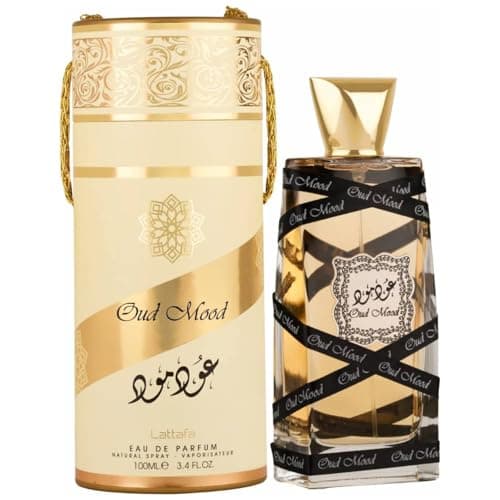
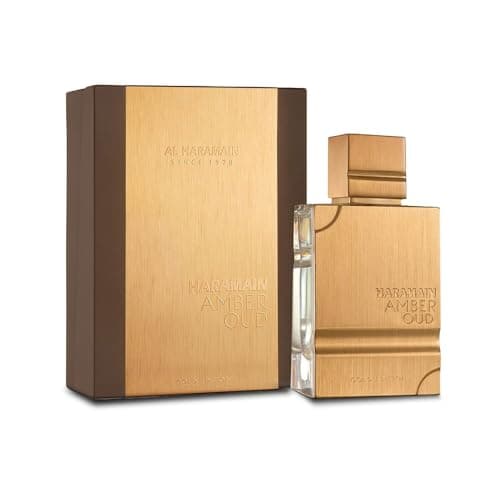
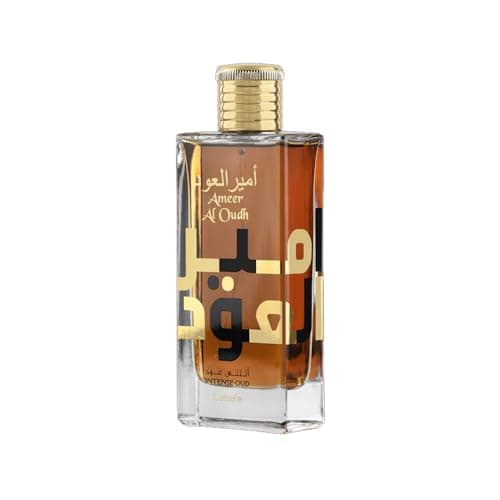
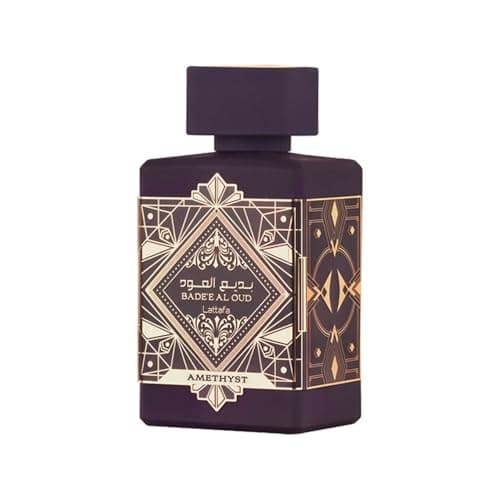
The four bottles below are picked to walk you from the most approachable reading of the accord to the most uncompromising, so you can find your own tolerance before spending real money. They are scored on oud character— how plainly the woody-resinous agarwood impression comes through — and approachability, which pull in opposite directions on purpose. That tension is the whole story of buying oud.
How to recognise oud when you smell it
Four markers, in the order they usually become obvious:
- Dry wood, not fresh wood.Cedar and pine read green and sappy. An oud accord reads like old, dark, dense wood — closer to a cigar box or antique furniture than to a forest.
- A balsamic, resinous sweetness. Not sugar. More like the sweetness of tree sap or church incense, sitting underneath the wood rather than on top of it.
- A leathery, faintly animalic edge. This is the marker that divides people. In small amounts it reads rich and skin-like; in larger amounts it reads barnyard, and the real material is far more animalic than any affordable accord.
- It clings to fabric. Oud accords are built from heavy base-note materials with very low volatility, so they last dramatically longer on a jacket than on skin, and they survive washing more than they should. Spray clothing at your own risk.
Buying advice that will save you money
Do not start at the top. The instinct with an expensive-sounding note is to buy the most serious version available. With oud that is backwards: the uncompromising accords are the ones newcomers dislike, and a thirty-dollar mistake here puts people off a whole category for years. Start soft, work inwards.
Treat every price-to-material claim sceptically. If a bottle is under a hundred dollars and its marketing implies real agarwood, the marketing is wrong. The honest brands in this segment describe an oud fragrance rather than an agarwood one, and the difference in wording is the whole difference in substance. Our view of the houses that do this well is in is Lattafa a good brand.
Buy by the pyramid, not the name. Apply case four from the list above: if oud is named in the base but the composition is dominated by florals or fruit with no other woody material anywhere, you are buying a word. That is fine if you like the fragrance; it is a problem if you bought it to smell oud.
Sample before you commit, always. Oud is the single most polarising register in mainstream fragrance and the one where a paper strip tells you least, because the animalic and balsamic markers only emerge after the drydown. Wear it for a day. The cheap ways to do that are in how to try cologne before buying.
Where to go next
If the woody-resinous part is what appealed, the neighbouring families are best woody colognes and best leather colognes, which share materials with oud accords and are easier to wear. If it was the warmth and sweetness, read what does amber smell like — amber is the accord most often paired with oud and the two get confused constantly. And if what you actually want is the whole Middle Eastern perfumery tradition rather than one note from it, the roundup is best Arabic colognes.