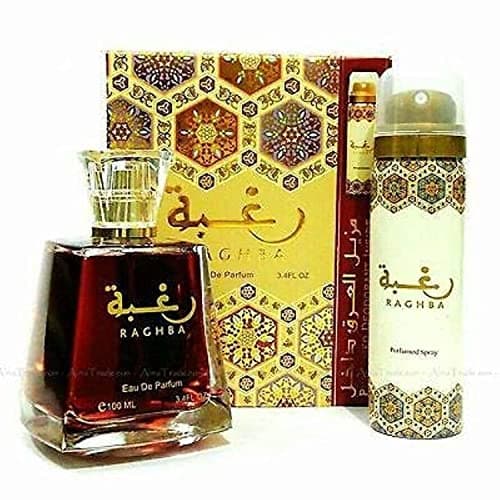
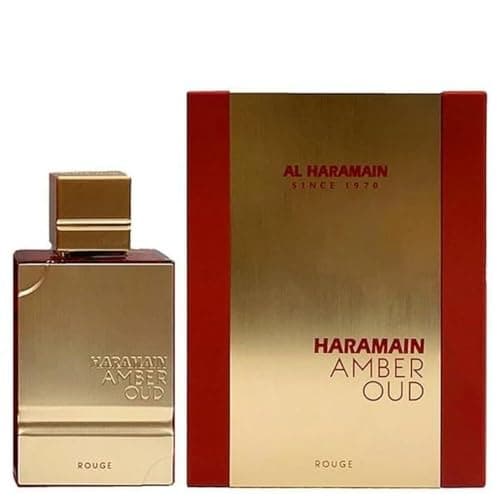
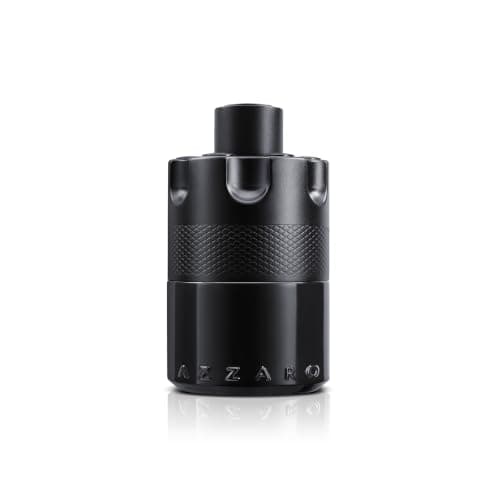
Amber smells warm, sweet, resinous and slightly powdery, with a balsamic depth that sits low and close to the skin and lasts for hours. The crucial thing to understand, and the reason descriptions of it vary so wildly, is that amber is not an ingredient. There is no amber plant, no amber oil and no amber extract. It is an accord— a blend that perfumers construct — which means every house's amber is a slightly different recipe, and all of them are entitled to the name.
That single fact resolves most of the confusion around this note. When two people disagree about whether amber smells sweet or dry, powdery or resinous, they are usually both right about different ambers.
What goes into an amber accord
The backbone is labdanum, a sticky resin from the rockrose shrub — Cistus ladanifer in the western Mediterranean and Cistus creticus in the east. Published material references call its odour very rich, complex and tenacious, with descriptors running through amber, sweet, woody, powdery, fruity, animalic, ambergris, dry musk and leathery. The reference literature is unambiguous about its role: labdanum is the main ingredient used when making the scent of amber in perfumery, as well as in chypre fragrances.
Around that backbone, a typical amber accord adds:
- Vanilla or vanillin, for the sweetness almost everyone notices first.
- Benzoin, a resin from styrax bark that smells close to vanilla and also works as a fixative, holding the whole thing to the skin.
- Other resins— myrrh, frankincense — for warmth and a faint incense character.
- Musks, for softness and staying power, which is where the powdery quality largely comes from.
- Tonka bean in many formulas, adding an almond-and-hay sweetness.
Change the proportions and you change the result completely. Heavy on vanilla and benzoin and you get the sweet, almost edible amber of modern gourmands. Heavy on labdanum and resins with the vanilla pulled back and you get the dry, dusty, incense-adjacent amber of classical perfumery. Both are amber.
Two things amber is not
It is not the fossil.The orange stone sold in jewellery is succinite, hardened tree resin tens of millions of years old. It is not used in perfumery, for the simple reason that it barely smells of anything — heated, it gives off a resinous pine character, nothing like the warm sweetness the word implies in a fragrance. The shared name is a coincidence of colour and association, not of material.
It is not ambergris.This is the more consequential confusion, because the two words share a root and the two notes genuinely do appear together. Ambergris is a waxy substance formed in the digestive system of sperm whales; amber is a plant-resin accord. Historically the names were linked, which is how the modern muddle started, but they smell quite different — ambergris is marine, earthy and animalic where amber is warm, sweet and powdery. We cover the other half of that pair in what does ambergris smell like.
A third near-miss worth naming: "amber" as a modern woody synthetic.A lot of contemporary fragrances describe an "amberwood" or "ambery" note that is really a woody-ambergris-type aroma chemical — ambroxan and its relatives — rather than a classical resin accord. It smells dry, mineral and clean rather than sweet and powdery. If a fresh modern designer bottle lists amber and smells nothing like what this page describes, that is why. The explainer is what is ambroxan.
How to recognise amber on your skin
Three markers, in the order they usually show up:
- Warmth without spice.Amber feels warm the way a wool coat feels warm — it is not the hot prickle of cinnamon or pepper. If the warmth has an edge to it, you are smelling spice sitting on top of amber rather than amber itself.
- Sweetness that is resinous rather than fruity. Closer to tree sap, honey or a church candle than to sugar or jam.
- A powdery, soft-focus finish. The musks blur the edges, which is why amber fragrances tend to read as comforting and why they sit so close to the skin in the last few hours.
It is also the most reliable long-haul note in perfumery. Resins and musks are heavy, slow-evaporating base materials, which is exactly why amber-led fragrances are the ones still faintly present the next morning — and why they are almost all cold-weather bottles.
The three picks below are not three versions of one thing. They are three different points on the dry-to-sweet axis described above, scored on amber clarity— how plainly the warm-resinous-powdery accord comes through rather than being used as a background — alongside scent, wearability, longevity and value. Wearability does a lot of work on this page, because amber is the family where good fragrances most often become the wrong choice for the room.
Reading an amber fragrance before you buy it
Because amber is an accord rather than a material, the note list will not tell you much on its own. What tells you a great deal is what amber is standing next to.
- Amber + vanilla, benzoin, tonka: a sweet, gourmand-leaning amber. Comforting, heavy, cold weather.
- Amber + labdanum, myrrh, frankincense, incense: a dry, resinous, classical amber. More austere, often more interesting, less immediately likable.
- Amber + patchouli, oakmoss, bergamot: you are looking at a chypre rather than an amber fragrance, and labdanum is doing a different job in it.
- Amber + cedar, ambroxan, "amberwood", in a fresh fragrance: this is the modern woody synthetic, not the resin accord. Expect dry and mineral, not warm and sweet.
How to wear it without overdoing it
Halve your dose. Resins and musks are heavy base materials that do not evaporate away, so an amber fragrance keeps working long after a citrus would have gone quiet. Whatever number of sprays you use with a fresh bottle, use fewer here. One spray of Raghba is a decision; two is an announcement.
Save it for cold air. Heat amplifies sweetness and accelerates projection, which is the specific thing an amber accord does not need help with. These are autumn and winter bottles, and the seasonal rankings are on best colognes for winter and best colognes for fall.
Spray skin, not clothing. Amber accords cling to fabric for days and survive more washing than they should. That is useful if you want a scarf to smell of it and a problem if you wanted your coat back.
Expect it to be the least office-friendly family you own. Of the three picks here, one is genuinely restaurant-safe and two are not, and that ratio is about right for the category. If you want warmth you can wear to work, look at best colognes for the office instead and accept a quieter bottle.
Where to go next
Amber sits at the centre of a cluster of related notes, and if you like it the neighbours are worth knowing. Oudis the woody-resinous note amber is most often paired with — half the bottles in our Arabic roundup are an amber-oud pairing. Vanilla is the sweet half of the accord on its own, and best sweet colognes is where the gourmand end of this family is ranked properly. For the material amber keeps getting confused with, read what does ambergris smell like.