Skip to content
Vetiver & Vale

Education · Guides

What is ambroxan?

One molecule explains why so much of the last decade smells the same. Here is what it is, where it comes from, and how to recognise it on your own skin.

By Stephen V.Updated Published How we review
#ad

We earn a commission when you buy through our Amazon links, at no extra cost to you. It never changes a verdict, and we say so when the cheaper product is the better buy. How this works.

Ambroxan is a single aroma material — chemically ambroxide, C16H28O — that smells warm, dry, woody, faintly musky and slightly salty, and it is responsible for the shared character of a very large share of men's fragrance released since about 2010. If you have ever thought that everything in the men's aisle smells vaguely like the same clean mineral woodiness, this molecule is the reason. It is a naturally occurring terpenoid and one of the key constituents responsible for the odour of ambergris, and the perfume industry makes it in bulk from clary sage.

Where it comes from

Ambergris is a substance produced in the digestive system of sperm whales and found washed ashore after long exposure to seawater and sun. For centuries it was one of the most valuable fixatives in perfumery — and it is now effectively unavailable to the industry for legal and ethical reasons. Ambroxide is the part of it that does most of the smelling work, and the modern route to it does not involve whales at all. It is derived from sclareol, a component of clary sage essential oil, through oxidative degradation to a lactone, hydrogenation to a diol, and dehydration. The result is sold under trade names you will see in industry writing: Ambrox (Firmenich), Ambrofix (Givaudan) and Ambroxan (Kao). The last of those is the name that escaped into consumer fragrance vocabulary, which is why note lists say ambroxan.

What it actually smells like

Published descriptors for it are: ambergris, sweet, labdanum, dry, woody, pine, cedar, green and seedy, with woody, musky and slightly salty nuances. In practice, on skin, most people perceive three things. It is dry— there is no sweetness or fruit in it at all. It is clean in a mineral way, which is why it gets described as salty or like warm stone. And it is very hard to place, because unlike lemon or vanilla it does not correspond to anything you eat or grow. That last property is commercially useful: a material nobody can name is a material nobody is bored of.

Why formulators use so much of it

Three reasons, and understanding them explains most of the modern men's market.

  • It is a fixative. It is used as both a base note and a fixative, meaning it slows the evaporation of lighter materials around it. A citrus top note on an ambroxan base lasts far longer than the same citrus alone.
  • It is enormously tenacious by itself. It keeps producing a clean, slightly salty brightness for hours, which is why a fragrance built on it reads as long-lasting even when the interesting part is long gone.
  • It is widely liked and rarely hated.Dry and non-sweet is the safest possible register for a mass-market men's fragrance. Nobody calls it cloying.

The cost of all that is sameness. When one material is this reliable, a generation of formulators reaches for it, and the result is a decade of fragrances with different openings and an identical second half. This is the honest explanation for the common complaint that modern men's cologne all smells alike — not laziness, but convergence on a material that works.

What to look for when you are buying

Ambroxan is not a flaw and a fragrance containing it is not a cheap fragrance — it is in some of the most expensive bottles on sale. What matters is how much of the composition it is carrying. Read the pyramid and count: if ambroxan or amberwood appears in the base alongside three or four other materials, it is doing fixative work and the fragrance has its own character. If the base is essentially ambroxan and a generic “woody notes”, you are buying one molecule with a decoration on top, and you should expect it to smell like a lot of other things you have met. Two practical tests before you commit: smell the bottle at the four-hour mark rather than at the counter, because that is when the ambroxan is all that is left; and if the opening is the only part you like, buy a decant rather than 100 ml. How to read a pyramid properly is covered in fragrance notes explained, and the testing routes are in how to try cologne before buying.

Where this molecule came from is worth one more page. Ambroxan is the synthetic form of ambroxide, which is produced by oxidising ambrein from ambergris — a sperm-whale digestive secretion that is illegal to trade in the United States, which is why the synthetic is what every bottle actually contains. The full account is in what does ambergris smell like.
The short answer

Quick picks

#ProductBest forScorePrice
01
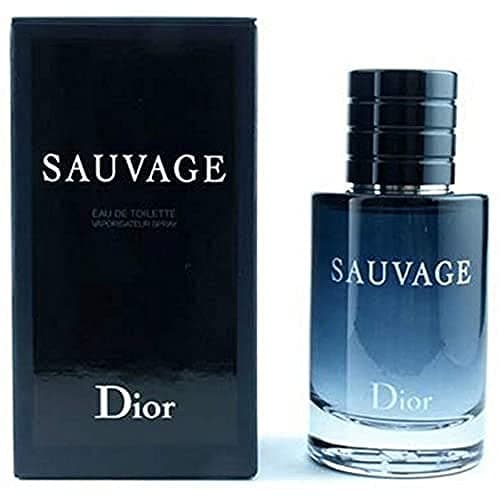
Dior Dior Sauvage
Dior Sauvage

The reference example. Bergamot and pepper over an ambroxan-led base - if you want to learn what this molecule smells like, smell this at hour four.

Best for learning the material
8.4
$134.50Amazon
02
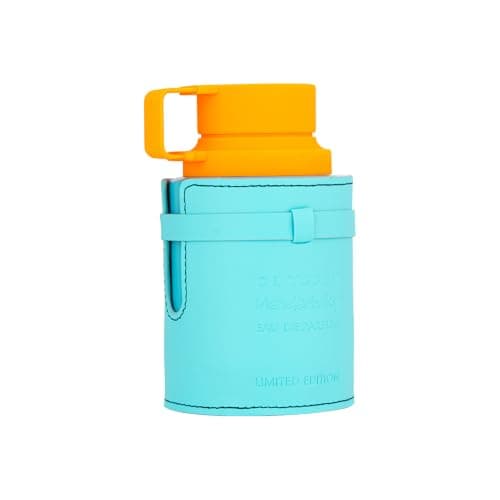
Armaf Armaf Odyssey Mandarin Sky
Armaf Odyssey Mandarin Sky

Ambroxan doing its other job. Here it is a fixative under real mandarin and caramel rather than the whole fragrance - the useful contrast to Sauvage.

Best example of ambroxan as a fixative
8.0
$24.99Amazon
03
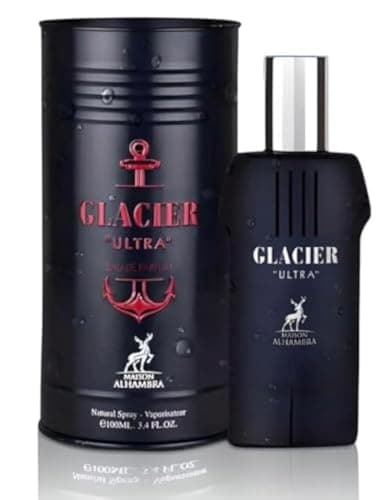
Maison Alhambra Maison Alhambra Glacier Ultra
Maison Alhambra Glacier Ultra

The cheap way to find out whether you like the register at all. Fifteen dollars, a full bottle, and the dry amber-woody character is unmistakable.

Cheapest way to test the register
7.4
$14.99Amazon

#ad · Live prices from the Amazon Product API, as of October 18, 2026. Where we have no verified live price, we show none — a gap beats a number that has rotted.

In detail

The picks, in full

01
Dior Dior Sauvage

Best for learning the material

Dior Sauvage

EDTFresh spicyCrowd-pleaserDesigner
8.4/10

The reference example. Bergamot and pepper over an ambroxan-led base - if you want to learn what this molecule smells like, smell this at hour four.

Teaching value
10
Scent
8
Longevity
9
Versatility
9
Value
6

Pros

  • The most ambroxan-forward mainstream fragrance ever released, and the one that taught the whole industry to use it this way
  • At the four-hour mark almost nothing else is left, which makes it the clearest possible teaching example
  • Genuinely versatile across seasons and settings despite the simplicity of its structure
  • By far the most documented fragrance in this category, so the evidence base is enormous

Cons

  • Divisive precisely because of this material - the complaint is almost always that it reads harsh or synthetic up close
  • So common that wearing it is itself a statement about not wanting to make one
  • Close to linear after the first hour, which is the direct consequence of leaning this hard on one molecule

Don't buy this if…

…you want a fragrance that develops over a wear, or you have already decided you dislike the dry mineral register

We recommend this specifically as the material's reference sample. Its pyramid has two citrus-adjacent notes up front and an ambroxan-cedar base, and the gap between the first ten minutes and hour four is the single clearest demonstration available of what this molecule does on skin. Once you can identify it here, you will find it in dozens of bottles you already own. Our full read is the Dior Sauvage review, and the value question is handled on is Dior Sauvage worth it.

$134.50View on Amazon

Price as of October 18, 2026. Prices change — Amazon's at checkout is the one that counts.

#ad · we may earn a commission from this link to Dior Sauvage

02
Armaf Armaf Odyssey Mandarin Sky

Best example of ambroxan as a fixative

Armaf Odyssey Mandarin Sky

EDP3.4 ozBright citrusClone house
8.0/10

Ambroxan doing its other job. Here it is a fixative under real mandarin and caramel rather than the whole fragrance - the useful contrast to Sauvage.

Teaching value
8
Scent
8
Longevity
8
Versatility
7
Value
9

Pros

  • Shows the material working as a support rather than as the subject, which is the distinction this guide exists to teach
  • Mandarin and orange lead the pyramid and survive for hours specifically because of what is underneath them
  • Caramel and tonka sit between the citrus and the ambroxan, so the fragrance has a middle rather than a gap
  • Full 3.4 oz eau de parfum at value-house money

Cons

  • Sweet, which the Sauvage is not - if you are trying to isolate the ambroxan, the caramel gets in the way
  • Noticeably worse in real heat than its bright citrus character suggests
  • Armaf's Odyssey line runs to more than thirty similarly named editions, several of which smell quite different

Don't buy this if…

…you dislike sweetness in a fresh fragrance, or you want the molecule unobscured

Put this next to the Sauvage and the lesson lands immediately. Both have ambroxan in the base; in one it is the fragrance and in the other it is the scaffolding that lets a volatile citrus top note survive into the afternoon. That is the whole difference between a composition built on one molecule and a composition using it properly, and it is the thing to look for when you read a base note list. It leads our citrus roundup for exactly this reason.

$24.99View on Amazon

$26.977% off

Price as of October 18, 2026. Prices change — Amazon's at checkout is the one that counts.

#ad · we may earn a commission from this link to Armaf Odyssey Mandarin Sky

03
Maison Alhambra Maison Alhambra Glacier Ultra

Cheapest way to test the register

Maison Alhambra Glacier Ultra

EDP3.4 ozTargets: Ultra MaleClone house
7.4/10

The cheap way to find out whether you like the register at all. Fifteen dollars, a full bottle, and the dry amber-woody character is unmistakable.

Teaching value
7
Scent
6
Longevity
7
Versatility
7
Value
10

Pros

  • The cheapest full-size bottle on this page by a wide margin, so finding out you dislike the dry woody-amber register costs very little
  • A clone-house composition in the modern amber-woody idiom, which is the family this material defines
  • Full 3.4 oz eau de parfum, so if you do like it you already own enough of it

Cons

  • Thin compared with either pick above - this is a demonstration bottle, not a destination
  • Much the shallowest evidence base here, with far fewer owner reports behind our scoring
  • Maison Alhambra's naming is close to other bottles in its own range and to the designer it targets, which makes ordering error-prone
  • No published batch-consistency commitment from the house

Don't buy this if…

…you want the best version of this character rather than the cheapest sample of it

Included for one narrow purpose: if the dry, mineral, non-sweet register this whole guide describes is new to you, fifteen dollars is a cheap way to establish whether you want it in your life before spending designer money. It is not as well made as either bottle above and we would not pretend otherwise. Treat it as a large sample. The house's wider range is covered in our Maison Alhambra roundup.

$14.99View on Amazon

Price as of October 18, 2026. Prices change — Amazon's at checkout is the one that counts.

#ad · we may earn a commission from this link to Maison Alhambra Glacier Ultra

How we picked

We did not lab-test this gear

Everyone in this category says they tested twenty products. We have not lab-tested any of these, and we say so. What we did instead: compiled the published specifications, decoded the ingredient (INCI) lists active by active, ran the math where there was math to run, and scored each product against a published rubric. The scores are judgments from documented research — not measurements we took, because we do not have a lab and we will not pretend we do. Where a number came from someone else's work, we name them in Sources.

Questions

Frequently asked

What does ambroxan smell like?
Dry, warm, woody and faintly salty, with a clean mineral quality and no sweetness at all. Published descriptors include ambergris, sweet, labdanum, dry, woody, pine, cedar, green and seedy, with woody, musky and slightly salty nuances. Most people find it hard to name because it does not correspond to a food or a plant the way lemon or vanilla does.
Is ambroxan natural or synthetic?
Both, depending on how you count. Ambroxide is a naturally occurring terpenoid and one of the key constituents responsible for the odour of ambergris. The material used in perfumery is manufactured, derived from sclareol in clary sage oil rather than taken from whales.
Is ambroxan the same as ambergris?
No. Ambergris is a complex substance of whale origin; ambroxide is one of the molecules in it that does most of the smelling. Perfumery uses the single molecule, made from clary sage, which is why a modern “amber” fragrance can smell convincing without any animal material in it.
Why do so many men's colognes smell the same?
Largely because of this molecule. It is tenacious, it is a good fixative, it is dry and almost nobody dislikes it, so a generation of formulators converged on it and built different openings over the same base. The second half of a lot of recent men's fragrance is more similar than the first ten minutes suggests — which is why we recommend smelling a bottle at hour four before buying it.
Is ambroxan bad for your skin?
It is a standard, widely used fine-fragrance material and is not known as a notable sensitiser. Fragrance allergy in general is real but is more commonly associated with other materials and with oxidised bottles than with this one. Our allergies and sensitivities guide covers what is actually documented, and how to store cologne explains the oxidation problem.

Keep reading

Receipts

Sources

We do not run a testing lab, and we do not pretend to. Where a measured number came from someone else's work, we name them and link them. Where we could not verify something, we say so on the page rather than quietly leaving it out. Read our full method.