Musk smells like two almost opposite things, and that is not a dodge — it is the actual answer, and it is why fragrance conversations about musk go in circles. The original animal material is animalistic, earthy and woody, often likened to the smell of a baby's skin, and it only becomes pleasant when heavily diluted. The synthetic in essentially every bottle you can legally buy — usually sold under the name white musk— smells clean, soft, soapy and warm, like laundry that has just come off the line.
Both are called musk on a note list. Neither label tells you which one you are buying. By the end of this page you will know which of the four chemical families you are actually smelling, why one of them is the literal reason clean laundry smells the way it does, and how to check the bottles already on your shelf.
Where musk came from — and why that matters
Natural musk is a glandular secretion from the male musk deer, a group of small deer in the family Moschidae native to Central, South and East Asia. The source is the musk pod: a preputial gland sitting in a pouch under the skin of the abdomen. Obtaining it in the wild has generally meant killing the animal in a trap. Dried, the paste inside becomes black musk grain, which is then tinctured in alcohol for perfumery use.
The word itself records how the material was understood. It reaches English from Late Greek moskhos, from Persian mushk, from the Sanskrit muṣka— meaning “testicle,” because the gland was thought to resemble a scrotum. Fragrance marketing has spent a century making “musky” sound romantic; the etymology is considerably more direct about what the stuff is.
Two consequences follow, and they explain the whole modern category. Natural musk became one of the most expensive animal products in the world, and trade in it is now controlled under CITES— though illegal poaching and trading continue. That combination of cost and conservation pressure is exactly why the industry moved on. If you want the parallel case on this site, our ambergris guide covers the other famous animal material whose synthetic replacement turned out to be the same molecule made in a factory.
What the real thing actually smells like
Reference descriptions of natural musk are unusually contradictory, which is itself informative: the consistent words are animalistic, earthy and woody, with the surprisingly common comparison to a baby's skin. The principal odor compound is muscone.
The detail that resolves the contradictions is dilution. Natural musk pleases only when heavily diluted. Concentrated, it reads as something closer to the animal it came from. Spread thin inside a composition, that same material becomes the warm, skin-like, slightly sweet depth people mean when they call a fragrance sensual. So “what does musk smell like” genuinely depends on how much of it is in front of your nose — a fact that holds for the synthetics too, and which is why over-applying a musk-heavy bottle goes wrong faster than over-applying a citrus one. Our guide to applying cologne covers the practical version of that.
Why your bottle contains a synthetic
Natural musk was used extensively until the late 19th century, when economic and ethical concerns pushed perfumery toward synthetic alternatives. Today nearly all musk used in perfumery is synthetic, and the industry's informal name for the resulting smell is white musk.
The first one was an accident. Albert Baur made the first artificial musk in 1888 while trying to develop a better form of TNT — he reacted toluene with isobutyl bromide over aluminum chloride, nitrated the product, and found it smelled of musk. The entire modern category of clean-smelling fragrance descends from a failed explosives experiment, which is the single best piece of trivia in perfumery.
The four families — and which one you are smelling
This is the part nobody explains, and it is the reason two people can sincerely disagree about what musk smells like. “Musk” on a note pyramid is a category, not a material, and the four families inside it smell different from each other.
| Family | Named examples | What it does and why it matters |
|---|
| Nitro musks (from 1888) | Musk xylene, musk ketone, musk ambrette | The originals, and the ones with a problem. They turned up in human and environmental samples, the debate over carcinogenic properties followed, and they were banned or reduced across many regions |
| Polycyclic musks | Galaxolide (IFF), Tonalide, Celestolide (IFF), Traseolide, Phantolide | The nitro-free replacements, and the reason “musk” means clean to most people today — see below |
| Macrocyclic musks | Exaltolide, Habanolide, Muscenone (Firmenich), Ethylene Brassylate, Musk T | Closest to the real thing, expected to replace the first two classes because they appear safer. Not commercially produced until the late 1990s |
| Alicyclic musks | Cyclomusk (1975), Helvetolide (1990), Romandolide | The newest family. Helvetolide reads fruity-musky; Romandolide, about a decade later, is more ambrette-like and less fruity |
Here is the fact that explains the modern meaning of the word. Galaxolide, a polycyclic musk, is used in laundry detergentsto mask the detergent's own chemical smell. That is not a coincidence or a cost-cutting measure in cheap fragrance — it is the mechanism. An entire generation learned the smell of “clean” from a musk molecule in a washing machine, and then met the same molecule in a fragrance and described it as fresh, soapy and comforting. When somebody says a cologne smells like clean laundry, they are usually being more chemically precise than they realize.
The macrocyclic family is the interesting one for anyone who wants the animalic reading back. Leopold Ruzicka synthesized muscone in very small quantities in 1926, but these musks were not produced commercially until the late 1990s— a seventy-year gap between knowing how and being able to afford to. They also occur in plants: Angelica archangelica and Abelmoschus moschatus both produce musky macrocyclic lactones, so a botanical musk is a real thing rather than a marketing claim.
One honest caveat on the environmental question, because it gets overstated in both directions. Synthetic musks are lipophilic, meaning they deposit and persist in fat tissue. Reference material describes the nitro and polycyclic families as poorly biodegradable and environmentally accumulating, but flags that claim as needing better citation, so we are reporting it as a stated concern rather than as settled fact. The direction of travel in the industry — toward the macrocyclics, on safety grounds — is not in dispute.
How to tell which musk is in your bottle
You mostly cannot, from the fragrance itself: a note pyramid that says “musk,” “white musk” or “mineral musk” is describing an effect, not naming a molecule, and perfume ingredient disclosure does not require the individual materials to be listed. Two things do work, though.
- Read the ingredient list on the non-perfume products you own.Household and personal-care products declare fragrance materials far more often than perfume does, and Galaxolide and ethylene brassylate appear by name on plenty of them. If you find one, smell it deliberately — that is your reference sample for the clean-musk end of the spectrum, and it cost you nothing.
- Use the era as a clue.A 1970s musk fragrance is reaching for the animalic reading; a late-1980s or 1990s “clean” designer scent is built on the polycyclic family; a modern bottle advertising a soft, expensive-feeling skin musk is more likely leaning on the macrocyclics and alicyclics, because those are what became affordable most recently.
And one practical note: if you own a musk-forward bottle that other people compliment but you struggle to smell on yourself, that is a common and well-documented frustration with this material rather than a fault in the fragrance. Our why can't I smell my cologne page covers what is going on and what to do about it.
What musk does in a fragrance
It is a fixative, and that is its oldest job.Musk has been used as a perfume fixative since ancient times, valued specifically for giving a composition long-lasting power — it holds lighter, faster materials to the skin instead of letting them evaporate off. Most of the musk in most fragrances is there for that reason and not to be smelled as a note.
It makes a fragrance smell like a person. The skin-like quality is why musk sits underneath so many fresh and floral compositions: without it they read thin and abstract, like scented air. With it they read warm and worn.
It survives on fabric. Low-volatility base materials last far longer on cloth than on skin, which is why musk-heavy bottles are the ones you can still catch on a coat the next day.
It is the most divisive note in perfumery, for a structural reason. Not because the material is bad, but because the word covers both the animalic and the laundry-clean ends of a very wide spectrum. Someone who says they hate musk may mean they hate dirty-smelling retro musks, or may mean they find soapy white musk boring. Those are opposite complaints, and knowing which one is yours is worth more than any recommendation on this page.
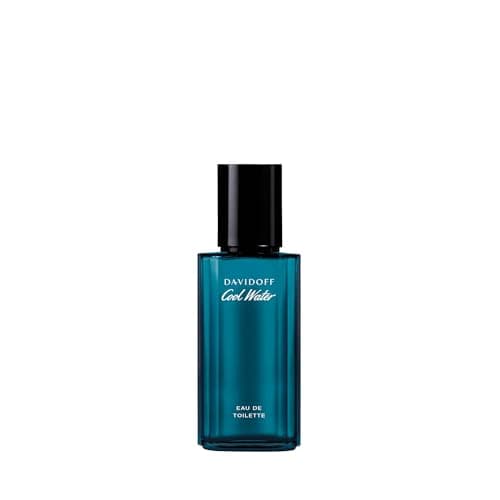
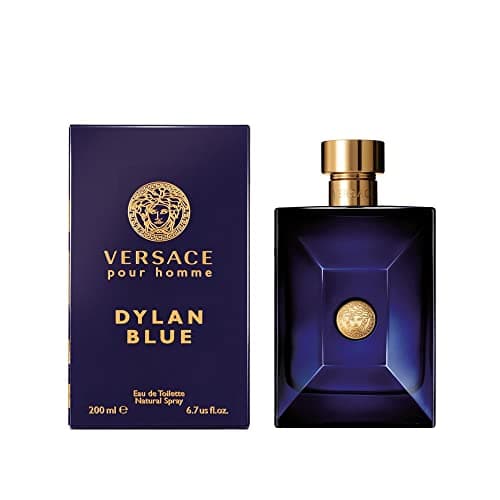
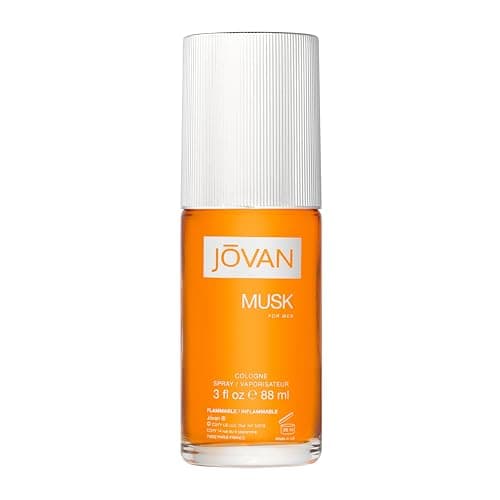
The three bottles below are ordered by musk legibility— how plainly you can pick the musk out as a thing you are smelling, rather than simply benefiting from it. That is deliberately notthe same as which fragrance is best: by our own scoring the best of the three is the one ranked last. If what you want is the commercial answer to “which musk cologne should I buy,” our best musk colognes roundup owns that question and ranks five picks properly. This page is about learning the smell.