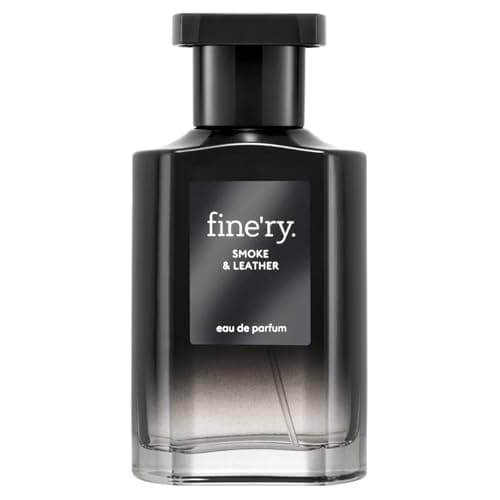
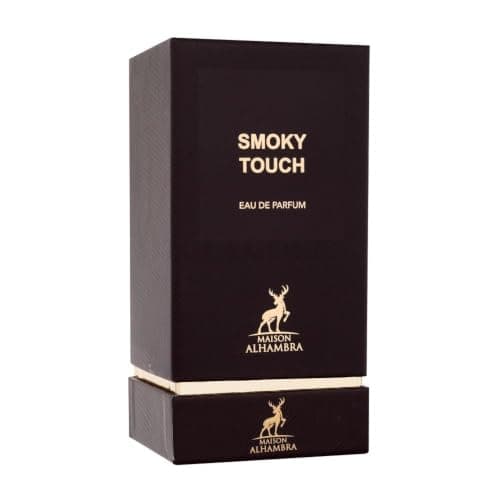
Buy Maison Alhambra Tobacco Touch. It carries the clearest, most recognizable tobacco accord of anything at or near its price, and it is the right first bottle for the reader who has smelled an expensive tobacco-vanilla fragrance and wants that smell without the three-figure receipt. If what you actually want is smokerather than sweet cured leaf — and a lot of people who search for this do — skip to Fine'ry Woody Smoke & Leather, because it is the only pick here pointed in that direction.
This is the seventh family roundup on the site, after vanilla, fresh, woody, spicy, sweet, citrus and leather. It is also the one where the single most useful thing we can tell you is a correction, so we are leading with it rather than burying it in a buyer's guide at the bottom.
Tobacco fragrance does not smell like a cigarette
This is the misconception that sends people away from the entire family before they have smelled any of it, and it is worth killing in one paragraph. The perfumery material called tobacco is tobacco leaf absolute, solvent-extracted from the cured leaf of Nicotiana tabacum. The trade descriptors for it are not what you would guess: the Good Scents Company lists it as sweet, hay, mossy, leafy, herbal, old wood, dried fruit, tea and honey, and the odor description it carries reads "brown, tobacco, sweet hay-like, leafy, herbal with a dried fruit nuance." There is no ash in that list and no burning in it either. Cured tobacco leaf is a sweet, hay-and-honey material, closer in character to tonka bean than to an ashtray, which is exactly why it ends up in the richest and most expensive fragrances in the category rather than the cheapest.
Burning is a separate thing. The smell of a lit cigarette comes from combustion, and nothing in a fragrance bottle is on fire. When a tobacco fragrance genuinely does smell smoky, the smoke is coming from other materialssitting next to the tobacco — guaiac wood, birch tar, cade, incense — the same smoky-material family we break down in best leather colognes, where the confusion is structurally identical.
So there are two tobaccos, and the bottle will not tell you which
Here is the division that decides whether you like a given bottle, and the mechanical way to read it off a pyramid before you buy.
Sweet tobacco. Tobacco absolute supported by vanilla, tonka, cacao, dried fruit, honey or booze. This is warm, dense, dessert-adjacent and the direction that made the note respectable in expensive perfumery. The diagnostic is simple: if the pyramid pairs tobacco with vanilla, tonka or cacao, it is a sweet tobacco. Two of the four picks below are this, and it is what most people searching for a tobacco fragrance turn out to want.
Smoky tobacco. Tobacco supported by guaiac wood, leather, incense or tar. Dry, resinous, a little harsh, and far more divisive in a shared room. The diagnostic: if the pyramid pairs tobacco with guaiac, leather, birch or incense and does not name vanilla, it is a smoky tobacco. One pick below is this, deliberately, because the two are not interchangeable and a list that pretended otherwise would be useless.
There is a third case worth naming so you can discount it: bottles where "tobacco" is a mood word on the marketing copy and the pyramid underneath is really spice, amber and woods with a trace of leaf. Those are not bad fragrances, they are just not tobacco fragrances, and the test above catches them.
An honest note on how thin this family is
We will say this before the picks rather than after them: tobacco is a short shelf. Good tobacco absolute is expensive, the accord needs supporting materials with real density to work, and the result is that the convincing tobacco fragrances cluster at the designer and niche end, while the value end offers a handful of competent bottles and a great many that only use the word. Four picks is what we can stand behind rather than a number we padded to look generous — there is no fifth bottle we would put our name to here, and inventing one would make the first four worth less.
Scored below on tobacco clarity— how plainly you can actually smell cured leaf rather than a general warm sweetness — weighted hardest, then scent, wearability, longevity and value. Wearability matters more in this family than in most, because every bottle here is a cold-weather proposition and three of the four are genuinely too much for a shared office at any dose.
Reading a tobacco pyramid in ten seconds
You do not need to smell a fragrance to know which of the two tobaccos it is. Find the note list, ignore the top notes entirely, and look at what sits immediately beside tobacco in the heart and base. Vanilla, tonka, cacao, honey, dried fruit or rum means sweet tobacco. Guaiac, leather, birch, cade, incense or vetiver means smoky tobacco. Both named, with vanilla listed first, usually means sweet with a smoky edge — which is the most expensive and best-liked version of the idea and also the one the value segment imitates least convincingly.
Two things that are notreliable signals. The first is the word tobacco in the product name, which is marketing rather than formulation — one of the picks above has been renamed by its own retailer and is the same liquid either way. The second is the colour of the bottle. Brown glass sells tobacco fragrances and tells you nothing about what is inside them.
How to wear a tobacco fragrance without getting it wrong
Season it properly.Every bottle on this page is a cold-weather fragrance, and not for the vague reason people usually give. Heat accelerates evaporation, so a dense sweet-resinous accord that reads as warm and comforting at 40°F reads as cloying and syrupy at 85°F. This is the one family where the seasonal advice is mechanical rather than aesthetic. Our best winter colognes page is the wider ranking for that brief.
Halve your usual dose.Three of the four picks here are eau de parfum and all four are dense. Two sprays is a dose and four is a decision other people have to live with. If you are coming to this family from fresh aquatics, the dose you are used to will be roughly twice what these need — the full rules are in how to apply cologne.
Do not make it your office bottle.Sweet tobacco is heavy in a shared room and smoky tobacco is worse. This family is for evenings, cold afternoons outdoors, and anywhere the air moves. If you need one bottle that covers the working day instead, that is a different shelf — see best colognes for the office.
What we left off, and why
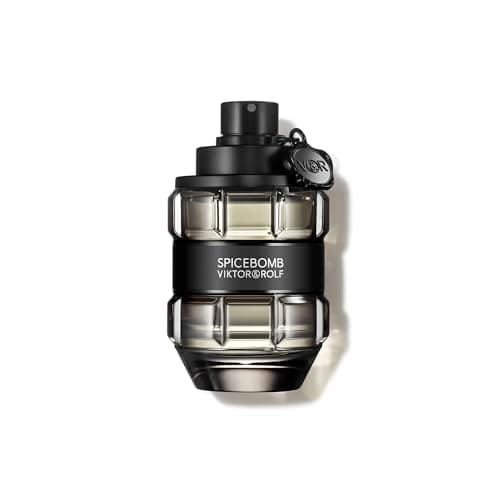
Two kinds of bottle did not make the cut. The first is the set of fragrances whose marketing names tobacco but whose pyramids are really amber, spice and woods — they fail the test at the top of this page, and including them would have made the page longer and less true. The second is the expensive end. The most admired tobacco fragrances in the category are niche or near-niche, and several of the most famous are not sold through the channel we link, so we have no verified live listing and therefore no price to show you. We would rather name that gap than fill it with a bottle we cannot price. Where a designer reference does have a live listing, it is on this page — that is what Spicebomb is doing at number three.
If this family turns out not to be for you, the two nearest shelves are best sweet colognes if the appeal was the warmth, and best spicy colognes if it was the cinnamon and pepper in the Spicebomb opening.